Install sturdy support
Provide a strong trellis, wire frame, or fence and gently tie new canes with soft ties so the long, scrambling stems are held off the ground and fruits stay cleaner and easier to harvest.

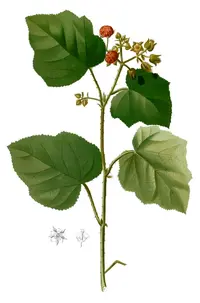
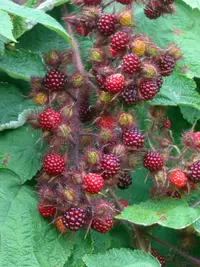
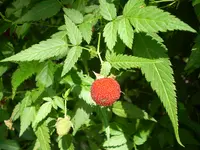
Eelkek (Rubus moluccanus), often called the Molucca raspberry, is a scrambling, thorny shrub in the rose family that produces soft, edible berries. It typically forms dense thickets with arching canes and broad, textured leaves, giving it a wild, bramble-like appearance.
This species is native to tropical and subtropical regions of Asia and Australia, where it grows in forest edges, clearings, and along disturbed slopes. It spreads readily by canes and seed, so it can become vigorous in suitable climates.
Eelkek is generally easy to grow where winters are mild, as long as it receives good light, consistent moisture, and well-drained soil. Understanding how to care for eelkek mainly involves managing its growth and spread while supporting healthy fruiting.

Care Difficulty
Moderate Care

Light Preference
Partial Shade

Water Requirements
Regular Water

Temperature Preference
Warm Climate

Hardiness Zone
9–12

Soil Texture
Loamy, Sandy, Organic-rich

Soil pH
Acidic (5.5–6.5), Slightly acidic (6.5–7.0)

Soil Drainage
Moist but well-drained

Fertilization
Minimal (feed rarely)
Scan your plant to receive care tips personalized for your specific plant
Available on iOS and Android
This scrambling shrub prefers bright, gentle light that mimics an open forest edge.
This species needs consistently moist but not waterlogged soil for healthy growth and fruiting.
This plant favors mild, frost-free conditions typical of warm temperate to subtropical climates.
This species prefers moderate humidity and only needs extra moisture in very dry conditions.
Rubus moluccanus benefits from loose, fertile, consistently moist soil with strong drainage.
This species can be grown in containers, but it requires careful setup to support its vigorous, scrambling habit.
Rubus moluccanus responds well to moderate feeding but does not need heavy fertilization for healthy growth.
Thoughtful pruning keeps Rubus moluccanus productive, manageable, and healthier.
This species is more often transplanted in the ground than kept long term in containers.
Rubus moluccanus is commonly multiplied by layering, division, and softwood cuttings.
This bramble is moderately cold tolerant but benefits from basic winter preparation in cooler climates.

Plant Health Check
Not sure what's wrong with your plant? Check your plant's health inside the app.
This species is naturally distributed from India through Southeast Asia to northern and eastern Australia, where it typically grows in moist forests, forest edges, and disturbed clearings.
Its bright red, soft fruits are readily eaten by birds, which then disperse the seeds over long distances and help the plant colonize new forest gaps and road edges.
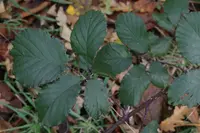
Leaves on a single plant can vary from shallowly lobed to strongly 3–5-lobed, and both surfaces are covered with fine hairs that give them a slightly felted texture.

In parts of its native range, especially in eastern Australia, this vigorous scrambling shrub can form dense thickets that are valued by small native animals as protective habitat while at the same time being monitored for its potential to smother young trees in regenerating forest areas.
This species spreads by arching canes and underground suckers, so it can form dense thickets over time. Regular pruning and root barrier edging help keep it contained and prevent unwanted spread into nearby beds or lawn.
Keep your plants happy and healthy with plant identification, disease detection, and easy care guidance.