Railway Bramble Care (Rubus elegantispinosus)

Railway Bramble

About Railway Bramble

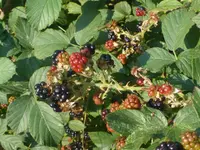
Railway bramble (Rubus elegantispinosus) is a deciduous shrub in the rose family, related to blackberries and raspberries. It forms arching, often scrambling canes with slender, elegant spines. Leaves are typically divided and medium green, and the plant produces small white to pale pink flowers followed by aggregate fruits. It tends to grow in open, disturbed sites such as embankments and edges, which explains its common name. This species is generally vigorous and resilient, though its spines and spreading habit can make it somewhat challenging to control in small gardens. Those who want to care for Railway Bramble should allow room for its canes and provide moderately fertile, well-drained soil.

Main Plant Requirements

Care Difficulty

Moderate Care

Light Preference

Full Sun

Water Requirements

Moderate Water

Temperature Preference

Cold Hardy

Hardiness Zone

5–8

Soil Texture

Sandy, Loamy, Organic-rich

Soil pH

Acidic (5.5–6.5), Slightly acidic (6.5–7.0)

Soil Drainage

Moist but well-drained

Fertilization

Minimal (feed rarely)

Get Personalized Care Plan

Scan your plant to receive care tips personalized for your specific plant

Available on iOS and Android

How to Care for the Railway Bramble

This thorny bramble prefers bright, cool conditions with a mix of sun and light shade.

  • Provide 4–6 hours of direct morning sun with light or dappled shade from early afternoon to prevent leaf scorch.
  • Tolerates partial shade, but stems may elongate and flowering can decrease if direct sun drops below about 3 hours per day.
  • In hot summers, especially in the southern US, give Railway Bramble protection from intense sun between 1–4 p.m. to reduce heat stress and wilting.

This species prefers consistently moist but not saturated soil, especially during its active growing season.

  • Allow the top 3–5 cm of soil to dry slightly between waterings, then water deeply so moisture reaches the root zone without leaving standing water.
  • During spring and summer, monitor after warm, windy days; drooping new growth and dry topsoil indicate the need for a thorough soak.
  • In autumn and winter, reduce watering as growth slows, watching for yellowing, soft stems (overwatering) or crisp leaf edges and shriveling canes (underwatering) in Rubus elegantispinosus.

This hardy bramble tolerates a wide temperature range but grows best in mild conditions.

  • Optimal growth occurs around 60–75°F (16–24°C), supporting strong shoot extension and flowering during spring and early summer.
  • Mature plants withstand winter down to about 0°F (-18°C) once established, though young plants benefit from mulch to buffer freeze–thaw cycles.
  • In hot regions, growth slows above 86°F (30°C); provide afternoon shade and mulch to keep roots cooler during peak summer heat.

This bramble prefers moderate outdoor humidity and usually does not need special humidity control.

  • Aim for ambient humidity around 40–60% typical of most temperate gardens, as Railway Bramble tolerates minor fluctuations.
  • Plants handle short dry spells, but prolonged hot, very dry air can cause leaf edges to crisp and new growth to stall.
  • If air is very dry, reduce stress by mulching the root zone to stabilize soil moisture and reduce transpiration demand.

This species grows best in loose, fertile, well‑drained but moisture‑retentive soil.

  • Use a loamy structure with plenty of organic matter, such as garden loam mixed with 30–40% compost or well‑rotted manure.
  • Ensure drainage is free but not extreme; avoid compacted clay and waterlogged spots that suffocate roots and promote rot.
  • Target a slightly acidic to neutral pH of about 6.0–7.0, which suits Rubus elegantispinosus and supports nutrient availability.
  • Improve aeration and drainage by incorporating coarse sand or fine bark into heavy soils and avoiding planting in low, boggy areas.

This species can be grown in containers if the pot is large and stable enough for its vigorous, arching canes.

  • Choose a deep, wide container to provide extensive root run and reduce the risk of the plant becoming root‑bound too quickly.
  • Select a heavy material such as ceramic or thick terracotta to add stability against wind and the leverage of long canes.
  • Raise the pot on feet or bricks so drainage holes stay clear, allowing rapid runoff after rain and preventing chronic soggy bottoms.

This vigorous bramble usually thrives in average garden soil, but light feeding supports better fruiting and growth during the active season.

  • Apply a balanced granular or slow-release fertilizer (around 10-10-10) at 1/2 label rate in early spring as new shoots emerge.
  • Supplement with a thin layer of well-rotted compost around the root zone once per year to improve soil structure and nutrition.
  • If additional feeding is desired, use a diluted (1/2 strength) balanced liquid feed every 4–6 weeks during active growth only.
  • Stop feeding Railway Bramble in late summer so shoots harden before winter and avoid fertilizing during dormancy.

Pruning Rubus elegantispinosus is important for controlling spread, renewing fruiting wood, and maintaining plant health.

  • Carry out main pruning in late winter to early spring before buds break, when canes are easy to see and handle.
  • Remove all dead, diseased, damaged, or crossing canes at ground level using sharp, clean bypass pruners or loppers.
  • Thin crowded areas by cutting out some of the oldest fruited canes to encourage strong new replacement shoots.
  • Lightly shorten overly long, vigorous canes in the growing season to manage shape and keep growth within its allotted space.

This bramble is usually grown in the ground, so transplanting is more common than container repotting.

  • Plan transplanting for late fall or very early spring when the plant is dormant and soil is workable.
  • Move established plants only when growth declines, roots circle a container, or the clump outgrows its allotted space.
  • Dig a wide root ball, keep as much soil attached as possible, and replant at the same depth in well-drained ground.
  • Water thoroughly after transplanting, then keep soil evenly moist and add organic mulch to limit root stress and moisture loss.

Rubus elegantispinosus is commonly propagated to expand plantings or renew older stands.

  • Use tip layering in spring to midsummer by pegging a flexible cane tip into moist soil until roots form, then detach.
  • Divide young clumps in early spring or late fall, ensuring each division has several healthy buds and roots.
  • Take semi-ripe stem cuttings in early summer, root them in a free-draining mix, and maintain high humidity with bright, indirect light.
  • Sow fresh seed outdoors in fall or after cold stratification, as cool moist conditions improve germination of the hard seed coat.

This bramble is generally cold hardy in temperate climates and usually needs only basic winter care.

  • Apply a 5–8 cm layer of organic mulch around the root zone in late fall to buffer freeze–thaw cycles.
  • In very cold or exposed sites, tie canes loosely together and, if necessary, use a breathable fabric to limit wind desiccation.
  • For container-grown plants, move pots to a sheltered, unheated but frost-sheltered spot and prevent the root ball from drying out completely.

Care Tips

Install sturdy supports

Set up strong wires, trellis, or tensioned fence lines before planting so new canes can be tied in loosely as they grow, which keeps the plant off the ground and reduces fruit rot and disease spread.


Train by cane age

Mark first-year and second-year canes with different colored ties, then tie first-year canes to one side of the support and second-year fruiting canes to the other to simplify pruning and harvesting.

Mulch for cane safety

Apply a 5–8 cm layer of coarse organic mulch in a wide band along the row to keep roots cool, reduce weed competition, and prevent soil splash that can spread fungal spores onto low canes and leaves.

Targeted pest scouting

Inspect the undersides of leaves and fruit clusters weekly during active growth, focusing on tender shoot tips, and remove early infestations of aphids or cane borers by hand or with a directed spray before they spread through the thicket.

Post-harvest sanitation

Right after the main harvest, cut spent fruiting canes at ground level, remove fallen fruit and prunings from the area, and dispose of them away from the planting to lower overwintering disease and pest pressure when caring for Railway Bramble.

Common Pests and Diseases

Raspberry beetle

This pest feeds on flowers and developing fruits, causing misshapen, dry, or wormy berries. Symptoms include small brown larvae inside fruits and premature fruit drop.

Solution

Remove and destroy infested fruits promptly to break the life cycle, and keep the area under plants clean of fallen berries. In home gardens, use fine mesh or insect-proof netting over plants during flowering and early fruit set, and encourage beneficial predators by maintaining plant diversity around the planting area.

Spur blight

This disease causes brown to purplish lesions on canes, especially around leaf joints, leading to weakened shoots and reduced fruiting. Symptoms include premature yellowing and drop of leaves on affected canes.

Solution

Prune out and dispose of affected canes in late winter or early spring, cutting well below visible lesions, and thin plants to improve air movement. Avoid overhead watering, keep foliage dry when possible, and rotate plantings if infections become severe as part of overall Rubus elegantispinosus care.

Verticillium wilt

This disease lives in the soil and blocks water movement in the plant, leading to wilting, stunted growth, and branch dieback, often starting on one side of the plant. Symptoms include dull, off‑green foliage that turns yellow and scorched at the margins.

Solution

Remove and destroy severely affected plants including as much root as possible, and do not replant Rubus species or other susceptible crops in the same spot for several years. Plant in well-drained soil, avoid water stress, and keep plants vigorous with proper spacing and balanced fertilization to reduce susceptibility.

Cane blight

This disease enters through wounds on the canes, causing sunken, dark lesions and sudden wilting of young shoots above the infected area. Symptoms include brittle, cracked bark and dieback from pruning cuts or mechanical damage points.

Solution

Prune during dry weather, make clean cuts, and remove and destroy infected canes as soon as symptoms appear. Disinfect pruning tools between plants, reduce injury from tying or training, and maintain open spacing to promote rapid drying of canes after rain.

Two-spotted spider mite

This pest sucks sap from leaf undersides, causing fine stippling, bronzing, and eventual leaf drop, especially in hot, dry conditions. Symptoms include fine webbing between leaves and stems in heavier infestations.

Solution

Spray foliage thoroughly with a strong stream of water to dislodge mites, focusing on leaf undersides, and repeat regularly during hot weather. Increase local humidity if feasible, remove heavily infested leaves, and use insecticidal soap or horticultural oil labeled for mites, applied in the evening to avoid leaf scorch.

Interesting Facts

Asian railway specialist

This bramble is native to eastern China and is strongly associated with disturbed, stony habitats such as railway embankments and rocky slopes, where it can quickly colonize open ground.

Elegant armature pattern

It is notable for its particularly slender and evenly spaced prickles, which inspired the name elegantispinosus and give the canes a more refined appearance compared with many other Rubus species.

Narrow ecological niche

In the wild it shows a preference for full-sun, well-drained, often nutrient-poor substrates, making it more frequent along human-made corridors than in closed forest habitats.

FAQs about Railway Bramble

The berries are edible when fully ripe and are used fresh, in jams, or baked goods. Flavor is similar to other brambles, though often sharper. Avoid eating unripe fruit and tough, thorny stems.

Grow Healthy Plants with Botan Care

Keep your plants happy and healthy with plant identification, disease detection, and easy care guidance.

Botan plant care app — identify plants on mobile

Explore More Plants