White-stemmed Bramble Care (Rubus cockburnianus)

White-stemmed Bramble

About White-stemmed Bramble

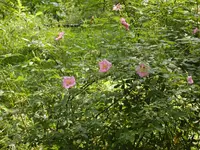
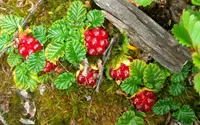
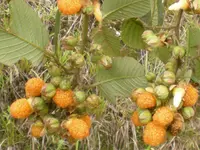
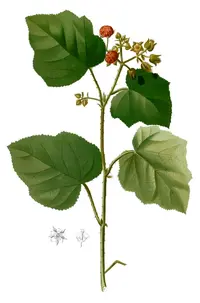
White-stemmed bramble (Rubus cockburnianus) is a deciduous, thicket-forming shrub grown mainly for its striking white winter stems and dense, arching canes. In summer it carries small, pinkish flowers followed by dark berries that attract wildlife, while the bare branches provide strong structure in colder months.

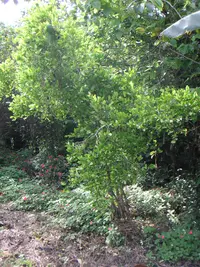
This species is native to China and is often used in temperate gardens as a background shrub or winter feature. It is generally robust and fast-growing, but the vigorous suckering habit and prickly stems mean it needs space and some pruning, which slightly increases maintenance.

It prefers sun to light shade and moderately moist, well-drained soil, so care for White-stemmed Bramble focuses on giving it room and managing its spread.

Main Plant Requirements

Care Difficulty

Easy Care

Light Preference

Full Sun

Water Requirements

Moderate Water

Temperature Preference

Cold Hardy

Hardiness Zone

5–8

Soil Texture

Loamy, Clay, Organic-rich

Soil pH

Acidic (5.5–6.5), Slightly acidic (6.5–7.0)

Soil Drainage

Moist but well-drained

Fertilization

Minimal (feed rarely)

Get Personalized Care Plan

Scan your plant to receive care tips personalized for your specific plant

Available on iOS and Android

How to Care for the White-stemmed Bramble

This deciduous bramble thrives in full sun but accepts light shade, especially in warmer regions.

  • Aim for 6–8 hours of direct sun daily; in hot summers, afternoon shade reduces leaf scorch and stress.
  • White-stemmed Bramble tolerates partial shade (around 4–5 hours sun), but stems are less bright and flowering may decline slightly.
  • In winter, bare stems benefit from unobstructed light, so avoid planting under dense evergreen canopies that block low seasonal sun.

This shrub prefers consistently moist, well-drained soil rather than alternating drought and saturation.

  • Allow the top 3–5 cm of soil to dry slightly between waterings, then soak the root zone deeply instead of giving light, frequent splashes.
  • In the first 1–2 growing seasons, check soil after warm, dry spells; mature Rubus cockburnianus tolerates short dry periods once established.
  • Watch for wilting, dull leaves, and dry, crumbly soil as signs of underwatering; yellowing foliage and soggy soil indicate poor drainage or excess water.

This hardy bramble tolerates cold winters and grows best in cool to mild summer conditions.

  • Active growth is strongest around 60–75°F (16–24°C), with flowers and new canes forming well in this range.
  • The plant is cold hardy to about -10°F (-23°C) or lower once established, so typical frosts and snow in many temperate climates are not a problem.
  • In hot regions, brief heat up to 90–95°F (32–35°C) is tolerated if soil remains moist and roots are mulched to limit temperature stress.

Humidity is rarely a concern for Rubus cockburnianus in typical outdoor conditions.

Rubus cockburnianus grows best in moist, well-drained, moderately fertile ground.

  • Use a loamy soil with a mix of mineral particles and organic matter to support deep, fibrous roots.
  • Aim for slightly acidic to neutral pH, roughly 6.0–7.0, to optimize nutrient availability.
  • In heavy clay, improve structure and drainage by working in compost plus coarse sand or fine gravel before planting.
  • Avoid waterlogged, compacted, or very shallow soils, which increase root disease risk and reduce vigor.

This species can be grown in containers, but it needs careful management due to its vigorous, suckering habit.

  • Choose a broad, heavy container to reduce tipping as canes lengthen and catch wind.
  • Select a deep pot that allows a thick root mass while still leaving space to add mulch on top for moisture moderation.
  • Use a sturdy trellis or support fixed into the container to keep arching canes controlled and prevent wind rock at the root zone.

This shrub grows well in average garden soil and needs only modest feeding for healthy stems and foliage.

  • Apply a light layer of garden compost or well-rotted manure around the root zone in early spring for White-stemmed Bramble.
  • Use a balanced slow-release fertilizer (around 10-10-10) once in spring if growth or cane color seems weak.
  • Keep fertilizer strength low; use about half the label rate to avoid forcing soft, weak growth.
  • Do not feed in late fall or winter, when the plant is dormant and nutrient uptake is minimal.

Pruning is important for maintaining Rubus cockburnianus structure, winter stem display, and controlled spread.

  • Cut out dead, damaged, or diseased canes at ground level in late winter or very early spring.
  • Remove 1–3 of the oldest, darkest canes annually to encourage bright new white stems.
  • Thin crowded growth to open the center, improving air flow and reducing disease risk.
  • Use sharp loppers or pruning saws for older canes, making clean cuts close to the base.

This vigorous bramble is usually grown in the ground and only occasionally kept long-term in containers.

  • Transplant young plants in early spring or early fall, when soil is moist and temperatures are mild.
  • Move container plants when roots circle the pot, drainage is poor, or growth slows despite good care.
  • Loosen and slightly tease apart outer roots before planting into a wider hole with well-drained soil.
  • Water deeply after transplanting, then keep soil evenly moist for 2–3 weeks to reduce transplant stress.

Rubus cockburnianus is commonly propagated for landscape use through vegetative methods that match its natural growth habit.

  • Use simple layering in spring or early summer, pegging a flexible cane to moist soil until roots form.
  • Take semi-ripe cuttings in mid to late summer, using a rooting hormone and a free-draining, moist medium.
  • Divide young, vigorous clumps in early spring, replanting divisions promptly at the same depth.
  • Sow stratified seed in containers outdoors, accepting variable germination and greater genetic variation.

This bramble is very cold hardy in most temperate gardens and usually needs minimal winter care.

  • Tolerates hard frost once established, with woody canes surviving typical winter lows in many regions.
  • Apply a 5–8 cm organic mulch around the root zone in late fall, keeping it clear of the stems.
  • For container plants, move pots to a sheltered, unheated area to prevent root freeze-thaw damage.

Care Tips

Encourage Winter Stems

Cut back 1–2 year old canes hard in late winter to ground level so that new shoots with the brightest white stems develop for the following cold season.

Use Thickets As Screens

Plant in a staggered double row and allow some canes to arch naturally to form a dense, wildlife-friendly barrier that functions as a living privacy screen.

Manage Suckering Spread

Once a year, slice vertically with a spade around the clump at the desired boundary line to sever outward-running suckers and prevent the plant from invading nearby beds or lawn.

Underplant For Contrast

Combine this shrub with low evergreen groundcovers or winter-interest perennials to highlight the white stems and to suppress competing weeds around the base of the plant.

Safe Cane Handling

Wear thick gloves and long sleeves when removing old canes, and bundle prunings with string or garden twine before disposal to keep thorns from catching on skin, clothing, or tools while caring for White-stemmed Bramble.

Common Pests and Diseases

Raspberry beetle

This pest feeds on developing flowers and fruit, causing misshapen berries with dry, brown patches and small tunnels inside. Symptoms include poor fruit set and crumbly, damaged drupelets on canes of Rubus species.

Solution

Collect and destroy damaged fruit to reduce larvae numbers, and prune after fruiting to remove overwintering sites. In gardens, use fine mesh or fleece over plants at flowering time to exclude adults, and consider applying a targeted spinosad-based spray right after petal fall if damage is consistently severe.

Raspberry cane borer

This insect bores into young canes, leading to wilting shoot tips and characteristic double-ring girdling marks on stems. Affected tips often droop and die back above the damage point.

Solution

Cut off and destroy wilted shoot tips 5–8 cm below the lowest girdling ring as soon as symptoms appear to remove larvae. Maintain a dense, well-pruned stand with timely removal of spent canes to reduce breeding sites and monitor new growth regularly during late spring and early summer.

Raspberry cane blight

This disease causes sunken, dark lesions on canes, often starting at pruning wounds, followed by sudden wilting and dieback of laterals. Symptoms include rough, cracked bark and canes that fail to leaf out the following season.

Solution

Prune only in dry weather, making clean cuts just above buds, and promptly remove and destroy infected canes. Improve airflow by thinning crowded stems, avoid overhead watering, and apply a copper-based fungicide to pruning wounds where cane blight has been a recurring problem.

Raspberry leaf spot

This disease produces small purple spots on leaves that turn pale gray at the center, leading to premature leaf drop in humid conditions. Over time, heavily affected foliage thins out and weakens the plant, reducing the ornamental value of white winter stems.

Solution

Rake and discard fallen leaves, and thin canes to allow better air movement through the clump. Avoid wetting foliage, water at soil level, and if the problem recurs each year, apply a labeled fungicide containing chlorothalonil or copper early in the season when new leaves emerge.

Aphids

These insects gather on tender shoot tips and leaf undersides, sucking sap and causing curling, distorted foliage and sticky honeydew that can promote sooty mold. Heavy infestations can weaken new canes and reduce flower and fruit quality when you grow Rubus cockburnianus in ornamental borders.

Solution

Spray colonies off with a strong stream of water, then treat remaining clusters with insecticidal soap or horticultural oil, ensuring full coverage of leaf undersides. Encourage natural predators such as lady beetles, avoid high-nitrogen fertilizers that push very soft growth, and remove heavily infested shoot tips if numbers stay high.

Interesting Facts

Ghostly winter stems

This species is known for its striking white, glaucous winter stems that stand out strongly against dark soil or evergreen backgrounds, providing ornamental structure when most shrubs are bare and dull.

Dense wildlife thickets

It forms vigorous, suckering thickets that offer dense cover and nesting habitat for birds while also producing summer berries that feed wildlife, even though the fruit is usually considered of low eating quality for humans.

Chinese riverbank origin

The plant is native to central and western China, where it naturally occupies woodland edges and riverbanks, which explains its tolerance of cool winters and moist but well-drained soils in cultivation.

Botan icon

Did you know?

This bramble was introduced to Western horticulture in the early 20th century primarily as a winter ornamental shrub, because its white stems were regarded as one of the most effective natural ways to create contrast and structure in cold-season gardens across Europe and later North America.

FAQs about White-stemmed Bramble

This species spreads strongly by arching canes and suckering roots, forming dense thickets if unchecked. Use root barriers, regular pruning, and removal of unwanted shoots to keep it within bounds, especially in smaller gardens.

Grow Healthy Plants with Botan Care

Keep your plants happy and healthy with plant identification, disease detection, and easy care guidance.

Botan plant care app — identify plants on mobile

Explore More Plants