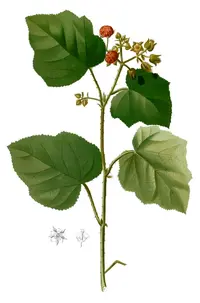
shortfruit willow Care (Salix brachycarpa)

Also known as: Short-fruited Willow
shortfruit willow

About shortfruit willow

Shortfruit willow, Salix brachycarpa, is a low, shrubby willow native to cold, high-elevation regions of North America. It often forms dense thickets in alpine meadows and along mountain streams.

Plants typically stay compact, with many short branches, small rounded leaves, and fuzzy catkins that appear in spring. The overall look is more like a cushion or small mound than a tree.

This species is adapted to harsh climates, poor rocky soils, and strong winds, which makes it tough but also sensitive to heat and drought. It prefers full sun, cool temperatures, and consistently moist, well-drained soil. Understanding these natural conditions helps clarify how to care for shortfruit willow in cultivation.

Main Plant Requirements

Care Difficulty

Moderate Care

Light Preference

Full Sun

Water Requirements

Regular Water

Temperature Preference

Cold Hardy

Hardiness Zone

2–6

Soil Texture

Sandy, Loamy, Silty

Soil pH

Strongly acidic (4.5–5.5), Acidic (5.5–6.5)

Soil Drainage

Moist but well-drained

Fertilization

Minimal (feed rarely)

Get Personalized Care Plan

Scan your plant to receive care tips personalized for your specific plant

Available on iOS and Android

How to Care for the shortfruit willow

This alpine willow prefers cool, bright conditions with consistent sun exposure in the growing season.

  • Provide 6–8 hours of full sun daily, ideally with morning sun and some light afternoon shade in hotter, lowland sites.
  • It tolerates light or open shade for part of the day, but stems elongate and foliage thins if shaded for more than 4–5 hours.
  • In hotter summers, use neighboring shrubs, rocks, or gentle slope aspect to reduce harsh late-afternoon sun and leaf scorch on shortfruit willow.

This species is adapted to moist, often snow-fed habitats and needs consistently damp but not stagnant soil.

  • Aim for soil that stays evenly moist; allow only the top 2–3 cm to lose surface sheen before watering again in dry spells.
  • Increase watering during active growth and hot, windy periods, watching for drooping leaves or dry, curling tips as signs of underwatering.
  • Ensure soil drains freely; yellowing leaves, blackened stems, or a sour odor around the root zone suggest chronic overwatering and poor aeration for Salix brachycarpa.

This willow is strongly cold-hardy but grows best in cool to moderate temperatures during the frost-free season.

  • Active growth is strongest around 55–70°F (13–21°C), with good tolerance down to about 40°F (4–5°C) in spring and fall.
  • Mature plants typically tolerate winter lows to about -40°F (-40°C) when fully dormant and established in the ground.
  • Heat above 80–85°F (27–29°C), especially with dry winds, can stress plants, so maintain soil moisture and some afternoon shade in exposed, low-elevation sites for Salix brachycarpa care.

Humidity is not a critical factor for Salix brachycarpa, which adapts well to typical outdoor ranges.

Salix brachycarpa prefers moist, airy mineral soils that stay cool but never stagnant.

  • Use a loamy or sandy loam soil with 20–30% organic matter from compost or leaf mold to retain moisture without becoming heavy.
  • Ensure consistent, moderate drainage; the root zone should stay evenly moist, not waterlogged or bone-dry between waterings.
  • Aim for slightly acidic to neutral pH around 6.0–7.0, avoiding very alkaline substrates that limit nutrient uptake.
  • Avoid compacted clay or peat-heavy mixes; improve aeration and drainage by blending in coarse sand and fine gravel where needed.

This willow is possible but not ideal for long-term container growing, best used in large, stable outdoor pots.

  • Choose a wide, heavy container to counterbalance the shrub’s spreading crown and prevent tipping in strong winds.
  • Use a deep pot that allows a broad, fibrous root system to develop, which improves moisture access and anchorage.
  • Elevate the container on feet or bricks so drainage holes stay clear and excess water escapes quickly after rain or irrigation.

This cold-adapted shrub needs only light feeding in most garden soils.

  • Use a balanced slow-release fertilizer (for example 10-10-10) or a thin layer of compost in early spring as growth begins.
  • Apply once per year in the growing season for established plants; young shortfruit willow in poor soils may benefit from a second, midsummer feeding.
  • Always use at half the label strength for container plants to avoid salt buildup and root burn.
  • Avoid feeding in late fall or winter when growth is dormant, as nutrients will not be effectively used.

Pruning supports compact, healthy structure in Salix brachycarpa.

  • Carry out structural pruning in late winter or very early spring before buds break.
  • Remove dead, diseased, damaged, and crossing stems first, cutting back to healthy wood with clean bypass pruners.
  • Thin congested interior branches to improve airflow and light, which reduces disease risk and keeps a balanced shape.
  • Shorten overly long shoots to maintain size, making angled cuts just above outward-facing buds.

This willow is more often transplanted in the landscape than kept long term in containers.

  • Plan major transplanting for early spring or late fall, when the plant is dormant and moisture is more reliable.
  • Look for signs such as roots circling the container, water running off quickly, or slowed growth before moving container-grown plants.
  • Lift with as much root ball as possible, keep roots shaded and moist, and replant at the same depth in well-drained, slightly moist soil.
  • Water deeply after transplanting, then maintain consistent moisture for the first growing season to minimize transplant shock and support root establishment.

New plants are most commonly produced from cuttings rather than seed.

  • Take hardwood cuttings of Salix brachycarpa in late winter or very early spring from pencil-thick, 15–25 cm long, healthy one-year shoots.
  • Insert cuttings into moist, well-drained sand or a sand–peat mix, burying at least half their length and firming the medium.
  • Keep the rooting medium consistently moist and cool, with bright indirect light and good air circulation to limit rot.
  • For seed, sow fresh seed on the surface of moist, free-draining mix soon after ripening, as viability declines quickly.

This species is strongly cold hardy and usually needs minimal winter care in the ground.

  • Mulch the root zone with a 5–8 cm layer of organic material in late fall, keeping mulch slightly away from stems.
  • Container plants are more vulnerable; move pots into a cold but frost-sheltered area like an unheated garage or against a protected wall.
  • Water sparingly in winter so the root ball does not dry out completely, but avoid soggy conditions that encourage root rot.

Care Tips

Wind exposure management

Site plants where they receive some wind but are not exposed to constant, drying gusts, or use temporary windbreak fabric the first 1–2 years to reduce shoot dieback and establish sturdier frames.


Snow load protection

In areas with heavy, wet snow, loosely tie flexible branches into small bundles in late fall so snow slides off more easily and does not snap the shrub apart.

Targeted rejuvenation cuts

Every 3–4 years, remove a few of the oldest stems right at ground level in late winter to stimulate new basal shoots and keep the shrub compact and dense rather than shearing the top growth.

Bank and slope stabilization

Plant on slight mounds or terraces along stream banks and slopes, and stagger multiple plants in a zigzag pattern to let the fibrous root systems lock soil in place and reduce erosion.

Salinity and road spray

Keep plants set back from salted roads and paths, and in early spring hose down stems and buds to remove accumulated de-icing salts that can burn young growth when growing shortfruit willow near traffic areas.

Common Pests and Diseases

Willow blight

This disease combines infection by willow scab and black canker fungi. Symptoms include rapid leaf browning and death, dark lesions on young shoots, and dieback of twigs, especially after cool, wet weather.

Solution

Prune out and dispose of all infected shoots and fallen leaves, cutting back into healthy wood and disinfecting tools between cuts. Improve air circulation, avoid overhead watering, and in high‑value plantings consider applying a copper or chlorothalonil fungicide just as new leaves emerge in spring, following local regulations and label directions for Salix brachycarpa care instructions.

Willow scab

This disease is caused by the fungus Venturia saliciperda, which attacks young leaves and shoots. Symptoms include olive‑green to black spots on leaves, curling, and death of new growth early in the season.

Solution

Remove and destroy infected leaves and shoot tips as soon as symptoms appear, and rake up leaf litter in autumn to reduce overwintering spores. Where disease pressure is high, encourage fast drying of foliage with good spacing and sun exposure, and consider a preventative fungicide spray at bud break if the plant has a history of severe infection.

Black canker

This disease often follows willow scab infection and produces elongated black cankers on stems and branches. Symptoms include girdled shoots, flagging branches, and progressive dieback from the tips inward.

Solution

Cut out cankered twigs and branches during dry weather, making pruning cuts at least 10–15 cm below visible damage and disinfecting tools between plants. Maintain plant vigor with proper watering and mulch, avoid wounding stems, and remove severely affected plants that continue to decline to reduce inoculum in dense plantings.

Willow leaf beetle

These insects feed on willow foliage as adults and larvae, skeletonizing or stripping leaves. This pest can cause significant defoliation on smaller shrubs during outbreaks, especially on sunny, exposed sites.

Solution

Inspect leaves regularly in spring and early summer and crush or hand‑pick clusters of blue‑black beetles and larvae from branches. For heavier infestations, wash foliage with a strong water spray or use a targeted treatment such as spinosad or neem oil, applied in the evening to minimize impact on beneficial insects and following label directions for woody shrubs.

Willow sawfly

These insects are non‑stinging wasp larvae that resemble caterpillars and feed in groups on willow leaves. Symptoms include rapid defoliation patches and ragged leaves, often starting on lower or inner branches.

Solution

Shake branches over a tarp and dispose of the dislodged larvae, or prune out heavily infested twigs if damage is localized. In larger populations, treat young larvae with insecticidal soap or a labeled contact insecticide, ensuring thorough coverage of the undersides of leaves while avoiding spraying during high temperatures to prevent leaf burn.

Interesting Facts

High-elevation specialist

This willow is naturally restricted to cold, high-elevation and subalpine habitats of western North America, where it grows on windswept ridges, alpine meadows, and stream margins often above treeline.

Distinctive short catkins

The species name brachycarpa refers to its relatively short, compact seed-bearing catkins, which are noticeably smaller than those of many related willows and help distinguish it in the field.

Keystone for alpine fauna

Its dense, low shrubs provide nesting sites, cover, and early-season food for alpine birds, small mammals, and invertebrates in otherwise sparse tundra and subalpine environments.

Botan icon

Did you know?

Shortfruit willow often forms low, wind-clipped shrub mats that act as natural snow fences, trapping winter snow; this improves local soil moisture and creates small microhabitats that allow less cold-tolerant plants and soil organisms to survive in harsh alpine landscapes.

FAQs about shortfruit willow

Yellowing leaves often result from water stress, root disturbance, or nutrient-poor, compacted soil. Check drainage, avoid waterlogged conditions, and apply a balanced slow-release fertilizer. Older inner leaves yellowing in fall are usually a normal seasonal change.

Grow Healthy Plants with Botan Care

Keep your plants happy and healthy with plant identification, disease detection, and easy care guidance.

Botan plant care app — identify plants on mobile

Explore More Plants