Mulch For Roots
Apply a 5–8 cm layer of pine needles or shredded bark around the root zone each spring to keep roots cool, conserve moisture, and maintain the slightly acidic conditions this shrub prefers when growing velvetleaf huckleberry.

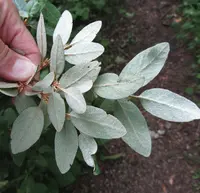
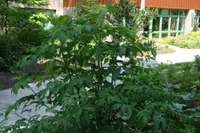
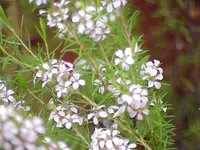
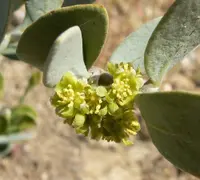
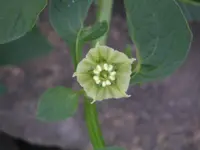
Velvetleaf huckleberry (Vaccinium myrtilloides) is a low, deciduous shrub in the heath family, related to blueberries. It forms small, airy clumps with fine branches and soft, slightly hairy leaves. In spring, it produces small, bell-shaped flowers that develop into blue-black berries with a light bloom. This species is native to cool, northern regions of North America, often found in open conifer forests, clearings, and rocky or sandy soils. It is generally considered moderate in difficulty, as it prefers acidic, well-drained soil and consistent moisture but dislikes waterlogged conditions. Gardeners who learn how to care for velvetleaf huckleberry often value it for wildlife support and its natural, woodland look.

Care Difficulty
Moderate Care

Light Preference
Partial Sun

Water Requirements
Regular Water

Temperature Preference
Cold Hardy

Hardiness Zone
2–6

Soil Texture
Sandy, Loamy, Peaty

Soil pH
Strongly acidic (4.5–5.5), Acidic (5.5–6.5)

Soil Drainage
Moist but well-drained

Fertilization
Minimal (feed rarely)
Scan your plant to receive care tips personalized for your specific plant
Available on iOS and Android
This low shrub prefers cool, bright conditions that mimic open woodland or bog edges.
Vaccinium myrtilloides needs consistently moist but not saturated soil, especially during establishment and fruiting.
This cold-hardy shrub is adapted to cool climates with cold winters and mild summers.
This shrub manages well in typical outdoor humidity but benefits from moderately moist air in hot, dry regions.
This species needs acidic, well-drained but consistently moist soil with high organic content.
This species can grow in containers if the pot and mix are chosen to keep roots cool, moist, and well aerated.
Vaccinium myrtilloides is a low-nutrient woodland shrub that benefits from light, acidic feeding rather than heavy fertilization.
Vaccinium myrtilloides needs only light pruning to maintain health and fruiting wood.
This shrub is usually grown in the ground, so focus on thoughtful transplanting or infrequent container repotting.
Vaccinium myrtilloides is commonly propagated by semi-hardwood cuttings, layering, or seed for restoration plantings.
This cold-hardy shrub tolerates typical winters in its range and usually needs minimal intervention.

Plant Health Check
Not sure what's wrong with your plant? Check your plant's health inside the app.
This species is naturally found in cool, nutrient-poor boreal forests and rocky uplands, where it tolerates cold winters and short growing seasons better than many other blueberries.
Its young leaves and twigs are covered with fine hairs, which reduce water loss and may protect tissues from cold, wind, and intense light in exposed northern habitats.
The plant often rebounds vigorously after forest fires, resprouting from underground stems and benefiting from the increased light and reduced competition in recently burned areas.

Genetic studies show that this species is closely related to the cultivated highbush blueberry but remains distinct, and it contributes important cold-hardiness and flavor traits to some modern blueberry breeding programs.
The berries are edible and commonly used fresh, in jams, baking, and preserves. They have a mild, sweet, slightly tart flavor. Leaves, stems, and roots are not eaten and should not be used as food.
Keep your plants happy and healthy with plant identification, disease detection, and easy care guidance.