Deep root training
During the first 2–3 years, water less often but deeply so the soil is moistened 30–45 cm down, encouraging a deep root system that improves drought tolerance and anchorage.

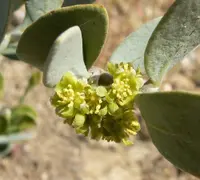
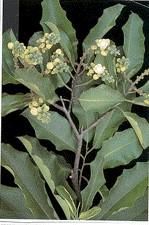
Jojoba, Simmondsia chinensis, is an evergreen shrub native to arid regions of the southwestern United States and northern Mexico. It is adapted to hot, dry climates with poor, sandy soils. The plant forms dense, multi-stemmed shrubs with gray-green, leathery leaves that help reduce water loss. Mature plants can become broad and long-lived, developing deep root systems that search for moisture. Jojoba is generally considered low-maintenance where conditions are dry, sunny, and well-drained, but it struggles in humid climates or heavy, wet soils. Understanding how to care for jojoba starts with mimicking its desert habitat, especially strong light and minimal excess moisture.

Care Difficulty
Easy Care

Light Preference
Full Sun

Water Requirements
Low Water

Temperature Preference
Warm Climate

Hardiness Zone
8–11

Soil Texture
Sandy, Loamy, Rocky

Soil pH
Neutral (7.0), Slightly alkaline (7.0–7.5)

Soil Drainage
Well-drained

Fertilization
Minimal (feed rarely)
Scan your plant to receive care tips personalized for your specific plant
Available on iOS and Android
This desert shrub thrives in strong sun and is adapted to bright, open sites.
This species is highly drought-tolerant and prefers deep, infrequent watering once established.
This shrub is adapted to hot, arid climates but has some cold tolerance once mature.
This desert shrub tolerates low humidity and usually needs no special humidity management.
This species needs very fast-draining, mineral-rich soil that mimics desert conditions.
This shrub can be grown in containers but needs careful attention to root space and stability.
This desert shrub has low nutrient demand, so use light feeding only to support container or young plants.
Pruning Simmondsia chinensis is mainly structural and corrective, not heavy or frequent.
This drought-adapted shrub is usually grown in-ground, so focus on careful outdoor transplanting rather than frequent repotting.
Simmondsia chinensis is propagated mainly from semi-hardwood cuttings and seeds under warm, controlled conditions.
This shrub is fairly cold hardy in arid climates but may need some winter care in cooler or wetter regions.

Plant Health Check
Not sure what's wrong with your plant? Check your plant's health inside the app.
The so-called jojoba oil is actually a liquid wax ester, chemically closer to whale spermaceti than to typical vegetable oils, which gives it unusual stability against heat and oxidation.
This shrub has a deep taproot that can reach many meters into the soil and a thick waxy leaf cuticle, adaptations that allow it to survive intense drought in Sonoran and Mojave Desert habitats.
Jojoba is dioecious, meaning male and female flowers grow on separate plants, so only female shrubs form the well-known wax-rich seeds once wind-borne pollen reaches them.

Jojoba plantations gained global importance in the late 20th century because its liquid wax could replace spermaceti from sperm whales in industrial and cosmetic uses, reducing pressure on whaling.
Lack of flowering often comes from plants being too young, poorly pollinated, or stressed by excess water or shade. Separate male and female plants, strong light, and dry, lean conditions support reliable flowering and fruit set.
Keep your plants happy and healthy with plant identification, disease detection, and easy care guidance.