



List of Medicinal Plants
Discover plants that have been valued in traditional herbal practices for generations. Read about species known for their medicinal properties and rich botanical history.
Find Plants by Letter
 POPULAR
Wandering Jew
Tradescantia zebrina
 POPULAR
Aloe
Aloe vera
 POPULAR
Weeping Fig
Ficus benjamina
 POPULAR
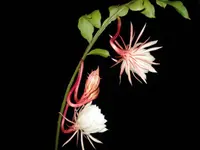
Queen of The Night
Epiphyllum oxypetalum
 POPULAR
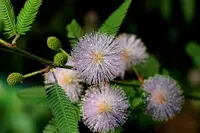
Sensitive Plant
Mimosa pudica
 POPULAR
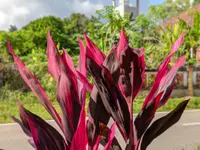
Ti Plant
Cordyline fruticosa
 POPULAR
Rubber Tree
Ficus elastica
 POPULAR
Jade plant
Crassula ovata
 POPULAR
Desert Rose
Adenium obesum
 POPULAR
Elephant Bush
Portulacaria afra
 POPULAR
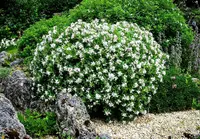
Crown-of-thorns
Euphorbia milii
 POPULAR
Cape jasmine
Gardenia jasminoides
 POPULAR
Suji
Dracaena angustifolia
 POPULAR
Devil's Tongue
Amorphophallus konjac
 POPULAR
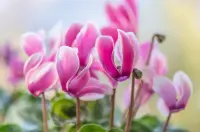
Cyclamen
Cyclamen persicum
 POPULAR
Chinese Banyan
Ficus microcarpa
 POPULAR
English Ivy
Hedera helix
 POPULAR
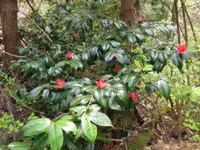
Japanese camellia
Camellia japonica
 POPULAR
Asian Taro Plant
Alocasia odora
 POPULAR
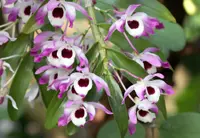
Noble Dendrobium
Dendrobium nobile
 POPULAR
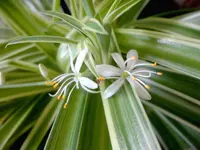
Spider Plant
Chlorophytum comosum
-1-200x150.webp) POPULAR
POPULARCreeping Fig
Ficus pumila
 POPULAR
Moses-in-the-cradle
Tradescantia spathacea
 POPULAR
Purple pitcher plant
Sarracenia purpurea
Medicinal Plants: Role & Impact on Humanity
Thousands of plant species contain active compounds, such as alkaloids, flavonoids, terpenes, and others. Initially, they were produced as a defense against various threats: pathogens, herbivores, and overall environmental stress. But they were also exceptionally useful to humans.
The names of medicinal plants have been known from ancient times to the present day. Their role remained huge — one quarter of modern FDA-approved drugs in the US are derived from plants. For example, aspirin originates from Willow bark, codeine from Opium poppy, etc.
Global Diversity of Medicinal Plants
Every human culture developed a system of medical knowledge, but Ayurveda, traditional Chinese medicine (TCM), and European herbalism are particularly well known. Each includes both widely known and cultivated medicinal plants, as well as lesser-known regional species.
Indian Ayurveda dates back to 3000 BCE and uses mostly plant-based drugs and formulations. Some of its key species are Turmeric, Ashwagandha, Brahmi, Tulsi, and Neem. Plants are used for anti-inflammatory, cortisol-regulating, antiviral, immune-boosting, antimicrobial, and other effects.
The list of medicinal plants from TCM is no less impressive. It dates back 2,000 years and includes over 1,800 species. The key ones are Ginseng for cardiovascular protection and immune modulation, Ginkgo biloba, prescribed for cognitive function and memory, and Artemisia annua, which has become an effective antimalarial drug.
European herbalism originates from ancient Greek and Roman cultures and has its own list of fundamental medicinal species: St. John's Wort, Bog sage, Greek valerian, English lavender, Common comfrey, and American black elderberry. These and other herbs have been used for the widest range of conditions, from insomnia to digestive issues.
Why & How to Use Medicinal Plants Responsibly
Although plants have played a foundational role in modern medicine, using them is still not a substitute for professional medical advice.
First, incorrect identification can have very negative consequences — medicinal plants have their own toxic look-alikes. Second, natural doesn’t always mean safe. Risks associated with the wrong dosage include liver, kidney, and cardiovascular toxicity. Third, herb-drug interactions may be dangerous.
For instance, St. John's Wort can reduce the effectiveness of anticoagulants and increase the risk of blood clots.
Above, you can see the most widely used and effective medicinal plants’ names and pictures with all key information about each species. Do your research, learn as much as possible, and make only safe choices.