



Full-Sun Plants
Choose plants that thrive in bright sunlight for most of the day. Explore varieties that flourish in sunny gardens and outdoor spaces.
Find Plants by Letter
 POPULAR
Money Tree
Pachira aquatica
 POPULAR
Wandering Jew
Tradescantia zebrina
 POPULAR
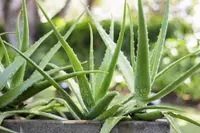
Aloe
Aloe vera
 POPULAR
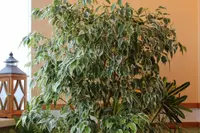
Weeping Fig
Ficus benjamina
 POPULAR
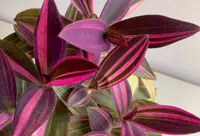
Purple Heart
Tradescantia pallida
 POPULAR
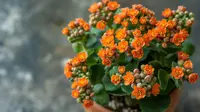
Flaming Katy
Kalanchoe blossfeldiana
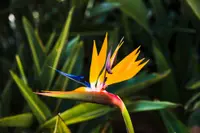 POPULAR
Giant White Bird of Paradise
Strelitzia nicolai
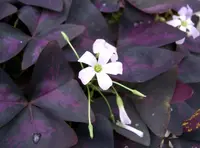 POPULAR
False Shamrock
Oxalis triangularis
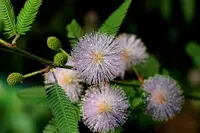 POPULAR
Sensitive Plant
Mimosa pudica
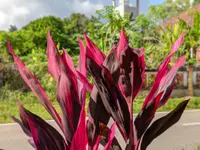 POPULAR
Ti Plant
Cordyline fruticosa
 POPULAR
Rubber Tree
Ficus elastica
 POPULAR
Jade plant
Crassula ovata
 POPULAR
Desert Rose
Adenium obesum
 POPULAR
Elephant Bush
Portulacaria afra
 POPULAR
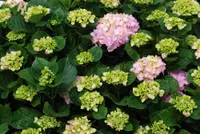
Bigleaf Hydrangea
Hydrangea macrophylla
 POPULAR
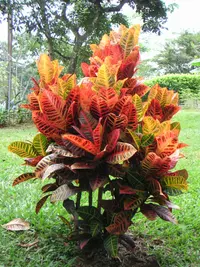
Garden croton
Codiaeum variegatum
 POPULAR
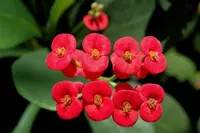
Crown-of-thorns
Euphorbia milii
 POPULAR
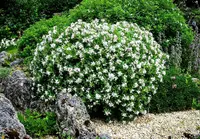
Cape jasmine
Gardenia jasminoides
 POPULAR
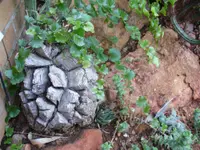
Elephant's Foot Plant
Dioscorea elephantipes
 POPULAR
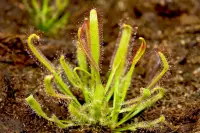
Cape sundew
Drosera capensis
 POPULAR
Chinese Banyan
Ficus microcarpa
-1-200x132.webp) POPULAR
POPULARPonytail Palm
Beaucarnea recurvata
 POPULAR
English Ivy
Hedera helix
 POPULAR
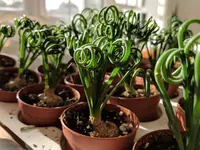
Curly Tamarak
Albuca spiralis
What Defines Full Sun Plants: Features & Adaptations
Some plants require 6+ hours of full, direct sun and are tolerant of solar radiation and drought. Many of them grow best at 8-10 hours of direct light daily. These are exactly what we can classify as full sun plants.
These species evolved in unshaded habitats: prairies, deserts, and savannas. Their unique features reflect adaptations to these demanding conditions. Many of them have reflective, waxy, thick, silver, gray, or blue-green leaves that reduce water loss, deflect excess light, and improve airflow.
These plants carry higher concentrations of heat-shock proteins and pigments that act as a buffer against heat stress. They can also keep their pores open for less time or closed all day to prevent water loss. Finally, many species in the group have disproportionately large root systems to retain more moisture during dry periods.
Unmatched Diversity of Full Sun Plants & Ways to Use Them
Such species are present across multiple categories. These include flowering perennials (e.g., Coneflower or daylilies), ornamental grasses (e.g., Maiden grass, Blue fescue), and shrubs (e.g., butterfly bush, rosemary).
Also, there are full sun species among annuals, vegetables, trees, and groundcovers, such as sunflowers, petunias, tomatoes, olives, and ice plants. The most distinctive group is succulents and cacti, which are on the extreme side of sun adaptation.
These plants can be used in any place where they can get enough light: garden beds and borders, containers, food gardens, meadow and prairie plantings.
If you want to know which species fit your climate and space, check the list of full sun plants above. The species profiles offer detailed information on sunlight requirements, watering, temperature, and all other key growing aspects.