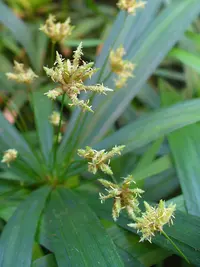
Maiden grass Care (Miscanthus sinensis)

Also known as: maiden silvergrass, Susuki Grass, Chinese fairy grass, Zebra grass, eulalia, Maiden Grass
Maiden grass

About Maiden grass

Maiden grass (Miscanthus sinensis) is a clump-forming ornamental grass valued for its fine foliage and graceful, arching habit. It is commonly used in borders, as a focal point, or in naturalistic plantings.

This species naturally occurs in East Asia, where it grows in open, sunny areas with well-drained soils. In gardens it typically forms dense mounds with narrow leaves and feathery flower plumes that age to attractive autumn tones.

Maiden grass is generally considered easy to grow if given enough sun, moderate moisture, and soil that does not stay waterlogged. Understanding how to care for Maiden grass helps it develop a strong clump and maintain an upright, tidy shape over time.

Main Plant Requirements

Care Difficulty

Easy Care

Light Preference

Full Sun

Water Requirements

Moderate Water

Temperature Preference

Cold Hardy

Hardiness Zone

5–9

Soil Texture

Sandy, Loamy, Clay

Soil pH

Acidic (5.5–6.5), Slightly acidic (6.5–7.0)

Soil Drainage

Moist but well-drained

Fertilization

Minimal (feed rarely)

Get Personalized Care Plan

Scan your plant to receive care tips personalized for your specific plant

Available on iOS and Android

How to Care for the Maiden grass

Miscanthus sinensis grows best in open, bright conditions to build strong, upright clumps.

  • Provide full sun for 6–8 hours daily; 4–6 hours is acceptable but produces slightly looser growth in Maiden grass.
  • Choose sites with strong morning sun and some protection from harsh, low western sun in very hot regions to reduce leaf scorch.
  • In cooler climates, full sun all day is ideal; in warmer zones, light afternoon shade helps prevent foliage bleaching and dry leaf tips.

This grass prefers evenly moist but free-draining soil, especially while establishing in the first 1–2 years.

  • Water when the top 3–5 cm of soil feels dry, applying a deep soak rather than frequent light sprinklings to encourage deep roots.
  • During hot, dry spells, increase watering, watching for curling or browning leaf tips as signs of drought stress in Miscanthus sinensis.
  • Avoid waterlogged soil; yellowing leaves, rotting crowns, or a sour smell indicate poor drainage and excess moisture, especially in heavy clay.

This warm-season grass grows best with warm summers and cool to cold winters that trigger dormancy.

  • Optimal growth occurs around 70–85°F (21–29°C); shoots emerge slowly in spring until soil warms consistently.
  • Most cultivars tolerate winter lows near -10 to -20°F (-23 to -29°C) once established, dying back above ground but regrowing from the crown.
  • Established clumps handle summer heat up to about 95°F (35°C) if soil moisture is adequate, but extended extreme heat and drought can cause leaf browning.

Humidity is not a major factor for Miscanthus sinensis, which is adapted to outdoor air conditions.

Miscanthus sinensis prefers moderately fertile, well-drained, moisture-retentive ground to support strong clump growth.

  • Use a loamy or sandy-loam soil with 20–30% compost to improve structure and water-holding capacity.
  • Ensure drainage is reliable; avoid sites where water stands for more than a few hours after rain.
  • Aim for slightly acidic to neutral pH around 6.0–7.0, amending very alkaline soils with organic matter.
  • Where soil is heavy clay, mix in coarse sand or fine gravel plus compost to increase aeration and reduce waterlogging risk.

This species can be grown in large outdoor containers if the pot provides enough root space and stability for tall growth.

  • Choose a wide, heavy container so the tall, leafy clumps do not tip over in strong winds.
  • Fill with a mix of garden loam, compost, and about 20% coarse sand or grit to keep drainage fast but roots evenly moist.
  • Elevate the pot slightly on feet or bricks so drainage holes stay clear and runoff moves away from paved surfaces.

Miscanthus sinensis grows well in average soil but benefits from modest feeding in poor or very sandy sites.

  • Apply a balanced slow-release fertilizer (for example 10-10-10) at half label rate once in early spring.
  • On lean soils, repeat a light feeding in midsummer if growth looks weak, avoiding high-nitrogen lawn products.
  • Use a 2–5 cm layer of compost around Maiden grass as a gentle nutrient source and soil improver.
  • Do not fertilize in late fall or winter, as the plant is dormant and excess nutrients may leach away.

Miscanthus sinensis responds well to simple, seasonal pruning that keeps the clump tidy and promotes fresh growth.

  • Cut back all old stems to 10–20 cm above ground in late winter or very early spring before new shoots emerge.
  • Remove dead, broken, or lodging stems during the season using sharp hand pruners to reduce disease hiding places.
  • Thin out a few of the oldest, most crowded stems at the base every 2–3 years to maintain an open, graceful shape.
  • Leave dried plumes and foliage standing over winter if desired for structure, then remove in one clean cut in spring.

This grass is usually grown in-ground, so care focuses on dividing and transplanting mature clumps rather than frequent repotting.

  • Plan division or transplanting in early spring as new shoots appear, or in early fall in mild climates.
  • Look for signs such as thinning centers, crowded growth, or roots circling a container, usually every 3–5 years.
  • Dig widely around the clump, lift gently, and slice into sections with a clean spade or saw, each with strong buds and roots.
  • Replant divisions at the original depth, water thoroughly, and keep soil evenly moist for several weeks to limit transplant shock.

Miscanthus sinensis is most commonly propagated by division, which preserves cultivar traits and produces flowering-size plants quickly.

  • Divide established clumps in early spring as new shoots are 5–10 cm tall, when soil is workable but still cool.
  • Lift the clump and cut into firm sections with several buds and healthy roots using a sharp spade or knife.
  • Replant divisions immediately into moist, well-drained soil, spacing to allow mature clump size and good air movement.
  • Seed propagation is possible for species types but needs warm soil, consistent moisture, and produces variable offspring.

Established Miscanthus sinensis is generally cold hardy in much of the US and needs only minimal winter care once rooted.

  • In zones near its hardiness limit, apply a 5–8 cm mulch layer over the root zone after the ground cools.
  • Leave dry foliage standing through winter to shield the crown and provide snow catch, then cut back in late winter.
  • For container plants in colder regions, move pots to a sheltered, unheated but frost-moderated spot to protect roots.

Care Tips

Staking New Clumps

Install a discreet hoop or 2–3 sturdy stakes with soft ties around young plants in their first windy season to keep the fountain shape upright while roots anchor more deeply.


Late-Winter Cleanup

Cut back the old foliage to 10–20 cm in late winter just before new growth emerges, then remove all dead leaves from the crown to reduce fungal issues and allow strong new shoots to push through easily.

Managing Self-Seed

In regions where this grass can spread, remove flower plumes before seeds mature or cut the whole clump back earlier than usual to reduce unwanted seedlings in nearby beds and lawns.

Dividing Mature Clumps

Every 5–7 years, lift and divide overgrown clumps with a sharp spade, discarding the dead center and replanting only vigorous outer sections to refresh growth and keep the plant from becoming woody and sparse.

Mulch for Crown Protection

Apply a 5–8 cm layer of coarse organic mulch around, but not on top of, the crown in late fall to moderate soil temperature and reduce heaving in freeze–thaw cycles, which supports stable roots when growing Maiden grass in colder climates.

Common Pests and Diseases

Leaf spot

This disease causes tan to brown spots on leaves that may merge into larger irregular patches, sometimes with a dark border and lighter center. Symptoms include premature browning and drying of older foliage, especially in humid or wet conditions.

Solution

Remove and discard affected leaves and any heavy thatch to reduce fungal spores, and avoid overhead watering so foliage dries quickly. Improve air circulation, space clumps properly, and if the problem is severe in a landscape setting, apply a labeled fungicide for ornamental grasses at the first sign of spotting, following local guidelines for Miscanthus sinensis care.

Rust

This disease produces orange to brown powdery pustules on leaf surfaces that can rub off on fingers or clothing. Symptoms include yellowing leaves and gradual decline of ornamental quality late in the season.

Solution

Cut back and dispose of infected foliage in fall to remove overwintering spores and avoid composting diseased material. Provide good spacing and airflow, limit overhead irrigation, and if rust recurs heavily each year, use a registered fungicide for ornamental grasses early in the season according to label directions.

Aphids

These insects cluster on stems and leaf bases, sucking sap and sometimes leaving sticky honeydew that can attract sooty mold. This pest can cause distorted new growth and overall weakening of young plants in particular.

Solution

Spray colonies off with a strong stream of water and remove heavily infested shoots if practical. Encourage natural predators such as lady beetles, avoid high nitrogen fertilization, and if needed use an insecticidal soap or horticultural oil directed at the undersides of leaves and crowded growth points.

Mealybugs

These insects appear as small white cottony clusters hidden in the leaf bases and lower stems. This pest feeds on plant sap, which can cause stunted growth and gradual decline of clumps in stressed or container-grown plants.

Solution

Inspect leaf bases regularly, physically remove visible clusters with a cotton swab dipped in alcohol, and dispose of heavily infested plant material. For persistent problems, apply horticultural oil or insecticidal soap thoroughly into the crown and leaf bases, repeating as directed until populations decline.

Stem and crown rot

This disease affects the base of the clump, where symptoms include browning and collapse of shoots, a rotting crown, and poor regrowth, especially in poorly drained or waterlogged soil. This problem usually develops over time in dense, older plantings with compacted or saturated ground.

Solution

Dig out and discard badly affected clumps, including softened or discolored crown tissue, and improve drainage before replanting by loosening soil and adding coarse organic matter. Avoid overwatering, divide and thin dense stands every few years, and select sites with well-drained soil to prevent recurrence.

Interesting Facts

C4 photosynthesis grass

This species uses C4 photosynthesis, a pathway that allows it to maintain high growth rates and water-use efficiency in warm, sunny conditions compared with many cool-season grasses that use the C3 pathway.

High biomass potential

Miscanthus sinensis produces large amounts of dry biomass from relatively poor soils, so it has been studied extensively as a candidate for renewable bioenergy and as a fiber source for paper and bioplastics.

Invasive in North America

Although valued as an ornamental, this grass escapes cultivation in parts of the United States, forms self-sustaining populations, and can outcompete native vegetation, so it is listed as invasive or of concern in several states.

Botan icon

Did you know?

Breeders have developed many ornamental cultivars from wild Miscanthus sinensis populations, including forms with variegated leaves, reddish flower plumes, and compact growth, which together transformed it from a farm and field species into a major landscape staple in temperate gardens worldwide.

FAQs about Maiden grass

Lack of flowers usually comes from too much shade, young age, or heavy, uncut old growth. Ensure full sun, avoid overfertilizing with high nitrogen, and cut back old foliage in late winter to stimulate new flowering stems.

Grow Healthy Plants with Botan Care

Keep your plants happy and healthy with plant identification, disease detection, and easy care guidance.

Botan plant care app — identify plants on mobile

Explore More Plants