Wind exposure management
Plant in a site with steady, light air movement rather than in a wind tunnel, and use low, open fencing or adjacent shrubs to diffuse strong winds that can snap the tall, reed-like culms.

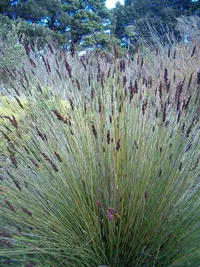
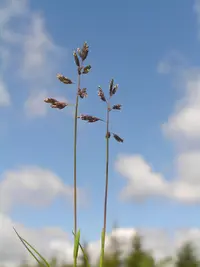
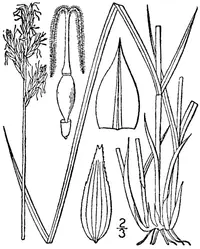
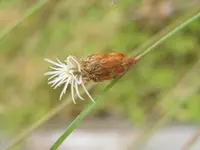
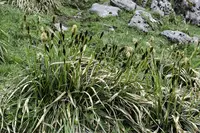
Cape thatching reed (Elegia tectorum) is an evergreen restio, a grass-like plant with upright, reed-shaped stems and fine, brushy side branches. It forms dense, architectural clumps that move attractively in wind and suit coastal or modern-style gardens.
This species is native to the winter-rainfall regions of South Africa’s Cape, where it grows in nutrient-poor, sandy soils. It rewards consistent moisture and sun but resents heavy, waterlogged, or very rich ground.
Once established, it can be long-lived but does not tolerate severe drought, hard frost, or frequent disturbance, which makes it moderately demanding in cooler climates. Understanding how to care for Cape Thatching Reed starts with matching its need for sun, free-draining but moist soil, and good air movement.

Care Difficulty
Moderate Care

Light Preference
Full Sun

Water Requirements
Keep Soil Moist

Temperature Preference
Warm Climate

Hardiness Zone
9–11

Soil Texture
Sandy, Loamy, Organic-rich

Soil pH
Acidic (5.5–6.5), Slightly acidic (6.5–7.0)

Soil Drainage
Moist but well-drained

Fertilization
Minimal (feed rarely)
Scan your plant to receive care tips personalized for your specific plant
Available on iOS and Android
This reed-like species needs bright, open conditions to stay dense and upright.
This moisture-loving restio prefers consistently damp but not stagnant soil.
This South African restio prefers mild, ocean-influenced climates without temperature extremes.
This reed-like species prefers moderately moist air but usually adapts to typical outdoor humidity levels.
Elegia tectorum prefers consistently moist, sandy to loamy substrate with excellent drainage yet no prolonged dryness.
This species can be grown in containers if the pot is deep, stable, and drains very efficiently.
This reed prefers lean, sandy soil and only light feeding in cultivation.
Elegia tectorum benefits from periodic tidying rather than heavy structural pruning.
This restio is most often grown in the ground but can be transplanted or potted with care.
This species is usually propagated by seed or careful division of established clumps.
This plant tolerates light frost but needs protection in colder climates and exposed sites.

Plant Health Check
Not sure what's wrong with your plant? Check your plant's health inside the app.
This species is native to the winter-rainfall fynbos of South Africa’s Western Cape, where it grows on nutrient-poor, often sandy soils and is adapted to cool, wet winters and dry summers.
The stiff, upright, reed-like stems and fine side branches form flexible but resilient culms that tolerate strong coastal winds and salt-laden air without snapping.
Local communities have long harvested its durable stems for roofing and fencing, which is the origin of the common name Cape thatching reed and is central to traditional how to take care of Cape Thatching Reed guidelines in its native range.

This restio is strongly fire-adapted; in its native fynbos it often relies on periodic wildfires to stimulate regeneration, with seed germination and stand renewal closely linked to the post-fire environment.
Lack of flowers usually comes from insufficient light, nutrient-poor soil, or plants that are still immature. Ensure full sun, avoid heavy pruning of young shoots, and provide balanced nutrition to support flowering over time when you grow Elegia tectorum.
Keep your plants happy and healthy with plant identification, disease detection, and easy care guidance.