eastern woodland sedge Care (Carex blanda)

Also known as: woodland sedge
eastern woodland sedge

About eastern woodland sedge

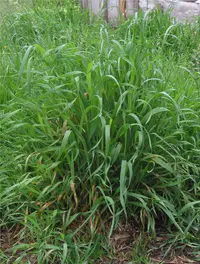
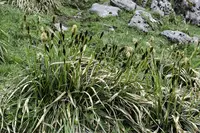
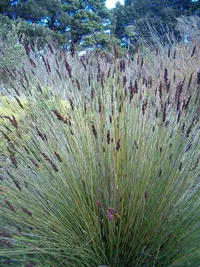
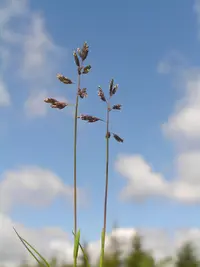
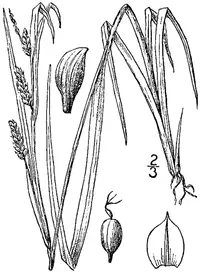
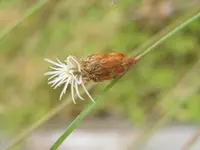
Eastern woodland sedge, Carex blanda, is a cool-season, clumping sedge native to forests and shaded edges across eastern and central North America. It forms low, arching tufts of fine, bright to medium green leaves that create a soft, grassy groundcover.

This species naturally occurs in moist woodlands, floodplains, and shaded slopes, where it tolerates leaf litter and competition from other plants. It is valued for its adaptability, handling shade to part sun, varied soils, and moderate moisture.

These traits make it a relatively low-maintenance choice for naturalistic plantings, understory areas, and erosion control. Understanding how to care for eastern woodland sedge mainly involves matching its preference for cool roots, organic-rich soil, and steady, not waterlogged, moisture.

Main Plant Requirements

Care Difficulty

Easy Care

Light Preference

Partial Shade

Water Requirements

Regular Water

Temperature Preference

Cold Hardy

Hardiness Zone

3–8

Soil Texture

Loamy, Silty, Organic-rich

Soil pH

Acidic (5.5–6.5), Slightly acidic (6.5–7.0)

Soil Drainage

Moist but well-drained

Fertilization

Minimal (feed rarely)

Get Personalized Care Plan

Scan your plant to receive care tips personalized for your specific plant

Available on iOS and Android

How to Care for the eastern woodland sedge

This shade-tolerant sedge prefers soft, filtered light similar to an open woodland edge.

  • Provide dappled shade or morning sun with light afternoon shade, aiming for 2–4 hours of direct early sun and bright, indirect light the rest of the day.
  • In full shade it will survive but grow more slowly and loosely; in more sun, eastern woodland sedge needs consistently moist soil to prevent leaf scorch.
  • Avoid hot, reflected afternoon sun, especially in summer, as 6+ hours of intense exposure can cause browning tips and dry clumps.

This sedge prefers evenly moist soil but tolerates brief drying once established.

  • In the first growing season, water whenever the top 2–3 cm of soil feels barely moist, especially after 2–3 rain-free days in warm weather.
  • Once established, rely on observation: foliage that flops, curls, or turns dull gray-green signals dryness, while yellowing and mushy crowns suggest chronic overwatering.
  • Use soil that drains well yet holds moisture; in clay or low spots, watch for standing water after rain and improve drainage to avoid root rot in Carex blanda.

This hardy sedge is adapted to temperate climates with cold winters and warm summers.

  • Active growth is strongest in cool to mild conditions around 55–75°F (13–24°C), especially in spring and early summer.
  • Mature plants tolerate winter lows near 0°F (−18°C) with the foliage dying back and roots overwintering beneath mulch or natural leaf litter.
  • In summer, plants handle heat up to about 85–90°F (29–32°C) if soil stays moist; extended hotter, dry periods can cause browning tips and partial dormancy.

This sedge handles a wide humidity range but benefits from moderately moist air in hot, dry conditions.

  • Target 40–60% humidity, similar to typical outdoor shade or dappled woodland conditions.
  • It tolerates brief dry air but prolonged hot, low humidity combined with drought can cause browning leaf tips on eastern woodland sedge.
  • To reduce humidity stress in containers, group plants closely and keep soil evenly moist rather than using misting.

This species prefers consistently moist, loose soil that mimics a light woodland loam.

  • Use a loamy mix with high organic matter, such as 2 parts garden soil, 2 parts compost, and 1 part fine pine bark or leaf mold.
  • Aim for soil that drains freely yet stays evenly damp; avoid sites where water stands for more than a few hours.
  • A slightly acidic to neutral pH around 6.0–7.0 supports healthy root growth in Carex blanda.
  • To improve aeration on heavy clay sites, incorporate compost and fine bark through the top 15–20 cm and avoid compacting wet soil.

This sedge is suitable for containers, especially in shaded patios or balcony plantings.

  • Choose a broad, shallow to medium-depth container to allow rhizomes to spread sideways rather than forcing deep root growth.
  • Select a heavier material such as ceramic or clay to keep the container stable against wind and the arching foliage mass.
  • Use a moisture-retentive yet free-draining mix and elevate the pot slightly so drainage holes clear quickly after rain or watering.

Carex blanda usually grows well in average to rich soil and only needs light fertilization in managed plantings.

  • Use a light top-dressing of compost or leaf mold in spring to support growth of eastern woodland sedge.
  • If needed, apply a balanced slow-release fertilizer (around 10-10-10) at half strength once in early spring.
  • Avoid mid-summer high-nitrogen feeds, which can cause weak, lush foliage and reduce resilience.
  • Do not fertilize in late fall or winter, when growth is naturally slow or dormant.

Pruning Carex blanda is mainly about tidying clumps and maintaining healthy foliage.

  • Cut back dead or winter-burned leaves in late winter or very early spring before new growth emerges.
  • Remove damaged, discolored, or diseased blades at the base during the growing season using clean hand pruners or scissors.
  • Thin out congested clumps every few years to improve air movement and maintain an attractive, arching form.
  • Avoid cutting into the crown; leave green growth intact to keep the plant photosynthesizing and vigorous.

Carex blanda is most often transplanted in the landscape rather than repotted in containers.

  • Plan division or transplanting in early spring or early fall, when temperatures are cool and soil moisture is steady.
  • Look for crowded clumps, slow growth, or roots circling a pot as signs that moving or dividing is helpful.
  • Dig widely around the clump, lift with a root ball intact, and replant at the same depth in prepared soil.
  • Water thoroughly after transplanting, then keep soil evenly moist for 2–3 weeks to limit root stress and promote reestablishment.

Propagation of Carex blanda is straightforward by division and also possible from seed.

  • Divide mature clumps in early spring or early fall, when conditions are cool and soil is moist.
  • Lift the plant, then separate the root mass into several sections, each with healthy shoots and roots attached.
  • Replant divisions immediately at the same depth, firm soil around roots, and water well to settle them in.
  • For seed, sow fresh seed outdoors in fall so natural winter cold provides stratification that improves germination.

Carex blanda is cold hardy in much of the US and generally needs minimal winter care in the ground.

  • In colder regions, apply a 3–5 cm layer of mulch around the root zone after the ground cools to moderate freeze-thaw cycles.
  • Allow foliage to go dormant naturally; cut back dead leaves in late winter rather than fall.
  • For container-grown plants in very cold climates, move pots to a sheltered, unheated but frost-moderated spot.

Care Tips

Spring clump division

Every 3–4 years in early spring, lift and split crowded clumps into fist-sized sections with healthy roots to rejuvenate growth and quickly expand your planting area.

Leaf mulch integration

Allow tree leaves to accumulate lightly around plants, then shred or crumble and leave them in place to mimic woodland duff, improve moisture retention, and slowly enrich the soil surface.

Edge spread control

Where spread must be contained, install a shallow root barrier 10–15 cm deep along beds or paths and slice off wandering rhizomes once a year with a flat spade.

Pathway tolerance training

If used near low-traffic paths, start with limited foot traffic and observe thinning spots, then top-dress those areas with composted bark to improve resilience and recovery.

Understory layering

When growing eastern woodland sedge beneath shrubs or trees, stagger small groups 20–30 cm apart in irregular drifts to create a stable living mulch that suppresses weeds and protects soil structure.

Common Pests and Diseases

Rust

This disease causes small orange-brown pustules on leaves, often leading to early yellowing and thinning of clumps in humid, shaded sites.

Solution

Remove and dispose of heavily infected leaves, reduce overhead watering, and increase air movement by thinning nearby vegetation; in severe, recurring cases, apply a labeled fungicide for ornamental grasses according to eastern woodland sedge care instructions.

Leaf spot

This disease produces tan to dark brown spots with possible yellow halos on foliage, which can coalesce and give the plant a scorched, patchy appearance.

Solution

Prune and discard affected leaves, avoid wetting the foliage when watering, and keep mulch slightly away from the plant crowns; if conditions stay wet and spotting spreads, use a grass-safe fungicide and improve drainage around the planting area.

Aphids

These insects cluster on young stems and leaf bases, sucking sap and sometimes leaving sticky honeydew that can attract sooty mold.

Solution

Wash colonies off with a firm stream of water, encourage natural predators such as lady beetles, and if populations remain high, use an insecticidal soap or neem oil spray, making sure to coat both sides of the foliage.

Slugs and snails

This pest feeds on tender new leaves, leaving irregular holes and ragged edges, especially in moist, shaded plantings and near mulch or groundcover.

Solution

Hand-pick at dusk or early morning, reduce hiding places by limiting thick mulch and debris, and, if needed, place iron phosphate slug baits around but not inside clumps, following label directions to protect pets and wildlife.

Interesting Facts

Spring woodland colonizer

This sedge is one of the earliest graminoids to green up in deciduous woodlands of eastern North America, helping stabilize soil and capture light before tree canopies fully leaf out.

Host for sedge-dependent insects

It serves as a larval host and food source for several specialist moth and butterfly species that rely on woodland sedges, contributing to forest floor insect diversity.

Tolerant of leaf litter

The plant naturally grows and persists under accumulating leaf litter in woodlands, with its flexible leaves and upright growth allowing it to push through and photosynthesize each spring.

FAQs about eastern woodland sedge

This species spreads slowly by short rhizomes and self-seeding, forming loose clumps rather than dense monocultures. It can gently fill in gaps over time but is not considered an aggressive spreader in most garden settings.

Grow Healthy Plants with Botan Care

Keep your plants happy and healthy with plant identification, disease detection, and easy care guidance.

Botan plant care app — identify plants on mobile

Explore More Plants