



Tropical Plant Names and Pictures
Explore plants that like warm climates and bright spaces. This collection is for those who want to add an exotic touch to their interiors.
Find Plants by Letter
 POPULAR
Monstera
Monstera deliciosa
 POPULAR
Money Tree
Pachira aquatica
 POPULAR
Wandering Jew
Tradescantia zebrina
 POPULAR
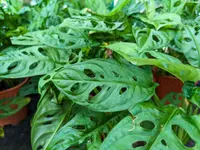
Swiss Cheese Vine
Monstera adansonii
 POPULAR
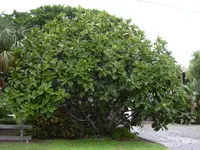
Fiddleleaf Fig
Ficus lyrata
 POPULAR
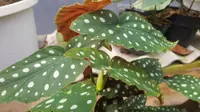
Polka Dot Begonia
Begonia maculata
 POPULAR
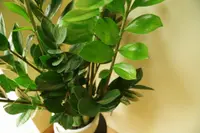
ZZ Plant
Zamioculcas zamiifolia
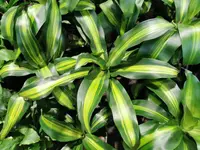 POPULAR
Corn Plant
Dracaena fragrans
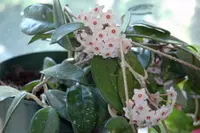 POPULAR
Wax Plant
Hoya carnosa
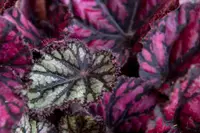 POPULAR
King Begonia
Begonia rex
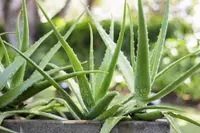 POPULAR
Aloe
Aloe vera
 POPULAR
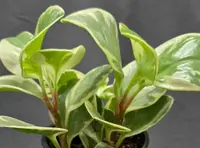
Baby Rubberplant
Peperomia obtusifolia
 POPULAR
Weeping Fig
Ficus benjamina
 POPULAR
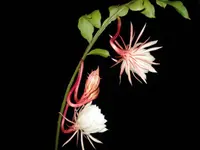
Queen of The Night
Epiphyllum oxypetalum
 POPULAR
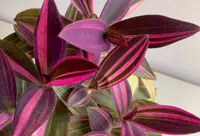
Purple Heart
Tradescantia pallida
 POPULAR
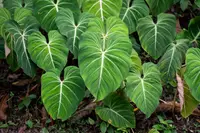
Philodendron gloriosum
Philodendron gloriosum
 POPULAR
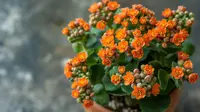
Flaming Katy
Kalanchoe blossfeldiana
 POPULAR
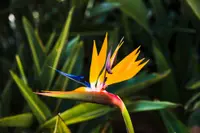
Giant White Bird of Paradise
Strelitzia nicolai
 POPULAR
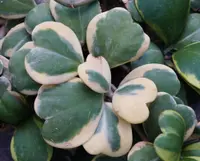
Hoya Hearts
Hoya kerrii
 POPULAR
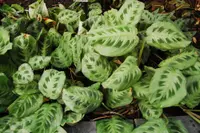
Prayerplant
Maranta leuconeura
 POPULAR
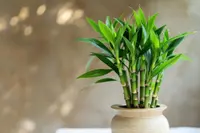
Lucky Bamboo
Dracaena sanderiana
 POPULAR
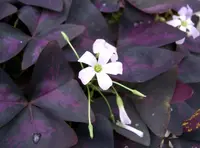
False Shamrock
Oxalis triangularis
 POPULAR
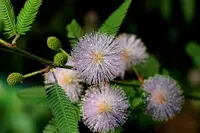
Sensitive Plant
Mimosa pudica
 POPULAR
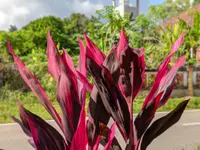
Ti Plant
Cordyline fruticosa
Tropical Plants: What Really Defines the Category
You’ve definitely heard some tropical plants’ names. Those include monstera, orchids like Vanilla orchids, hibiscus, and other quite common species. However, the entire category includes thousands of plants, and all of them share similar features and habitats.
Tropicals can be distinguished based on the climate conditions they evolved in. All of them grow in environments where average temperature never drops below 64°F (18°C). They can also be distinguished geographically, and not all of these species come from rainforests.
Tropicals can also be found in cloud forests, coastal zones, savannas, and dry (seasonal forests). Rainfall depends a lot on the zone a lot. Rainforests have 9-12 wet months, while savannas have long dry seasons, so humidity fluctuates significantly.
Diversity & Key Types of Tropical Plants Explained
The full list of tropical plants includes over 100,000 species, but we can still divide them into a few main categories.
These are large-leafed foliage species (e.g., Monstera dissecta, Philodendron gloriosum), flowering tropicals (e.g., Polka dot begonia, Chinese hibiscus), palms (e.g., Parlor palm, Butterfly palm), and climbing and vining species (e.g., Swiss cheese vine, Wax plant). Also, there are ferns and mosses, carnivorous species, and some houseplants that don’t directly fit in the above categories, such as Money tree or Prayer plant.
Many species in the group grow well indoors, outdoors, or in both open and closed spaces. However, outdoor ones require warm climate zones. In the US, these are 9-11. Many are compatible with seasonal container planting. Also, as noted before, many indoor plants are actually tropical — they evolved in shady environments, so they tolerate low light pretty well.
Domesticating Tropicals — How to Do it Easily
Many species are already domesticated, but they do require special care. In particular, most need higher levels of humidity (50-70%), consistently warm temperatures of 65-85°F (18-29°C), typically bright yet indirect light, and moderate watering with good drainage.
There are both low-maintenance and high-maintenance species within the group. On this page, you can see the list of tropical plants’ names and pictures, as well as their full profiles with environmental requirements and key care details.