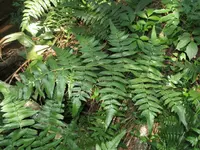
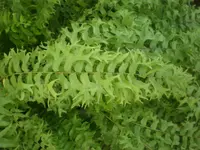
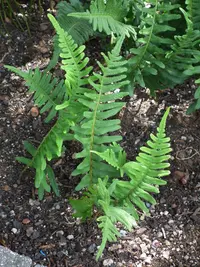
Divide Mature Clumps
Every 3–5 years, lift and divide overcrowded crowns in early spring while still dormant, replanting vigorous outer sections at the same depth to maintain frond size and overall vigor.

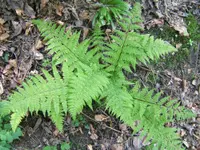
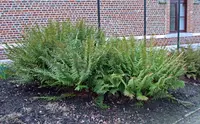
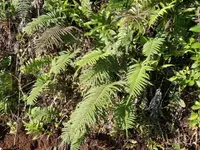
Lady-fern, Athyrium filix-femina, is a hardy deciduous fern valued for its fine, lacy fronds and graceful, upright to arching growth. It usually forms soft clumps that give a light, airy texture to shaded gardens and naturalistic plantings.
This species is native to temperate forests and moist woodlands across North America, Europe, and parts of Asia, where it thrives in cool, damp, sheltered sites. It suits gardeners looking to care for Lady-fern in shaded beds, woodland gardens, or naturalized areas.
Lady-fern is generally considered easy to grow if it receives consistent moisture, rich humus soil, and protection from hot, direct sun.

Care Difficulty
Moderate Care

Light Preference
Partial Shade

Water Requirements
Keep Soil Moist

Temperature Preference
Cold Hardy

Hardiness Zone
3–8

Soil Texture
Loamy, Peaty, Organic-rich

Soil pH
Acidic (5.5–6.5), Slightly acidic (6.5–7.0)

Soil Drainage
Moist but well-drained

Fertilization
Minimal (feed rarely)
Scan your plant to receive care tips personalized for your specific plant
Available on iOS and Android
This fern prefers cool, shaded conditions that mimic a woodland understory.
This species needs consistently moist but not waterlogged soil to stay healthy.
This hardy fern tolerates a broad temperature range but grows best in cool, moist conditions.
This fern prefers consistently moist air and reacts quickly to very dry conditions.
This species needs light, humus-rich soil that stays evenly moist yet drains freely.
This fern is well suited to container growing on shaded patios, balconies, or shaded garden areas.
This woodland fern benefits from light feeding but grows acceptably in rich, undisturbed soil.
Pruning Athyrium filix-femina focuses on removing old fronds to keep the clump clean and healthy.
This fern is more often transplanted in the ground than repotted, as it forms expanding clumps over time.
Division is the most practical method for increasing Athyrium filix-femina in home gardens.
This hardy deciduous fern needs minimal winter attention in most temperate climates.

Plant Health Check
Not sure what's wrong with your plant? Check your plant's health inside the app.
This species belongs to a very old fern lineage, with fossil relatives of Athyrium-type ferns known from rocks tens of millions of years old, showing remarkable evolutionary stability in its frond structure.
It often produces two visually different frond types on the same plant: broader, more delicate sterile fronds and slightly narrower, more upright fertile fronds that carry the spores on their undersides.
The sori (spore clusters) are covered by a curved, J-shaped indusium, a thin protective tissue that is characteristic for this species and is used by botanists to distinguish it from similar woodland ferns.

In traditional European folklore, this fern was sometimes associated with fairies and woodland spirits, and its finely divided, lacy fronds contributed to the idea that it marked places in the forest that should be treated with particular respect and care.
Brown tips or fronds usually result from low humidity, missed waterings, or excess fertilizer salts. Consistent moisture, higher humidity, and occasional leaching of the potting mix help. Avoid hot drafts and direct sun that scorch delicate tissue.
Keep your plants happy and healthy with plant identification, disease detection, and easy care guidance.