


Rotate For Symmetry
Rotate the pot 90° every 2–3 weeks so the plant receives even light on all sides and develops a balanced, upright clump instead of leaning toward one direction.

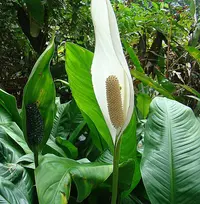
Spathiphyllum friedrichsthalii is a compact, evergreen aroid grown mainly as an indoor foliage plant. It forms clumps of narrow, arching, glossy green leaves that give it a graceful, fountain-like shape.
This species comes from tropical Central and South America, where it grows in warm, shaded forest understories. Its growth habit and moderate size make it suitable for small rooms, desktops, or mixed indoor groupings.
Most growers find it moderately easy, as it adapts to typical indoor temperatures and stable room humidity. Understanding how to care for Spathiphyllum friedrichsthalii mainly involves providing bright, indirect light, evenly moist but not waterlogged soil, and a well-draining potting mix.

Care Difficulty
Moderate Care

Light Preference
Bright Indirect Light

Water Requirements
Keep Soil Moist

Temperature Preference
Tropical / Frost Sensitive

Hardiness Zone
11–12

Soil Texture
Loamy, Peaty, Organic-rich

Soil pH
Acidic (5.5–6.5), Slightly acidic (6.5–7.0)

Soil Drainage
Moist but well-drained

Fertilization
Light (every 4–6 weeks)
Scan your plant to receive care tips personalized for your specific plant
Available on iOS and Android
This species prefers bright, gentle light that mimics a shaded forest floor.
This plant prefers evenly moist but not saturated soil around the root zone.
Stable, warm conditions support steady growth and prevent stress.
This species benefits from moderately high, stable humidity for best foliage quality.
Soil for this plant should be airy, moisture-retentive, and free-draining to protect the roots.
This species is well suited to container growing when the pot supports its moisture needs and root health.
Consistent but moderate feeding supports steady growth and flowering in Spathiphyllum friedrichsthalii.
Pruning keeps plants tidy and directs energy to healthy leaves and blooms.
Repotting maintains root health and supports long-term Spathiphyllum friedrichsthalii indoor care.
Division is the most reliable method for propagating this peace lily type.
Indoor plants need stable, warm winter conditions rather than outdoor protection.

Plant Health Check
Not sure what's wrong with your plant? Check your plant's health inside the app.
This species is notable for its unusually narrow, elongated leaves with distinct wavy margins, which separate it visually from the broader-leaved peace lily species more common in cultivation.
Unlike the more typical clumping peace lilies, this species can develop a more vining, scrambling habit with arching or trailing stems, which allows it to be grown in hanging baskets or trained on small supports indoors.
In its native tropical understory habitats, this plant is adapted to dappled light and can maintain green, functioning foliage at relatively low light levels compared to many other aroids, which supports Spathiphyllum friedrichsthalii indoor care in shaded rooms.
Lack of flowering usually comes from insufficient light, overly rich or fresh fertilizer, or the plant being rootbound. Older, crowded clumps also bloom less. Divide crowded plants, refresh substrate, and provide steady but moderate nutrition to restore blooms.
Keep your plants happy and healthy with plant identification, disease detection, and easy care guidance.

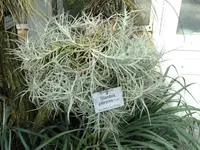
Tillandsia paleacea
Tillandsia paleacea
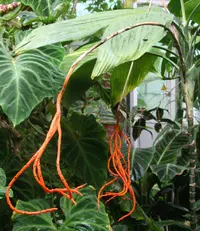
Chamaedorea ernesti-augusti
Chamaedorea ernesti-augusti
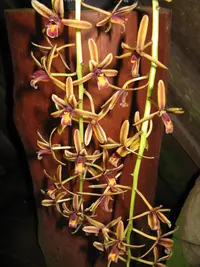
Finlayson's Cymbidium
Cymbidium finlaysonianum
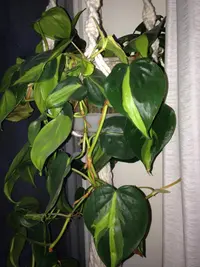
Philodendron
Philodendron hederaceum var. oxycardium 'Brasil'
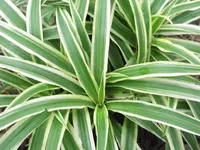
Spider Plant
Chlorophytum comosum 'Variegatum'
Pleurothallis palliolata
Pleurothallis palliolata
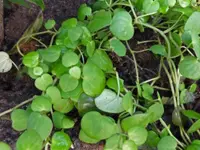
Vining Peperomia
Peperomia serpens
Sprenger's asparagus
Asparagus aethiopicus