Alpinia formosana Care

Alpinia formosana

About Alpinia formosana

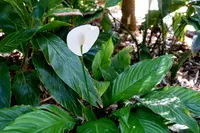
Alpinia formosana is a clumping, rhizome-forming ginger from Taiwan and nearby regions, grown mainly for its lush, upright foliage and attractive, elongated leaves. It usually stays more compact than many ornamental gingers, which makes it suitable for small gardens and large containers.

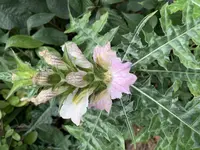
The plant produces spikes of white to pale pink flowers that add seasonal interest in warm conditions. It prefers warm, humid environments with bright, filtered light and evenly moist, well-drained soil.

Due to its tolerant and steady growth habit, many gardeners find it relatively straightforward to care for Alpinia formosana when basic moisture and light needs are met.


Main Plant Requirements

Care Difficulty

Moderate Care

Light Preference

Partial Shade

Water Requirements

Regular Water

Temperature Preference

Warm Climate

Hardiness Zone

8–11

Soil Texture

Loamy, Sandy, Organic-rich

Soil pH

Acidic (5.5–6.5), Slightly acidic (6.5–7.0)

Soil Drainage

Moist but well-drained

Fertilization

Light (every 4–6 weeks)

Get Personalized Care Plan

Scan your plant to receive care tips personalized for your specific plant

Available on iOS and Android

How to Care for the Alpinia formosana

This rhizomatous ginger prefers bright, indirect conditions that mimic light woodland edges.

  • Provide 3–5 hours of gentle morning sun with bright, filtered light the rest of the day; avoid harsh midafternoon sun, which can scorch leaves.
  • Alpinia formosana tolerates light to partial shade, but in too much shade it produces fewer flowers and stretched, weaker growth.
  • In hot summers, give dappled shade under high tree canopy; in cooler seasons or coastal climates, it can handle more direct sun, especially before 11 a.m.

This species likes steadily moist but not saturated soil around its shallow rhizomes.

  • Water when the top 2–4 cm of soil feels dry, aiming for soil that stays evenly damp without puddling or sour smell.
  • Increase watering during active growth and hot weather, then reduce in cooler months when the plant slows and the soil dries more slowly.
  • Leaf tips browning and curling suggest underwatering, while yellowing leaves, soft stems, or persistent soggy soil indicate overwatering or poor drainage.

This ginger performs best in mild, frost-free climates with stable warmth.

  • Aim for 65–80°F (18–27°C) for active growth; short spikes to 85°F (29°C) are tolerated if soil moisture and shade are adequate.
  • Growth slows below 55°F (13°C) and foliage can be damaged below about 40°F (4°C); prolonged exposure near freezing may kill rhizomes.
  • Protect from frost by mulching the root zone in cool regions and shielding from hot, dry winds during heatwaves above 90°F (32°C).

This ginger prefers moderately humid air but copes with typical indoor levels if not kept too warm.

  • Aim for 50–70% humidity, especially in warm rooms or during active growth.
  • Leaf tips browning, curling, or crisp edges indicate air that is too dry for Alpinia formosana.
  • Increase humidity with a nearby humidifier, grouped plants, or a pebble tray that allows evaporation without the pot sitting in water.

This species grows best in loose, moist, well‑draining soil rich in organic matter.

  • Use a mix of 2 parts peat- or coco-based potting mix, 1 part compost, and 1 part perlite or fine bark for structure and drainage.
  • Aim for slightly acidic to neutral pH (6.0–7.0) to support nutrient uptake and root health.
  • Ensure the soil feels springy, not compacted; add bark or perlite to increase air pockets around the roots.
  • Avoid heavy clay, waterlogged spots, or pure sand, which either suffocate roots or dry out extremely fast.

This species is well suited to container growing outdoors or in bright sheltered spaces.

  • Choose a wide, deep pot to accommodate its rhizomes and prevent the plant from becoming top-heavy and tipping in wind.
  • Select a sturdy, heavier material like ceramic or thick plastic to stabilize tall foliage and spreading clumps.
  • Raise the pot slightly on feet or bricks so drainage holes stay clear and excess water can flow away quickly.

Balanced nutrition supports steady growth and foliage quality in Alpinia formosana.

  • Use a balanced, water-soluble fertilizer (for example 10-10-10 or 20-20-20) at 1/2 strength for container plants.
  • Feed every 4–6 weeks during the active growing season, spring through early fall.
  • Pause or reduce feeding to 1 light application in late winter if growth slows or the plant is semi-dormant.
  • For in-ground plants, mix compost or a slow-release fertilizer into the topsoil once each spring.

Light, periodic pruning keeps Alpinia formosana dense, tidy, and healthy.

  • Carry out main pruning in late winter or early spring before strong new growth starts.
  • Remove dead, damaged, or diseased canes at the base to limit pests and fungal issues.
  • Thin the oldest or most crowded stems to improve air flow and maintain an upright clumping shape.
  • Use clean, sharp hand pruners and disinfect blades between plants to reduce disease spread.

Container-grown Alpinia formosana benefits from timely potting on or careful transplanting to maintain strong growth.

  • Check for roots circling the pot, growing out of drainage holes, or slowed top growth as signs it needs more space.
  • Plan major repotting or transplanting in spring, every 2–3 years for pots or when clumps outgrow their bed.
  • Choose a container 2–5 cm wider with drainage holes and use a rich, well-drained mix to support rhizome growth.
  • Water thoroughly before and after moving, keep the plant shaded for 3–7 days, and avoid heavy feeding while roots re-establish.

New plants of Alpinia formosana are most reliably produced by division of mature clumps.

  • Divide rhizomes in spring when new shoots are 5–10 cm tall and growth is active.
  • Lift the clump, gently shake off soil, and cut sections with at least 1–2 healthy shoots and firm roots.
  • Replant divisions at the same depth in moist, well-drained soil and water thoroughly to settle roots.
  • Keep divisions warm (65–80°F) with lightly shaded light and consistently moist, not waterlogged, substrate until established.

Cool-season management helps Alpinia formosana survive mild frosts and resume growth in spring.

  • Treat it as frost-tender below about 25–28°F; foliage is often damaged before the rhizomes are.
  • Mulch the root zone with 5–8 cm of bark or leaves in late fall to insulate rhizomes in the ground.
  • Move container plants indoors or into a frost-free garage or greenhouse in cold climates, providing bright, cool conditions.
  • Reduce watering in winter so the soil stays slightly moist but never saturated, especially in low light.

Care Tips

Rhizome Division

Divide crowded clumps every 3–4 years in late spring by lifting the rhizomes, cutting them into hand-sized sections with at least 2–3 healthy shoots, and replanting them at the same depth to maintain vigor and prevent weak, congested growth.

Mulch For Winter

In USDA zones at the cooler end of its range, apply a 5–8 cm layer of loose organic mulch around the root zone in late fall, keeping it a few cm away from the stems to protect rhizomes from freeze–thaw cycles and reduce winter losses.

Wind Protection

Site plants where they are shielded from strong prevailing winds or use low fencing or dense companion planting as a windbreak so the tall, upright canes do not snap or lean after storms.

Container Root Management

For plants grown in large containers, slip the root ball out every 1–2 years in spring to check for circling roots, trim back the outer 1–2 cm of tightly coiled roots, and refresh at least one-third of the potting mix to keep the plant compact and healthy.

Sanitation Against Pests

Remove yellowing leaves and old stems promptly, and clear spent debris from the crown area a few times per season to reduce hiding places for scale, mealybugs, and fungal issues when caring for Alpinia formosana.

Common Pests and Diseases

Spiral leafhopper

This pest feeds on young ginger foliage, causing pale stippling, curling, and distortion of the leaves, and can stunt clump growth in warm, humid conditions.

Solution

Remove heavily infested leaves and dispose of them, then rinse remaining foliage with a strong stream of water every few days and improve air movement around the clump; if needed, apply an insecticidal soap or neem oil to the undersides of leaves, repeating weekly until new growth appears clean.

Spider mites

These insects thrive in hot, dry conditions on container-grown plants, causing fine speckling, dulling of the leaves, and fine webbing along midribs and leaf bases.

Solution

Increase humidity around the plant, thoroughly hose down both sides of the foliage, and repeat every few days; for persistent infestations, use insecticidal soap or a horticultural oil, ensuring full leaf coverage and keeping the plant out of direct sun until leaves are dry.

Rhizome soft rot

This disease, often bacterial, starts in waterlogged or compacted soil and leads to foul-smelling, mushy rhizomes, yellowing foliage, and sudden collapse of stems.

Solution

Lift the clump, cut away and discard all soft or discolored rhizome sections, then replant only firm, clean pieces into fresh, free-draining soil, while adjusting watering so the root zone is kept evenly moist but never saturated and improving drainage in heavy or poorly structured sites.

Leaf spot

This disease causes small water-soaked spots on foliage that enlarge into brown or tan lesions, sometimes with yellow halos, especially in dense plantings with frequent overhead watering.

Solution

Prune and destroy affected leaves, avoid wetting the foliage, and increase spacing and airflow; in recurring cases, use a copper-based or other labeled ornamental fungicide during warm, wet periods, following package directions and focusing coverage on emerging leaves.

Ginger rust

This disease produces orange to brown powdery pustules on the undersides of leaves, leading to yellowing, premature leaf drop, and reduced vigor in shaded, humid sites.

Solution

Remove and discard all infected leaves and fallen debris, then improve light and airflow around the planting; in areas where rust is persistent, apply a suitable ornamental fungicide at the first sign of pustules and repeat as directed, which forms part of effective Alpinia formosana care instructions.

Interesting Facts

Taiwanese understory ginger

This species is native to the shaded forest understory of Taiwan, where it grows on moist, humus-rich slopes and stream-adjacent sites rather than in exposed clearings.

Cool-tolerant foliage ginger

Unlike many tropical Alpinia species, it tolerates relatively cool conditions and can remain evergreen in mild climates, which makes it useful for subtropical and warm-temperate gardens.

Small but showy inflorescences

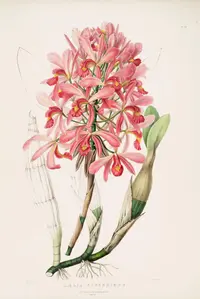
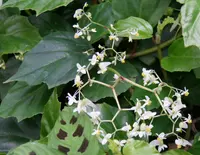
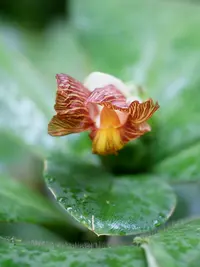
It produces compact clusters of white, tubular flowers with yellow markings at the tips of short stalks that rise just above or within the foliage, instead of tall, conspicuous flower spikes seen in many other gingers.

Botan icon

Did you know?

In some horticultural references this species has been treated as a form or variety of closely related shell gingers, which reflects ongoing taxonomic discussion about how finely to split species within the Alpinia lineage.

FAQs about Alpinia formosana

This species produces nectar-rich flowers that attract bees, small native bees, and sometimes butterflies. In warm climates, it can support local pollinator activity and benefit from their visits, which helps improve flower and seed set.

Grow Healthy Plants with Botan Care

Keep your plants happy and healthy with plant identification, disease detection, and easy care guidance.

Botan plant care app — identify plants on mobile

Explore More Plants