

creeping tree fern Care (Alsophila colensoi)

Also known as: mountain tree fern, golden tree fern
creeping tree fern

About creeping tree fern

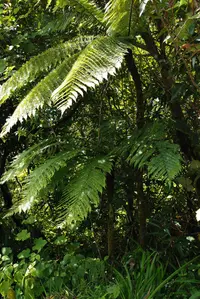
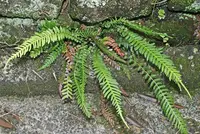
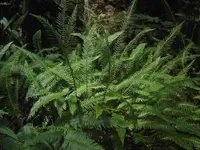
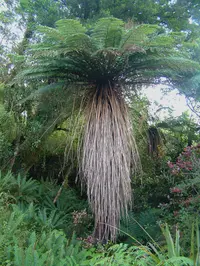
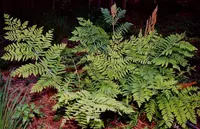
Creeping tree fern (Alsophila colensoi) is an evergreen fern from cool, moist forests of New Zealand. It forms a low, creeping trunk with arching fronds that create a soft, layered canopy.

The plant spreads slowly along the ground rather than forming a tall trunk, giving it a lush, ground-hugging habit. Its fine-textured foliage offers a delicate, woodland look.

This species prefers cool, humid, shaded environments with consistently moist, well-drained, organic-rich soil. These needs make it more challenging in hot, dry, or exposed gardens.

Understanding how to care for creeping tree fern starts with providing shelter from harsh sun and wind, steady moisture, and protection from extreme heat or frost.

Main Plant Requirements

Care Difficulty

Hard Care

Light Preference

Partial Shade

Water Requirements

Keep Soil Moist

Temperature Preference

Cool Climate

Hardiness Zone

8–10

Soil Texture

Loamy, Peaty, Organic-rich

Soil pH

Strongly acidic (4.5–5.5), Acidic (5.5–6.5)

Soil Drainage

Moist but well-drained

Fertilization

Minimal (feed rarely)

Get Personalized Care Plan

Scan your plant to receive care tips personalized for your specific plant

Available on iOS and Android

How to Care for the creeping tree fern

Alsophila colensoi prefers cool, shaded forest-like light rather than open sun exposure.

  • Provide bright, dappled or filtered light under trees or shade cloth, with 1–3 hours of gentle morning sun and no direct afternoon sun.
  • Aim for conditions similar to a moist woodland edge; the creeping tree fern thrives in partial to full shade as long as there is ambient brightness for 6–8 hours.
  • Monitor fronds for bleaching, crisp edges, or bronzing, which indicate too much sun; unusually sparse, elongated fronds suggest insufficient light.

This fern favors consistently moist, cool soil without becoming waterlogged.

  • Water when the top 2–3 cm of soil feel barely dry, then soak the root zone thoroughly so moisture reaches the full planting depth.
  • Use rich, humus-heavy soil that drains freely; standing water or sour odor around the crown suggests overwatering and potential root rot.
  • In hot, windy, or very dry weather, check moisture daily; drooping, slightly curling fronds suggest underwatering, while yellowing bases can indicate chronic excess moisture.

This species prefers mild, consistently cool conditions similar to a shaded, moist forest.

  • Aim for 50–70°F (10–21°C) for steady growth, avoiding rapid swings; cooler nights within this band are tolerated well.
  • Short dips to about 25–28°F (-4 to -2°C) may be survived with mulch around the root area, but repeated hard frosts can damage fronds.
  • Heat above 80°F (27°C) stresses the plant; increase shade, humidity, and soil moisture during hot spells to prevent frond scorch and decline.

This fern needs high, stable humidity to maintain healthy fronds.

  • Aim for 60–80% humidity; creeping tree fern struggles in rooms below about 50%.
  • Crisping tips, rolled new fronds, and slow unfurling indicate humidity stress rather than underwatering.
  • Use grouped plants, a room humidifier, or a wide pebble tray under the pot to raise local humidity around the foliage.

Alsophila colensoi prefers a moist, airy, organic-rich medium that never becomes waterlogged.

  • Use a loose mix of roughly 50–60% fine bark and compost with 20–30% perlite to keep the root zone well aerated.
  • Aim for slightly acidic to neutral pH, around 5.5–7.0, which supports nutrient uptake and healthy root growth.
  • Incorporate leaf mold or coco coir to mimic forest floor humus and help the soil retain even moisture without becoming sticky.
  • Avoid heavy clay, compacted mixes, or pure peat that stay saturated and exclude oxygen around the fine feeder roots.

This species can grow in containers if the pot supports its spreading, shallow root system and frond weight.

  • Choose a wide, relatively shallow, heavy pot that resists tipping as the crown and fronds extend outward.
  • Select a material like terracotta only if you can compensate for faster drying by monitoring moisture closely.
  • Raise the container slightly on pot feet so excess water drains quickly and the lower root zone does not sit in runoff.

Alsophila colensoi responds to modest, consistent nutrition rather than heavy feeding.

  • Use a balanced, dilute liquid fertilizer (for example 10-10-10 at 1/4–1/2 strength) during active growth in spring and summer.
  • Feed every 4–6 weeks if growth is steady, skipping applications if fronds look stressed or pale from other causes.
  • Supplement with a thin layer of mature compost over the root zone once in spring instead of frequent high-salt feeds.
  • Stop feeding in late fall and winter, as the plant slows and excess nutrients can damage roots.

Pruning Alsophila colensoi focuses on hygiene and safety around the crown, not reshaping the plant.

  • Best time for light pruning is late winter to early spring, before strong new frond growth begins.
  • Remove only dead, diseased, or badly damaged fronds at the base using clean, sharp pruners or a pruning saw.
  • Thin out crowded, low fronds that trap debris to improve air movement and reduce fungal problems.
  • Avoid cutting into the central crown or live trunk tissue, as this can permanently stunt or kill the fern.

This creeping tree fern dislikes frequent disturbance, so transplant only when clearly necessary.

  • Look for roots circling the pot, water running straight through, or noticeably slowed growth as signs it needs more space.
  • Plan transplanting for early spring, allowing a full growing season for recovery and new root development.
  • Move into a container or ground site only 1 size larger, using a loose, moisture-retentive, slightly acidic mix.
  • Handle the root ball gently, keep it at the same depth, water thoroughly, then shade and shelter for 1–2 weeks to reduce stress.

Alsophila colensoi is usually propagated from spores and is considered technically challenging for home growers.

  • Collect ripe brown spores from the underside of mature fronds in late summer or early fall.
  • Sow spores on sterile, fine, moist peat-based mix, then cover to maintain 95–100% humidity and stable warmth around 70–75°F.
  • Provide bright, indirect light and avoid surface drying; germination and prothalli formation may take several weeks to months.
  • Transplant tiny fernlets only when several true fronds have formed, disturbing roots as little as possible.

Alsophila colensoi prefers mild, frost-free winters and benefits from protection in colder climates.

  • In regions below about 25°F, grow in containers and move plants into a cool, bright, frost-free space for winter.
  • Apply 5–8 cm of organic mulch around the root zone, keeping it away from the crown to reduce rot risk.
  • In marginal climates, wrap the trunk loosely with breathable frost cloth and tie fronds upward to shield the crown.

Care Tips

Rhizome Positioning

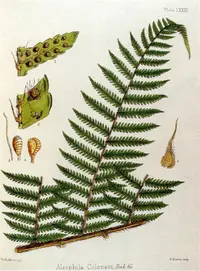
Plant the creeping rhizome just at or slightly above the soil surface and keep older sections mulched but not buried, which reduces rot risk and encourages new frond buds along the rhizome.

Frond Support Setup

Install low, discreet hoops or short stakes around the plant to support long fronds in windy or high-traffic spots, preventing mechanical damage to the frond bases and growing tip.

Cool-Root Management

In warm climates, use a thick, airy mulch layer and light-colored pots or ground cover to keep the root zone cooler than the air, as this species tolerates cool roots better than hot, compacted soil.

Microclimate Wind Shield

Create a sheltered microclimate with shade cloth, taller shrubs, or fencing that breaks strong winds, which helps reduce frond shredding and desiccation in this fine-textured fern.

Gradual Site Shifting

If relocating the plant, shift it in stages over several weeks or adjust shade structures gradually, so light and airflow change slowly and the plant adapts without severe frond shock while growing creeping tree fern.

Common Pests and Diseases

Scale insects

This pest often settles along the fern’s midribs and stipes, sucking sap and causing yellowing, speckling, and weakened fronds. Symptoms include sticky honeydew and sooty mold on the fronds under still, humid conditions.

Solution

Remove heavily infested fronds and gently scrape or wipe scales off with a cotton pad dipped in diluted alcohol or insecticidal soap, taking care not to damage the soft tissues. Improve air movement around the plant and repeat treatments every 7–10 days until new growth appears clean, which is a key part of Alsophila colensoi care instructions.

Fern aphids

These insects cluster on soft new croziers and the undersides of young fronds, where they distort growth and cause pale, curled tips. Sticky honeydew may appear on lower fronds or nearby surfaces.

Solution

Rinse affected fronds thoroughly with a strong but gentle stream of water, then treat remaining colonies with insecticidal soap, ensuring full coverage of undersides. Monitor new flushes of growth and repeat light treatments rather than using harsh systemic chemicals that can stress delicate fern tissue.

Rhizoctonia crown blight

This disease affects the crown and upper rhizome, especially in warm, wet, poorly ventilated conditions, leading to browning and collapse of emerging fronds. Symptoms include soft, darkened tissue at the crown and a rapid decline in new growth.

Solution

Cut away and discard all affected fronds and soft crown tissue, then allow the surface to dry slightly between waterings while maintaining overall humidity. Improve drainage and airflow, avoid overhead watering, and if needed drench the crown area with a labeled fungicide suitable for ornamental ferns to protect remaining healthy tissue.

Bacterial leaf spot

This disease produces small, water-soaked spots on fronds that turn brown or black and may coalesce, giving a scorched appearance, particularly on older fronds. Symptoms include irregular lesions often surrounded by a yellowish halo under persistently wet conditions.

Solution

Remove and discard affected fronds, avoid splashing water on the foliage, and water at the soil level in the morning so fronds dry quickly. Increase spacing and air circulation around the plant, and in severe or recurring cases use a copper-based bactericide labeled for ornamental ferns, following directions carefully to avoid leaf burn.

Interesting Facts

New Zealand forest specialist

This species is native to cool, wet forests of New Zealand, where it often grows along streams and in deep gullies, forming dense stands in high-rainfall areas.

Creeping trunk habit

Instead of forming a single upright trunk like many tree ferns, it has a creeping, sometimes branching trunk that can sprawl over rocks, banks, or rotting logs, allowing it to colonize uneven ground.

Shade and moisture adaptation

Its finely divided fronds and thick fibrous trunk are adapted to low light and constantly moist conditions, helping it maintain hydration in cloud forests and sheltered ravines.
Botan icon

Did you know?

In parts of New Zealand, this fern often acts as a natural nurse plant, with its fibrous trunk and moist, shaded microhabitat providing a safe establishment site for mosses, liverworts, and seedlings of other forest plants.

FAQs about creeping tree fern

Growth is moderately slow. Expect fronds to lengthen and the creeping trunk to extend a few cm each year in good conditions. Consistent moisture, cool mild temperatures, and shelter from harsh sun or wind support steady development.

Grow Healthy Plants with Botan Care

Keep your plants happy and healthy with plant identification, disease detection, and easy care guidance.


Botan plant care app — identify plants on mobile

Explore More Plants