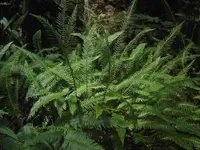
soft tree fern Care (Alsophila smithii)

Also known as: Golden Tree Fern
soft tree fern

About soft tree fern

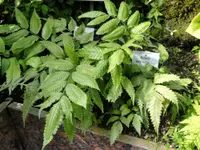
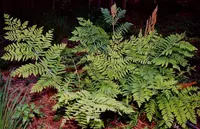
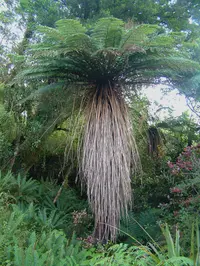
The soft tree fern, Alsophila smithii, is an evergreen tree fern native to moist forests of New Zealand. It forms a slender trunk topped with a rosette of finely divided, arching fronds. New fronds often emerge softly hairy, giving the plant its common name and a delicate, feathery look. Growth is usually slow to moderate, especially in containers. This fern prefers cool, humid, sheltered conditions with consistently moist, rich soil and protection from harsh sun and drying winds. These traits make it rewarding but somewhat demanding, so learning how to care for soft tree fern is important for long-term success.

Main Plant Requirements

Care Difficulty

Hard Care

Light Preference

Partial Shade

Water Requirements

Keep Soil Moist

Temperature Preference

Cool Climate

Hardiness Zone

8–10

Soil Texture

Loamy, Peaty, Organic-rich

Soil pH

Acidic (5.5–6.5)

Soil Drainage

Moist but well-drained

Fertilization

Minimal (feed rarely)

Get Personalized Care Plan

Scan your plant to receive care tips personalized for your specific plant

Available on iOS and Android

How to Care for the soft tree fern

This fern prefers cool, moist woodland-style light rather than strong open sun.

  • Provide 2–4 hours of gentle morning sun with bright dappled or filtered light for the rest of the day, similar to a sheltered forest edge.
  • Avoid direct midday and afternoon sun, which can scorch soft tree fern fronds, causing pale patches, crisp tips, and rapid frond decline.
  • In summer, increase shade or use overhead filtering when light intensifies; in winter, allow a bit more open sky exposure to compensate for low sun angle.

This species needs consistently moist but not waterlogged soil around its root zone and trunk base.

  • Water whenever the top 2–3 cm of soil feel barely moist, aiming for evenly damp soil that never fully dries out, especially during active growth.
  • Use deep, slow watering so moisture penetrates 15–20 cm, and ensure soil drains freely; avoid standing water around the crown to reduce rot risk.
  • In cooler months reduce volume but not frequency, watching for drooping, crisp fronds as underwatering signs and blackened, limp bases as overwatering signs.

This fern is cool-temperate and prefers mild, frost-sheltered conditions year-round.

  • Aim for 55–70°F (13–21°C) for steady growth; short periods up to 75°F (24°C) are tolerated if humidity and soil moisture stay high.
  • Protect from frost; damage often begins around 30°F (-1°C), and prolonged exposure below 28°F (-2°C) can kill the crown and new fronds.
  • In hot spells above 75°F (24°C), increase shade, mulch the root area, and maintain soil moisture to prevent heat stress and frond scorch.

This fern needs consistently moist air to maintain healthy fronds and new growth.

  • Aim for 60–80% humidity, as soft tree fern is adapted to cool, damp forest environments.
  • Brown, crisp frond tips and stalled frond expansion indicate air that is too dry.
  • Increase humidity with daily misting, grouped plants, and a wide pebble tray kept topped with water below the pot.

Alsophila smithii prefers a loose, humus-rich medium that stays evenly moist yet drains freely.

  • Use a mix of roughly 50% peat-free compost, 30% fine bark, and 20% perlite or pumice for structure and aeration.
  • Ensure fast drainage but moisture retention by avoiding dense, clay-heavy garden soil that compacts around roots.
  • Target slightly acidic to neutral pH, around 5.5–7.0, which supports nutrient uptake and healthy root function.
  • Improve aeration by incorporating chunky bark and avoiding over-firm packing of the mix, especially near the root crown.

This species can be grown in containers if the pot supports its moisture needs and upright growth.

  • Choose a tall, heavy container to counterbalance the developing trunk and prevent wind tipping outdoors.
  • Select a pot material that retains some moisture, such as thick plastic or glazed ceramic, to slow surface drying.
  • Raise the container slightly on feet or pot risers so drainage water clears quickly and roots do not sit in runoff.

This fern benefits from light, consistent feeding rather than heavy fertilization.

  • Use a balanced liquid fertilizer (around 10-10-10) diluted to 1/4–1/2 strength for caring for soft tree fern in containers or sheltered beds.
  • Feed every 4–6 weeks during the active growing season, when new fronds are expanding.
  • Avoid fertilizing in winter or when growth is very slow, as salts can build up in the root zone.
  • Supplement with a thin layer of fine compost over the root area in spring instead of strong chemical products.

Pruning Alsophila smithii focuses on tidying dead growth while keeping the crown intact.

  • Best time is late winter to early spring, before strong new growth begins.
  • Use clean, sharp pruners or a pruning saw to remove dead, yellowing, or damaged fronds at the base.
  • Thin out crowded, inward-facing old fronds to improve air movement and highlight the trunk structure.
  • Avoid cutting into the central crown, as this is where all new fronds emerge.

This fern dislikes frequent disturbance, so repotting or transplanting should be infrequent and careful.

  • Consider moving Alsophila smithii only when roots circle the pot, water runs straight through, or growth slows despite good care.
  • Plan transplants or repotting for early spring, before vigorous frond expansion, about every 3–5 years at most.
  • Lift with as much root ball and surrounding soil as possible, keeping roots shaded and moist during the process.
  • Replant at the same depth in a sheltered, consistently moist site, then water thoroughly and shade from strong sun for several weeks.

Propagation of this species is possible but slow and usually handled by experienced growers.

  • Most Alsophila smithii plants are raised from spores rather than division, since the trunk does not form easy offsets.
  • Collect mature spores from the underside of fronds in late summer and sow on sterile, moist, fine-textured medium.
  • Keep containers covered, at 65–75°F with bright, indirect light and very high humidity for many weeks.
  • Once prothalli and tiny fernlets appear, gradually increase ventilation and separate young plants only after strong root development.

This fern prefers mild, frost-free winters and needs protection in colder climates.

  • Alsophila smithii is sensitive to hard freezes and typically tolerates only brief light frosts.
  • In the ground, apply a 5–10 cm layer of loose mulch around the root zone, keeping material off the crown.
  • Wrap the trunk loosely with breathable horticultural fleece in areas with repeated frosts.
  • In containers, move plants into a cool, bright, frost-free space before temperatures drop near freezing.

Care Tips

Protect Tender Trunk

Wrap the trunk with breathable frost cloth or hessian in cold snaps and mulch heavily around the base to protect the shallow crown and roots from chilling damage.

Gradual Wind Acclimation

Shelter new plants from wind for the first season, then slowly expose them by removing barriers or shifting pots to slightly breezier spots to encourage a sturdier trunk without tearing fronds.

Targeted Frond Grooming

Remove only browned or badly damaged fronds at the base with clean, sharp pruners to reduce fungal harboring while preserving as much photosynthetic surface as possible.

Trunk Moisture Management

In active growth, occasionally hose down the trunk and inner crown in the morning to keep the fibrous trunk evenly moist, but avoid allowing water to pool in the crown for long periods.

Cool-Season Growth Check

In late winter, inspect the crown for firm, developing croziers (young coiled fronds) and adjust mulch, shade, or wind protection before spring to create a stable start for growing soft tree fern outdoors.

Common Pests and Diseases

Scale insects

This pest attaches to fronds and stipes, sucking sap and leaving yellow spots, sticky honeydew, and sooty mold on the soft tree fern foliage. Heavy infestations can weaken growth and cause frond dieback.

Solution

Remove heavily infested fronds and gently scrape or wipe scales from stipes with a soft cloth soaked in diluted insecticidal soap or horticultural oil. Improve air movement around the crown and repeat treatments every 7–10 days until new growth appears clean, following product labels carefully for fern-safe use.

Fern aphids

These insects cluster on the undersides of young fronds and around the unfurling croziers, causing distortion, pale foliage, and sticky honeydew that can attract sooty mold. Tender new growth is the most affected and may remain stunted if not controlled.

Solution

Rinse colonies off with a firm but gentle stream of water, focusing on young fronds and the crown. If populations persist, apply a ready-to-use insecticidal soap or dilute neem oil to both sides of the fronds in the evening, repeating weekly until no aphids are visible and monitoring closely during active growing soft tree fern periods.

Fern scale (soft scale)

This pest forms small, slightly raised brown or tan bumps on stipes and older fronds, often going unnoticed until fronds lose vigor and yellow. These soft scales excrete honeydew, which can lead to black sooty mold on the delicate fern foliage.

Solution

Isolate affected plants, prune out the worst-infested fronds, and wipe remaining bumps with cotton pads dipped in 70% isopropyl alcohol, testing a small area first. Follow up with light horticultural oil sprays to coat any remaining scales, ensuring thorough coverage of stipes and midribs while keeping the crown from remaining wet for long periods.

Leaf spot fungi

This disease causes small brown, tan, or black spots on pinnae that may expand and merge, giving fronds a scorched or blotchy appearance, especially under cool, damp, and crowded conditions. Symptoms include premature browning and shedding of older fronds while the crown can remain green.

Solution

Remove and discard affected fronds, avoid overhead watering, and water at the soil level to keep foliage dry. Improve spacing and airflow around the plant, then apply a fern-safe copper or sulfur-based fungicide if spotting continues, treating new fronds preventively during prolonged humid spells.

Bacterial blight

This disease starts as water-soaked, translucent lesions on young fronds and around the crown, which can quickly turn dark and mushy in persistently wet, warm conditions. Symptoms include a foul smell from rotting tissue and rapid collapse of new growth if the infection reaches the growing point.

Solution

Immediately cut away all affected tissue with sterilized tools, disposing of debris in the trash, and keep the crown dry by watering at the trunk base rather than over the top. Improve drainage and airflow, reduce misting, and in collection settings consider a copper-based bactericide labeled for ornamental ferns, monitoring closely for any new soft, dark areas around the crown.

Interesting Facts

New Zealand cloud-forest fern

This species is naturally restricted to cool, wet forests of New Zealand, where it often grows in cloudy, high-rainfall areas from lowland to montane zones.

Slender, shaggy trunk

Unlike many massive tree ferns, it develops a relatively thin, upright trunk that is often covered with persistent old stipe bases and fibrous material, giving it a distinctly shaggy appearance.

Spores, not seeds

Reproduction occurs via microscopic spores produced in sori on the underside of the fronds, which need consistently moist conditions to germinate and form the small, heart-shaped gametophyte stage.

Botan icon

Did you know?

This species often establishes in very shaded, moist gullies and can act as a structural understory element that creates a sheltered, humid microclimate, allowing more delicate shade plants and seedlings of forest trees to survive beneath its arching fronds.

FAQs about soft tree fern

Fronds often brown from low humidity, drying out at the root ball, or excess sun and wind. Check soil moisture, increase humidity, and provide shelter from harsh exposure to stabilize this moisture-sensitive species.

Grow Healthy Plants with Botan Care

Keep your plants happy and healthy with plant identification, disease detection, and easy care guidance.

Botan plant care app — identify plants on mobile

Explore More Plants