Alsophila borbonica Care

Alsophila borbonica

About Alsophila borbonica

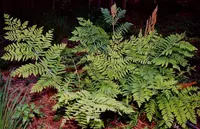
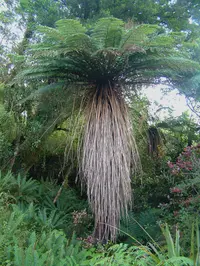
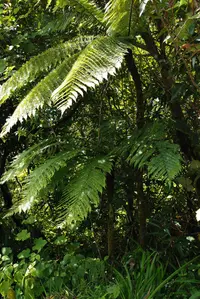
Alsophila borbonica is a tree fern, forming a single upright trunk topped with a crown of finely divided, arching fronds. It has a distinctly tropical, architectural look that suits bright, sheltered gardens or spacious indoor spaces.

This species is native to Réunion and nearby islands in the western Indian Ocean, where it grows in humid, shaded forests. It prefers consistent moisture, well‑drained but rich soil, and protection from harsh sun or drying winds.

Alsophila borbonica can be moderately challenging, as it dislikes drying out or sudden changes in temperature and humidity. Gardeners who learn how to care for Alsophila borbonica usually find it steady and long‑lived under stable conditions.

Main Plant Requirements

Care Difficulty

Hard Care

Light Preference

Partial Shade

Water Requirements

Keep Soil Moist

Temperature Preference

Tropical / Frost Sensitive

Hardiness Zone

10–11

Soil Texture

Loamy, Peaty, Organic-rich

Soil pH

Acidic (5.5–6.5)

Soil Drainage

Moist but well-drained

Fertilization

Light (every 4–6 weeks)

Get Personalized Care Plan

Scan your plant to receive care tips personalized for your specific plant

Available on iOS and Android

How to Care for the Alsophila borbonica

This tree fern prefers bright, filtered light that mimics a forest understory.

  • Provide 3–5 hours of gentle morning sun with dappled or bright shade for the rest of the day, avoiding harsh midday and afternoon sun that can scorch fronds.
  • Grow Alsophila borbonica where overhead trees, shade cloth, or a north/east-facing exposure soften direct rays while still giving enough ambient light for strong frond production.
  • In summer, increase shade during heatwaves; in winter, allow a bit more direct morning sun if possible to compensate for shorter, lower-light days.

This species needs steadily moist but never waterlogged soil around its fibrous root zone.

  • Water when the top 2–3 cm of soil feels just starting to dry, aiming to keep the root area consistently damp, not saturated, during active growth.
  • Use deep, slow watering so moisture reaches 15–20 cm down, then let excess drain completely to avoid stagnant water and root rot in heavy soils.
  • Reduce frequency in cool seasons while preventing complete drying; crisping frond tips indicate underwatering, while yellowing, limp fronds with a sour smell suggest overwatering.

This fern thrives in mild, frost-free conditions with stable, moderate temperatures.

  • Aim for 60–77°F (16–25°C) for best growth, as sustained temperatures in this range support active frond production and healthy root function.
  • Protect it from frost; damage usually begins below 32°F (0°C), and prolonged exposure below 28°F (-2°C) can kill the crown, especially in exposed positions.
  • In hot spells above 86°F (30°C), increase shade, humidity, and soil moisture while avoiding hot, drying winds that can scorch fronds and stress the plant.

This species needs consistently moist air to maintain healthy fronds and growth.

  • Aim for 60–80% humidity, as Alsophila borbonica originates from humid forest habitats.
  • Dry indoor air causes browning frond tips, curling pinnae, and slowed unfurling of new fronds.
  • Increase humidity with grouped plants, a large pebble tray under the pot, or a cool-mist humidifier placed nearby.

This fern prefers a loose, humus-rich, evenly moist substrate that drains freely yet retains moisture.

  • Use a mix of 50% peat or coco coir, 25% fine bark, and 25% perlite or pumice for structure and aeration.
  • Aim for slightly acidic soil with pH 5.5–6.5 to support nutrient availability and root health.
  • Ensure rapid drainage so water does not pool; water should flow through within seconds rather than sit on the surface.
  • Avoid heavy clay, compacted garden soil, or mixes with high sand content that either stay waterlogged or dry out too quickly.

This tree fern can be grown in containers if the pot supports deep, stable root and trunk development.

  • Choose a tall, weighty container that lowers the center of gravity to prevent the top-heavy crown from tipping in wind.
  • Select a pot material with moderate moisture retention, such as thick plastic or glazed ceramic, to buffer against rapid drying of the fibrous root mass.
  • Position the container where it will not be exposed to strong, channelled wind that can rock and loosen the root ball over time.

This tree fern benefits from light, consistent feeding rather than heavy fertilization.

  • Use a balanced liquid fertilizer (around 10-10-10) at 1/4–1/2 strength during active growth in spring and summer.
  • Apply every 4–6 weeks to moist soil, never to dry roots, to avoid fertilizer burn.
  • Incorporate a thin layer of compost on the soil surface once per year as a slow nutrient source.
  • Reduce feeding to 1 very light application in fall and stop during winter dormancy.

Pruning focuses on hygiene and maintaining a clean trunk rather than reshaping the fern.

  • Best time is late winter or early spring before strong new frond growth starts.
  • Remove only dead, yellowing, or damaged fronds by cutting close to the trunk with clean, sharp pruners.
  • Thin out heavily crowded old fronds to improve light and air flow around the crown of Alsophila borbonica.
  • Disinfect tools before and after pruning to limit disease spread through fresh cuts.

Container-grown plants need careful transplanting, as this fern dislikes major root disturbance.

  • Plan to move to a slightly larger pot or ground site every 3–4 years, ideally in spring.
  • Check for roots circling the pot, water draining too fast, or slowed growth as signs it needs transplanting.
  • Lift the root ball gently, keep as much soil intact as possible, and avoid breaking the main roots.
  • Replant at the same depth in a shaded, moist, well-drained medium, then water thoroughly and keep sheltered for 1–2 weeks.

Propagation of this species is possible but slow and better suited to patient growers.

  • Most propagation uses spores, collected from mature, brown sori on the frond undersides.
  • Sow spores on sterile, fine, moist medium in shallow trays in late spring or early summer.
  • Maintain high humidity, gentle bottom warmth around 70–75°F, and low, indirect light for germination.
  • Keep the surface evenly moist and only transplant delicate young ferns once several true fronds have formed.

This fern is frost sensitive and needs protection in regions with cold winters.

  • In areas below about 30°F, grow Alsophila borbonica in containers so it can be moved indoors or to a greenhouse.
  • Keep indoor plants in cool, bright, frost-free conditions and slightly reduce watering.
  • Outdoors, apply 5–10 cm of organic mulch around the root zone, keeping it away from the trunk.
  • In marginal climates, wrap the crown and upper trunk in breathable frost cloth during cold snaps.

Care Tips

Stabilize the trunk

Install a discreet stake or bamboo cane on the windward side of the plant and loosely tie the trunk in 2–3 places with soft ties to prevent wind rock, which can damage young roots and destabilize the crown.

Protect the crown

When mulching or adding compost, keep all material slightly away from the crown so new fronds can emerge freely and water does not sit in the growing point, which helps prevent rot.

Seasonal frond management

Remove only fully dead or badly damaged fronds at the base with clean, sharp pruners in late winter so the plant keeps enough green fronds for energy while you maintain good air flow around the trunk.

Cold weather shielding

In areas with occasional light frost, loosely wrap the upper trunk and crown with breathable horticultural fleece or burlap on the coldest nights, then remove it promptly once temperatures rise to avoid trapped moisture.

Container root monitoring

For potted plants, check the drainage holes and the top 2–3 in of the mix every few months, and move the plant to a slightly larger, heavy container before roots circle tightly, which supports long-term stability when caring for Alsophila borbonica.

Common Pests and Diseases

Scale insects

This pest often settles along the stipe and midribs, sucking sap and causing yellowing, weakened fronds, and sticky honeydew. Symptoms include sooty mold developing on the honeydew in humid, sheltered fern settings.

Solution

Wipe infested areas with a cotton pad dipped in diluted alcohol or insecticidal soap, then rinse gently with water to protect the delicate fronds. For heavier infestations, repeat treatments weekly for several weeks and improve air circulation around the crown to reduce re-infestation while caring for Alsophila borbonica.

Spider mites

These insects favor the fine, divided fronds in warm, dry indoor air, causing stippling, dull foliage, and fine webbing between pinnae. This pest can rapidly weaken the fern if humidity is low and fronds are not regularly rinsed.

Solution

Increase humidity to 60–70%, then hose or shower the fronds thoroughly, focusing on the undersides. Follow with a miticidal soap or horticultural oil spray at 7–10 day intervals, keeping the plant out of direct sun until foliage dries.

Rhizoctonia crown rot

This disease attacks the central crown and emerging croziers, leading to brown, sunken lesions, stunted new fronds, and collapse of the plant from the growing point. Symptoms include a foul smell and soft, discolored tissue at the base of the fronds when conditions are warm and chronically moist.

Solution

Remove and discard all affected fronds and soft crown tissue, cutting back to firm, healthy tissue with a sterile blade. Allow the surface to dry slightly between waterings, improve drainage and airflow, and, in severe cases, apply a fungicide labeled for Rhizoctonia on ferns according to the product instructions.

Pythium damping-off

This disease primarily affects young plants and spores, causing blackened, water-soaked bases, sudden seedling collapse, and poor establishment of new crowns. Symptoms include thinning trays of juvenile ferns where stems pinch at the soil line.

Solution

Discard heavily affected seedlings and avoid reusing contaminated media or trays. Use a sterile, free-draining substrate, water from below or in the morning to allow faster drying, and if needed drench with an appropriate systemic fungicide in nursery settings.

Leaf tip burn

This disorder is common in cultivated tree ferns when exposed to hard tap water, fertilizer salts, or hot, dry air, resulting in brown, crisping tips and margins on older fronds. Symptoms include otherwise healthy green fronds with progressive browning from the edges inward.

Solution

Switch to rainwater, distilled, or filtered low-mineral water and reduce fertilizer strength to half or less, applied only in the growing season. Raise humidity, keep the root zone evenly moist but not waterlogged, and trim only the fully dead brown tissue to avoid further stress to the fronds.

Interesting Facts

Mascarene island endemic

Alsophila borbonica is naturally restricted to the Mascarene Islands in the Indian Ocean, especially Réunion and Mauritius, where it grows in humid montane forests and ravines.

Distinctive crown architecture

This tree fern forms a single, erect trunk with a relatively narrow crown of arching fronds, giving it a more columnar, upright appearance than many broader-crowned Alsophila species found in similar habitats.

Cloud forest specialist

In the wild it typically occupies moist, cool to mild elevations influenced by frequent clouds and mist, relying on consistently high air humidity and filtered light within dense forest canopies.

FAQs about Alsophila borbonica

This species performs best outdoors in mild, humid, frost-free climates, where it can reach full size and form a strong trunk. Indoors, growth is slower and more compact, requiring high humidity and careful light management for success.

Grow Healthy Plants with Botan Care

Keep your plants happy and healthy with plant identification, disease detection, and easy care guidance.

Botan plant care app — identify plants on mobile

Explore More Plants