bamboo fern Care (Coniogramme japonica)

Also known as: Japanese Bamboo Fern
bamboo fern

About bamboo fern

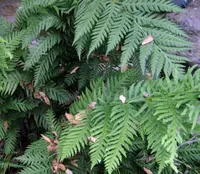
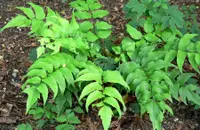
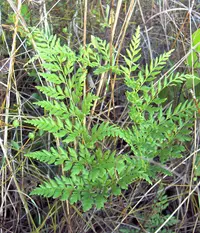
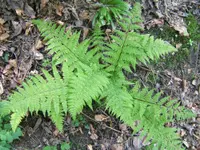
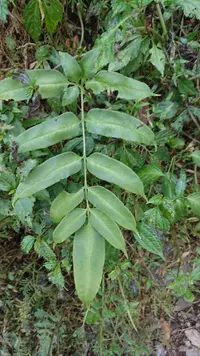
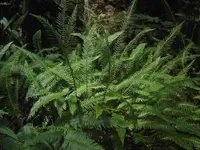
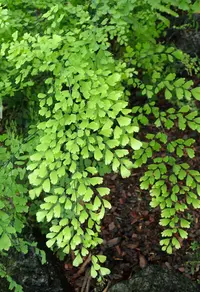
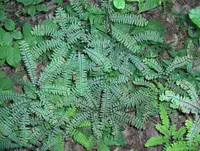
Bamboo fern (Coniogramme japonica) is a clump-forming, rhizomatous fern valued for its long, arching fronds and bamboo-like leaf segments. It brings a soft, layered texture to shaded spaces. Native to woodland areas of East Asia, it naturally grows in moist, humus-rich soil under tree canopies, where light is filtered and temperatures are moderate. This background makes it well suited to sheltered gardens and shaded indoor spots. The plant is considered moderately easy when its need for consistent moisture and shade is respected. Those who care for bamboo fern should focus on steady humidity, good drainage, and protection from strong sun or drying winds.

Main Plant Requirements

Care Difficulty

Moderate Care

Light Preference

Partial Shade

Water Requirements

Keep Soil Moist

Temperature Preference

Warm Climate

Hardiness Zone

7–10

Soil Texture

Loamy, Silty, Organic-rich

Soil pH

Acidic (5.5–6.5), Slightly acidic (6.5–7.0)

Soil Drainage

Moist but well-drained

Fertilization

Light (every 4–6 weeks)

Get Personalized Care Plan

Scan your plant to receive care tips personalized for your specific plant

Available on iOS and Android

How to Care for the bamboo fern

This woodland fern prefers soft, indirect light that mimics dappled forest shade.

  • Provide bright, dappled shade or light filtered through trees; 2–4 hours of gentle morning sun is acceptable, but avoid harsh midday and afternoon sun.
  • Plant bamboo fern on an east or north side or under high, open shade where it receives consistent indirect light through the day.
  • Watch fronds for feedback: pale, scorched tips indicate too much sun, while sparse, stretched growth suggests too little light, especially in winter.

This fern thrives in evenly moist, never soggy soil with consistent moisture around the roots.

  • Water when the top 2–3 cm of soil feel slightly dry, aiming for soil that stays lightly moist, especially during active growth in spring and summer.
  • Ensure rich, humus-based soil with good drainage; standing water or heavy clay increases risk of root rot and blackened, mushy rhizomes.
  • Reduce watering slightly in cooler months, but do not let Coniogramme japonica dry out completely; wilting or crisping frond edges signal underwatering.

This species prefers mild, stable temperatures and dislikes both hard frost and intense heat.

  • Aim for 60–75°F (16–24°C) during the growing season for best frond development and steady growth.
  • It generally tolerates brief drops to about 25°F (−4°C) once established, but repeated hard freezes can damage fronds and young crowns.
  • In summer, protect from hot, dry sites above 85°F (29°C); provide shade and mulch to keep roots cool and reduce heat stress on the foliage.

This fern prefers consistently moist air and reacts quickly to dry conditions.

  • Aim for 60–80% humidity; it tolerates brief dips to 40–50% but growth slows and fronds may brown at the edges.
  • Watch for curled tips, crispy leaflet margins, and stalled new fronds as signs of humidity stress in bamboo fern.
  • Increase humidity with a nearby humidifier, a wide pebble tray under the pot, or grouping plants to create a moister microclimate.

This species needs loose, moisture-retentive but airy soil that mimics a woodland floor.

  • Use a mix of roughly 50% peat-free compost, 30% fine bark, and 20% perlite to create a fibrous, organic-rich structure.
  • Ensure drainage is steady, not rapid; soil should stay evenly damp but never waterlogged or compacted around the rhizomes of Coniogramme japonica.
  • Target a slightly acidic to neutral pH around 6.0–7.0, which supports nutrient availability and healthy root activity.
  • Improve aeration by avoiding heavy clay, adding extra bark or perlite, and breaking up dense garden soil before use.

This fern adapts well to container growing when moisture and stability are managed carefully.

  • Choose a squat, wide pot to accommodate its spreading rhizomes and reduce the risk of the container tipping in wind.
  • Select thicker-walled terracotta or ceramic if extra weight is needed to stabilize lush top growth on exposed patios or balconies.
  • Use a nursery pot with side slits placed inside a cachepot to keep drainage fast while still maintaining a humid microclimate around the root zone.

Coniogramme japonica benefits from light, consistent feeding during its active growing season.

  • Use a balanced liquid fertilizer (such as 10-10-10) at 1/4–1/2 strength every 4–6 weeks in spring and summer.
  • Alternatively, mix a small amount of slow-release fertilizer into the topsoil at the start of spring for bamboo fern indoor care.
  • Avoid heavy feeding; ferns are sensitive to salt buildup, so flush the pot with plain water occasionally.
  • Stop feeding in fall and winter when growth slows, resuming only once new fronds appear.

Pruning Coniogramme japonica focuses on hygiene and maintaining a tidy clump rather than shaping.

  • Best time is late winter to early spring, before strong new growth starts.
  • Use clean, sharp scissors or pruners to remove dead, yellowing, or damaged fronds at the base.
  • Thin out a few crowded, old fronds to improve air flow and reduce fungal issues.
  • Avoid cutting healthy emerging fronds to preserve the plant’s natural arching habit.

Container-grown Coniogramme japonica appreciates occasional repotting to refresh soil and manage root growth.

  • Check for roots circling the pot, emerging from drainage holes, or noticeably slowed growth as signs it needs more space.
  • Plan repotting for early spring, every 2–3 years, when new growth is just starting.
  • Move to a pot 2–5 cm wider using a moisture-retentive, well-drained mix, handling the root ball gently.
  • Water thoroughly after repotting, keep in shaded, stable conditions for 1–2 weeks, and avoid fertilizing until recovery is evident.

Coniogramme japonica is most reliably propagated by division rather than from spores or seed in home conditions.

  • Divide mature clumps in early spring when new fronds are just emerging.
  • Lift the plant and separate the rhizomes into sections, each with several healthy fronds and strong roots.
  • Replant divisions at the same depth in evenly moist, humus-rich soil with light shade.
  • Keep humidity high and soil consistently damp, not waterlogged, until strong new growth confirms establishment.

Coniogramme japonica is moderately hardy but benefits from basic winter protection in colder climates.

  • In regions below about 20°F, treat it as a tender fern or grow in containers for easier management.
  • Apply a 5–8 cm layer of organic mulch around the root zone in late fall, keeping it slightly away from crowns.
  • For container plants, move pots to a sheltered, frost-free but cool, bright spot and reduce watering.

Care Tips

Rhizome division timing

Divide clumps in early spring just as new fronds emerge, taking hand-sized sections of rhizome with several buds to rejuvenate old plants and create vigorous new starts.

Mulch for shallow roots

Apply a 3–5 cm layer of fine composted bark around, but not on top of, the crown to keep shallow rhizomes cool, reduce moisture swings, and suppress competing weeds.

Shade-tolerant companions

Plant alongside low, non-aggressive groundcovers such as Epimedium or small hostas to protect the soil surface and maintain even moisture without overcrowding the fern crowns.

Slug and snail management

Place coarse grit, copper tape borders, or shallow beer traps around beds in early spring to protect emerging fronds from slug and snail damage before the canopy fills in.

Winter crown protection

In colder regions, leave spent fronds in place through winter or cover crowns with loose leaf litter to shield rhizomes from freeze–thaw cycles when caring for bamboo fern outdoors.

Common Pests and Diseases

Scale insects

This pest feeds on frond and stem sap, causing yellowing, speckling, and general decline, especially on sheltered, shaded plantings. Symptoms include sticky honeydew on leaves and nearby surfaces, sometimes followed by black sooty mold growth.

Solution

Gently wipe fronds and rachises with a soft cloth dipped in diluted insecticidal soap or horticultural oil, repeating every 7–10 days until new growth is clean. For outdoor clumps, encourage natural predators like lady beetles, and avoid nitrogen-heavy fertilization that promotes soft, scale-prone growth.

Fern aphids

These insects cluster on young fronds and undersides of leaflets, distorting new growth and causing pale, weakened foliage. Honeydew may accumulate, attracting ants and promoting sooty mold on the bamboo-like fronds.

Solution

Rinse colonies off with a firm but gentle stream of water, paying special attention to young unfolding fronds. If populations persist, apply insecticidal soap thoroughly to both upper and lower leaf surfaces in the cool part of the day and repeat as needed.

Rhizoctonia leaf blight

This disease causes irregular tan to dark brown lesions that can merge, leading to blighted patches on fronds, particularly in dense, humid plantings. Symptoms include rapid collapse of affected leaf sections and a tendency for damage to start near the soil line or crowded centers of the clump.

Solution

Remove and discard blighted fronds promptly, then thin crowded growth and improve air movement around the plant. Avoid overhead watering, keep foliage dry where possible, and in persistent cases drench the soil surface and lower foliage with a labeled fungicide suitable for ornamental ferns.

Pythium crown rot

This disease affects the crown and lower stalks, leading to wilting, stunted fronds, and eventual collapse despite moist soil. Symptoms include soft, water-soaked crown tissue and browning at the base of the fronds, especially in poorly drained or waterlogged sites.

Solution

Discard severely affected plants and improve drainage before replanting, using raised beds or well-draining containers if needed. For valuable clumps with early symptoms, reduce watering, avoid standing water around the crown, and consider a targeted soil drench with a Pythium-effective fungicide labeled for ornamental use.

Slug and snail damage

This pest complex feeds at night on tender new fronds, leaving ragged holes, shredded leaflet edges, and slime trails on or near the plant. Damage is most noticeable in moist, shaded sites that otherwise support good Coniogramme japonica plant care.

Solution

Hand-pick slugs and snails in the evening or early morning and remove damp hiding places such as dense ground litter near the crown. Use iron phosphate slug baits placed around, not on, the crown and maintain moderate mulch depth to reduce overly damp, pest-friendly conditions.

Interesting Facts

Bamboo-like leaf pattern

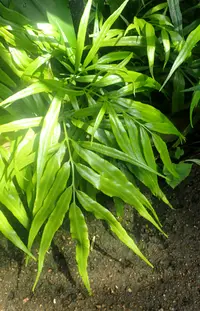
This fern has long, arching fronds with parallel dark green veins that resemble bamboo canes, which is why it is commonly called bamboo fern or bamboo-leaf fern.

Naturally variegated forms

Some cultivated forms show stable pale or yellow striping along the leaf blades, and these patterns are genetic rather than caused by nutrient deficiency or disease.

Moist woodland specialist

In its native East Asian range, this species typically grows on shaded, humus-rich slopes and stream banks, where constant moisture and filtered light support its spreading clumps.

Botan icon

Did you know?

Unlike many common house ferns that favor very fine, divided fronds, this species evolved broad, simple leaf blades, which allow it to intercept more diffuse light in the dim, forest-floor habitats it occupies.

FAQs about bamboo fern

Brown leaf tips or edges usually result from low humidity, chronic underwatering, or salt buildup from fertilizer. Improve humidity, water thoroughly but not constantly, and flush the potting mix occasionally to remove excess salts.

Grow Healthy Plants with Botan Care

Keep your plants happy and healthy with plant identification, disease detection, and easy care guidance.

Botan plant care app — identify plants on mobile

Explore More Plants