Spring crown cleanup
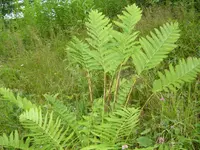
At the end of winter, gently remove dead fronds and leaf litter caught in the crown to reduce fungal build‑up while keeping a thin mulch layer over the roots for moisture and insulation.

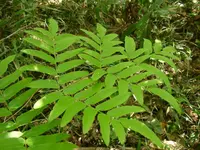
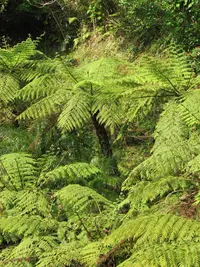
Japanese royal fern, Osmunda japonica, is a deciduous fern valued for its bold, upright fronds and elegant, arching habit. It forms dense clumps that give a lush, structural look to shaded gardens and damp areas. This species is native to East Asia, where it grows in moist woodlands, stream banks, and wet meadows. Its preference for cool, consistently damp soil means it can be less forgiving in hot, dry climates. Gardeners who care for Japanese royal fern should provide shade, moisture-retentive soil, and protection from strong wind to keep fronds healthy and attractive.

Care Difficulty
Moderate Care

Light Preference
Partial Shade

Water Requirements
Keep Soil Moist

Temperature Preference
Cold Hardy

Hardiness Zone
5–9

Soil Texture
Loamy, Peaty, Organic-rich

Soil pH
Acidic (5.5–6.5)

Soil Drainage
Moist but well-drained

Fertilization
Minimal (feed rarely)
Scan your plant to receive care tips personalized for your specific plant
Available on iOS and Android
This fern prefers cool, bright shade that mimics a moist woodland edge.
This species thrives in consistently moist to wet conditions without drying out.
This fern is cold-hardy yet favors cool, moderate growing conditions.
This fern prefers consistently moist air to match its naturally damp woodland habitat.
Osmunda japonica thrives in deep, moisture-retentive, organic-rich soil that never fully dries out.
This species can be grown in containers if given a deep, moisture-stable setup that mimics a wet woodland edge.
This fern grows well in humus-rich soil and needs only light feeding to stay healthy.
Osmunda japonica benefits from simple, seasonal cleanup rather than shaping cuts.
This fern is most often grown in the ground, so focus on careful transplanting rather than frequent repotting.
Division is the most practical method for home propagation of this fern.
This hardy fern tolerates cold in most temperate gardens and needs only modest winter care.

Plant Health Check
Not sure what's wrong with your plant? Check your plant's health inside the app.
Osmunda japonica belongs to one of the most evolutionarily old fern lineages, with fossil relatives recognizable from Jurassic deposits, so its overall frond architecture has changed relatively little for millions of years.
This species forms separate fertile fronds whose upper pinnae transform into dense, bead-like spore clusters, giving a clear visual contrast between photosynthetic sterile fronds and spore-bearing fertile ones.
In its native East Asian range, this fern naturally colonizes cool, flowing stream banks, wet woodland edges, and seeps, where its fibrous rhizomes help stabilize moist soil in flood-prone microhabitats.

In parts of Japan and Korea, the young emerging croziers of this species have been traditionally used as a seasonal wild vegetable (after proper cooking), and their spring appearance is associated with the arrival of early mountain foraging in some regional food cultures.
This species is deciduous, not evergreen. The fronds die back in fall and the crown rests over winter. New fronds emerge from the rhizome in spring once soil temperatures warm enough for growth.
Keep your plants happy and healthy with plant identification, disease detection, and easy care guidance.