Indian trumpet tree Care (Oroxylum indicum)

Indian trumpet tree

About Indian trumpet tree

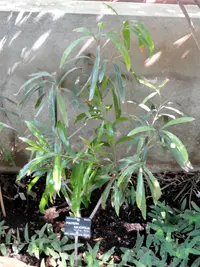
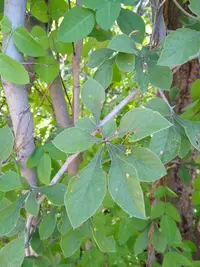
Indian trumpet tree, Oroxylum indicum, is a fast-growing, soft-wooded tree known for its tall upright pods and large, divided leaves. In suitable climates it can form an open, umbrella-like crown and produce striking night-blooming flowers that attract bats and moths.

This species is native to South and Southeast Asia, where it grows in warm, monsoon-influenced forests and disturbed areas. It can be relatively easy to manage in tropical and subtropical gardens if its size and brittle wood are considered.

It generally prefers full sun to light shade, reasonably moist but well-drained soil, and protection from strong winds. Understanding these basic needs helps clarify how to care for Indian trumpet tree in a home landscape context.

Main Plant Requirements

Care Difficulty

Moderate Care

Light Preference

Full Sun

Water Requirements

Moderate Water

Temperature Preference

Tropical / Frost Sensitive

Hardiness Zone

10–11

Soil Texture

Loamy, Sandy, Organic-rich

Soil pH

Acidic (5.5–6.5), Slightly acidic (6.5–7.0)

Soil Drainage

Moist but well-drained

Fertilization

Minimal (feed rarely)

Get Personalized Care Plan

Scan your plant to receive care tips personalized for your specific plant

Available on iOS and Android

How to Care for the Indian trumpet tree

This fast-growing tropical tree prefers strong light but benefits from some protection from harsh midday sun.

  • Provide 4–6 hours of direct morning sun with light afternoon shade; bright, open exposure suits young Indian trumpet tree saplings best.
  • In hot climates, use filtered light or high, dappled shade during 11 a.m.–3 p.m. to prevent leaf scorch and premature leaf drop.
  • In cooler or subtropical zones, site on a south or west-facing slope to maximize seasonal sun and avoid deep shade that weakens growth.

This species prefers evenly moist, well-drained soil rather than constantly wet conditions.

  • Let the top 3–5 cm of soil dry before deep watering, aiming for slow infiltration so the root zone is moist but not waterlogged.
  • During hot, dry seasons, watch for slight leaf droop or curling as a cue to water; in cool or rainy periods, extend intervals to prevent rot.
  • Use a free-draining loam or sandy soil; persistent puddling, sour smell, or yellowing, soft leaves signal overwatering in Oroxylum indicum.

This tropical tree thrives in warm to hot climates and is sensitive to cold and frost.

  • Optimal growth occurs around 70–90°F (21–32°C), with vigorous leaf and stem development in consistently warm conditions.
  • The tree is damaged near 35–40°F (2–4°C) and can be killed by frost; avoid sites with frequent winter freezes or cold air pockets.
  • It tolerates short heat waves up to about 100°F (38°C) if soil moisture is maintained, but prolonged extreme heat with drought can stunt growth.

This species handles a wide humidity range but grows best with moderate ambient moisture.

  • Aim for 40–60% humidity; brief dips lower are tolerated if soil moisture is stable.
  • Dry indoor air can cause curled leaf edges and slower growth, especially in young Indian trumpet tree plants.
  • Increase humidity locally with grouped pots or a wide pebble tray, rather than misting foliage that can encourage leaf spots.

This tree prefers deep, well-drained, slightly acidic to neutral soil with moderate organic content.

  • Use a loose loam-like mix, for example 50% composted bark or compost, 30% coarse sand, 20% perlite for structure and drainage.
  • Aim for pH 6.0–7.0; avoid highly alkaline substrates that can limit nutrient uptake in Oroxylum indicum.
  • Ensure water drains within a few minutes after watering; persistent surface puddling or a sour odor signals poor drainage and low oxygen.
  • Improve aeration on heavy soils with coarse sand or fine gravel, never with more peat alone, which compacts and holds excess water.

This species can be grown in large containers for juvenile stages or patio display.

  • Choose a deep, heavy container that resists tipping as the woody stem and foliage gain height and wind load.
  • Select a pot depth that allows a strong taproot to develop initially, then maintains at least 30–40 cm of unobstructed root space.
  • Use a mineral-rich, free-draining mix in a pot with large drainage holes so water exits quickly and does not saturate the lower root zone.

Oroxylum indicum benefits from light, targeted feeding during the warm growing season, especially in poor soils.

  • Use a balanced NPK fertilizer (such as 10-10-10) at half-strength in spring to support new growth.
  • Apply a thin layer of well-rotted compost around the root zone 1–2 times during the growing season.
  • Feed every 6–8 weeks in active growth, then stop fertilizing in late fall as the tree slows or goes dormant.
  • Water before and after applying fertilizer to prevent root burn and improve nutrient uptake.

Pruning Oroxylum indicum focuses on safety, structure, and encouraging healthy canopy development.

  • Carry out main pruning in late winter or early spring before strong new growth begins.
  • Remove dead, diseased, crossing, or storm-damaged branches using clean, sharp bypass pruners or a pruning saw.
  • Thin crowded interior shoots to improve light penetration and airflow through the crown.
  • Limit cuts on main structural branches to maintain natural form and stable framework.

This species is usually raised in containers only when young, then transplanted to a permanent ground position.

  • Transplant when roots circle the pot, growth slows, or the plant becomes top-heavy, ideally in late spring or early summer.
  • Plan to shift seedlings from nursery bags or pots to the ground after 1–2 years, before they grow too tall.
  • Dig a wide planting hole, loosen circling roots gently, and keep the root ball intact to minimize shock.
  • Water thoroughly after planting, then shade lightly and keep soil evenly moist for several weeks while roots establish.

Oroxylum indicum is most often propagated from seeds, which germinate reliably under warm, moist conditions.

  • Collect mature, dry seed pods at the end of the growing season and extract the winged seeds.
  • Sow fresh seeds in late spring in a free-draining mix, covering very lightly to allow air circulation.
  • Maintain 75–85°F, bright indirect light, and consistent moisture without waterlogging until germination.
  • Transplant seedlings carefully once they develop several true leaves, avoiding damage to the developing taproot.

This is a tropical to subtropical tree that dislikes frost and needs protection in cooler climates.

  • In regions with occasional light frosts, add 5–10 cm of organic mulch around the root zone, keeping it off the trunk.
  • Wrap young trunks with breathable horticultural fleece during cold snaps to limit tissue damage.
  • Grow Oroxylum indicum in large containers only in mild climates and move indoors or into a heated greenhouse before temperatures drop near 40°F.

Care Tips

Early root training

Install a deep planting tube or use a tall container in the first 1–2 years to encourage a strong taproot, which helps the tree handle later drought and wind exposure better when transplanting outdoors.

Wind-firm support

Stake young trees with 2–3 sturdy stakes set outside the root zone and tied with soft, flexible ties, then gradually loosen and remove supports over 1–2 seasons so the trunk strengthens without rubbing damage.

Monsoon drainage planning

Before heavy seasonal rains, create a shallow drainage swale or slight mound around the dripline so water flows away from the trunk collar and reduces the risk of root and collar rot.

Nutrient-return mulching

Leave a thin layer of the plant’s own fallen leaves as part of the mulch under the canopy to slowly recycle nutrients and mimic its natural forest floor conditions.

Seed pod management

If pods set heavily on young or stressed trees, remove a portion of them early so the plant directs more energy into root and structural growth rather than seed production, which supports long-term success when growing Indian trumpet tree.

Common Pests and Diseases

Leaf web caterpillars

This pest feeds on foliage, often tying young leaflets together with silk and skeletonizing them. Symptoms include chewed margins, webbing on leaf clusters, and rapid defoliation of tender shoots.

Solution

Handpick and destroy caterpillars and silk-tied leaf clusters, especially on young trees, and prune off heavily infested tips. For larger trees or recurring attacks, use a targeted biological product containing Bacillus thuringiensis (Bt) on young larvae and encourage birds and other natural predators by avoiding broad-spectrum insecticides.

Bark-boring beetles

These insects tunnel into young stems and branches, weakening the wood and disrupting water flow. Symptoms include small round exit holes, fine frass (sawdust-like material) on the bark, and dieback of affected twigs.

Solution

Prune and destroy infested branches as soon as tunneling or dieback is noticed and disinfect cutting tools between plants. Keep the tree vigorous with proper watering and fertilization, avoid wounding the bark, and where pressure is high, use trunk sprays or systemic insecticides labeled for borers, applied according to local regulations.

Leaf spot

This disease causes small water-soaked lesions that expand into brown or tan spots on leaflets, sometimes with yellow halos. Symptoms include premature leaf drop and a generally thinned canopy, especially on nursery or young trees in humid conditions.

Solution

Remove and discard fallen leaves to reduce inoculum, and avoid overhead watering to keep foliage as dry as possible. Improve spacing and airflow around the tree and, if spotting is severe or recurring, apply a copper-based or other labeled fungicide during periods of warm, wet weather.

Powdery mildew

This disease appears as a white to gray powdery growth on both sides of leaves, often starting on young shoots. Symptoms include distorted new growth, dull or mottled foliage, and reduced vigor in heavily affected saplings.

Solution

Increase light and airflow around young trees, avoid excess nitrogen that pushes soft new growth, and prune crowded interior twigs. At early stages, treat with sulfur, potassium bicarbonate, or horticultural oil products labeled for powdery mildew, applied in the cooler part of the day to avoid leaf burn.

Interesting Facts

Night-blooming bat flowers

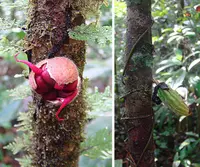
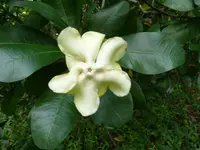
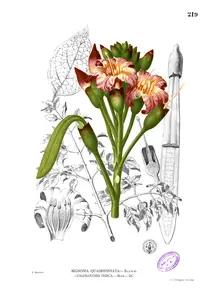
This species opens its large, pale purple flowers at night and relies primarily on fruit bats and nocturnal moths for pollination, an adaptation linked to its strong nocturnal scent and flower positioning above the canopy edge.

Sword-shaped hanging pods

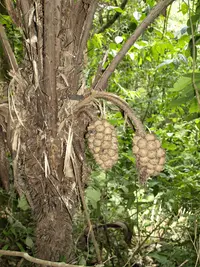
The tree produces long, flat, downward-hanging seed pods that can reach around 30–60 cm, with many thin, papery-winged seeds that are dispersed efficiently by wind when the pods split open.

Pioneer of disturbed sites

In its native range, this fast-growing, short-lived tree often colonizes disturbed habitats and forest edges, helping to stabilize soil and create partial shade that facilitates the establishment of slower-growing forest species.

Botan icon

Did you know?

Genetic and morphological studies indicate that this species is one of the more distinctive members of the Bignoniaceae family in Asia, combining bat pollination, wind-dispersed seeds, and a relatively short life cycle in a way that is uncommon among related tropical trees.

FAQs about Indian trumpet tree

Lack of flowering usually comes from plant immaturity, insufficient nighttime warmth, or too much nitrogen fertilizer. Older, stressed trees bloom more reliably. Ensure stable warm seasons, avoid heavy pruning of flowering wood, and reduce high-nitrogen feeding.

Grow Healthy Plants with Botan Care

Keep your plants happy and healthy with plant identification, disease detection, and easy care guidance.

Botan plant care app — identify plants on mobile

Explore More Plants