Rhizome positioning
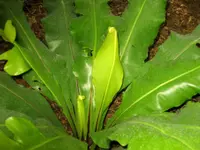
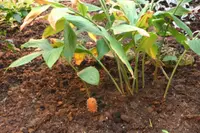
Plant the rhizome shallowly with its top just at or slightly above the substrate surface so new fronds can emerge freely and the crown stays well aerated, reducing the risk of rot.

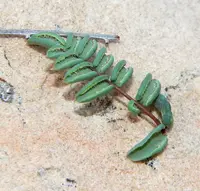
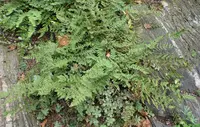
Spiny cliffbrake (Hemionitis truncata) is a small, wiry fern adapted to rocky slopes and crevices. It naturally grows in dry, exposed habitats, often on cliffs or stone walls. The plant forms low clumps of stiff, segmented fronds with small, spine-like tips, giving it a tougher look than many common ferns. This structure helps it tolerate wind and brief dry spells. Although it is more drought-tolerant than many ferns, it still prefers evenly moist but well-drained soil and good air circulation. Light shade to bright, indirect light suits it best. Understanding these natural preferences helps gardeners learn how to care for spiny cliffbrake successfully in cultivation.

Care Difficulty
Moderate Care

Light Preference
Bright Indirect Light

Water Requirements
Keep Soil Moist

Temperature Preference
Tropical / Frost Sensitive

Hardiness Zone
11–12

Soil Texture
Loamy, Peaty, Organic-rich

Soil pH
Acidic (5.5–6.5), Slightly acidic (6.5–7.0)

Soil Drainage
Moist but well-drained

Fertilization
Light (every 4–6 weeks)
Scan your plant to receive care tips personalized for your specific plant
Available on iOS and Android
This fern prefers soft, indirect light that mimics shaded rock faces or forest understory.
This fern needs consistently moist but not waterlogged soil to stay healthy.
Stable, mild temperatures support steady growth and prevent stress in this fern.
This fern needs consistently high humidity to keep fronds compact and healthy.
This fern prefers a loose, moist, and airy mix that never stays waterlogged.
This species grows well in containers when moisture and drainage are balanced carefully.
Hemionitis truncata benefits from light, consistent feeding during active growth but is sensitive to overfertilizing.
Hemionitis truncata needs only light pruning to maintain a tidy, healthy clump.
This small fern prefers stable conditions, so repot Hemionitis truncata only when clearly rootbound.
Propagation of Hemionitis truncata is possible but somewhat slow, usually done by careful division.
This fern is not frost hardy and needs mild, protected conditions during winter.

Plant Health Check
Not sure what's wrong with your plant? Check your plant's health inside the app.
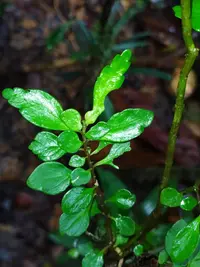
This fern produces small, thick, heart-shaped sterile fronds that resemble succulent leaves, an unusual feature among ferns and the reason for its common name, heart fern.
Its fertile fronds look completely different from the heart-shaped ones and are narrow, segmented, and borne on longer stalks, clearly separating spore-bearing structures from the photosynthetic fronds.
The species naturally grows as an epiphyte or lithophyte on mossy tree trunks and rocks in humid tropical forests of Southeast Asia, especially in shaded, constantly moist microhabitats.
This species adapts to both, but performs best outdoors in mild, frost-free climates with sheltered, rocky spots. Indoors, stable humidity and good air circulation are crucial. Successful spiny cliffbrake indoor care depends on avoiding stagnant, overly dry air.
Keep your plants happy and healthy with plant identification, disease detection, and easy care guidance.