Heptapleurum calyptratum Care

Heptapleurum calyptratum

About Heptapleurum calyptratum

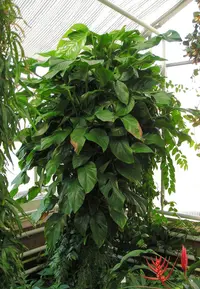
Heptapleurum calyptratum is an evergreen tropical shrub or small tree from rainforests in New Guinea, valued for its umbrella-like clusters of glossy, divided leaves. In cultivation it forms a bushy plant with arching stems and layered foliage that gives a lush, architectural look indoors. It grows relatively fast and can become tall over time if not pruned, so it suits bright rooms with enough vertical space. Once its basic needs are understood, it is not difficult to care for Heptapleurum calyptratum, preferring bright filtered light, moderate moisture, and well-drained soil.

Main Plant Requirements

Care Difficulty

Moderate Care

Light Preference

Partial Shade

Water Requirements

Moderate Water

Temperature Preference

Tropical / Frost Sensitive

Hardiness Zone

11–12

Soil Texture

Loamy, Organic-rich

Soil pH

Acidic (5.5–6.5), Slightly acidic (6.5–7.0)

Soil Drainage

Moist but well-drained

Fertilization

Light (every 4–6 weeks)

Get Personalized Care Plan

Scan your plant to receive care tips personalized for your specific plant

Available on iOS and Android

How to Care for the Heptapleurum calyptratum

This species needs bright, filtered light to develop dense, healthy foliage.

  • Provide 4–6 hours of bright, indirect light daily, such as near an east window or under light tree canopy outdoors for Heptapleurum calyptratum.
  • Tolerates light to medium shade, but growth slows and stems stretch if it receives less than 3–4 hours of bright ambient light.
  • Avoid harsh midday sun; protect from direct sun between 11 a.m.–3 p.m. to prevent leaf scorch, especially in summer and in hot climates.

Watering should keep the root zone evenly moist but never waterlogged.

  • Allow the top 2–4 cm of soil to dry before watering, using a finger test rather than a fixed schedule.
  • Reduce watering in cooler months when growth slows, but do not let the root ball dry completely; leaves drooping and curling inward indicate underwatering.
  • Yellowing, dropping lower leaves and a sour soil smell suggest overwatering; use a free-draining mix and ensure excess water can exit quickly.

Stable, warm conditions support strong, leafy growth in this subtropical species.

  • Aim for 65–80°F (18–27°C) for active growth; short periods up to 85°F (29°C) are tolerated if humidity and soil moisture are adequate.
  • Avoid temperatures below 50°F (10°C); tissue damage and leaf drop can occur near this limit, and the plant should be protected from frost at all times.
  • In hot summers above 85°F (29°C), provide light shade and good airflow; in cooler seasons, shield from cold drafts and sudden temperature swings.

This species benefits from moderately humid air but tolerates typical indoor levels.

  • Aim for 50–60% humidity to support dense foliage and steady growth.
  • Tolerates brief dips to around 35–40%, but persistent dry air can cause brown leaf edges and increased leaf drop.
  • Increase humidity with a nearby humidifier or grouped plants; avoid misting if leaves stay wet for long periods.

This plant prefers a loose, aerated, organic-rich mix that drains quickly yet retains some moisture.

  • Use a peat- or coco-based potting mix amended with perlite and fine bark for structure, drainage, and air spaces around roots.
  • Target a slightly acidic to neutral pH of 6.0–7.0, which supports nutrient availability and reduces stress.
  • Avoid heavy garden soil or mixes that stay wet for more than 2–3 days, as this encourages root rot.
  • For reliable Heptapleurum calyptratum care, fill containers loosely and avoid compacting the mix, which restricts aeration.

This species is well suited to container culture due to its adaptable root system and manageable size under pruning.

  • Choose a wide, weighty pot to counterbalance the top-heavy canopy and reduce tipping risk in wind or high-traffic areas.
  • Select thicker-walled clay or concrete containers outdoors to buffer rapid moisture swings and temperature fluctuations around the roots.
  • Raise the pot on feet or spacers so drainage holes stay clear and excess water escapes quickly, preventing a saturated saucer zone.

Nutrient-rich but well-drained soil supports steady growth in Heptapleurum calyptratum without heavy feeding.

  • Use a balanced liquid fertilizer (such as 10-10-10 or 20-20-20) diluted to 1/2 strength during active growth in spring–summer.
  • Apply every 4–6 weeks, only to moist soil, to avoid root burn and salt buildup.
  • Pause or reduce feeding to 1 light application in midwinter if growth slows under cooler or lower light conditions.
  • Organic compost or a slow-release fertilizer in spring can supplement liquid feeding for large or mature plants.

Light, targeted pruning keeps Heptapleurum calyptratum manageable and encourages a strong framework.

  • Carry out main pruning in late winter or early spring before vigorous new growth starts.
  • Remove dead, damaged, crossing, or overly crowded stems back to a healthy node to improve airflow and light penetration.
  • Shorten tall or leggy shoots to shape the canopy and stimulate denser side branching.
  • Use sharp, clean bypass pruners and disinfect blades between cuts to reduce disease transmission.

Container-grown Heptapleurum calyptratum benefits from occasional repotting to refresh soil and give roots space.

  • Check for roots circling the pot, emerging from drainage holes, or unexplained slow growth as signs repotting is needed.
  • Plan to repot every 2–3 years in spring, moving to a container 2–5 cm wider with fresh, free-draining mix.
  • Water thoroughly 1–2 days before repotting, then gently loosen the root ball and trim only dead or rotten roots.
  • After repotting, water well, keep in bright indirect light, and avoid heavy feeding for 4–6 weeks to reduce stress.

Heptapleurum calyptratum is commonly propagated by stem cuttings and sometimes from seed under controlled conditions.

  • Take semi-ripe stem cuttings in late spring–summer, each with 2–3 leaf nodes, and remove lower leaves.
  • Dip cut ends in rooting hormone, then place in a sterile, free-draining mix kept at 70–77°F with high humidity.
  • Provide bright, indirect light and gentle bottom warmth if possible, keeping the substrate slightly moist, never waterlogged.
  • For seed propagation, sow fresh seed on the surface of a moist seed mix, maintain warmth, and allow several weeks for germination.

This species is frost-sensitive and needs protection in regions with cold winters.

  • Move container plants indoors or into a heated greenhouse before temperatures drop near 40°F.
  • Grow Heptapleurum calyptratum indoors in winter in bright, indirect light away from cold drafts and heater blasts.
  • In mild climates, mulch the root zone with 5–8 cm of organic material, keeping it slightly away from the trunk.

Care Tips

Sturdy structural staking

Install 2–3 slim, sturdy stakes in the pot and loosely tie main stems with soft ties to prevent leaning or stem breakage as the plant gains height and canopy weight.

Rotational canopy management

Rotate the container 90° every 2–3 weeks so the canopy develops evenly and lower interior leaves receive more balanced light, which helps maintain a fuller, less one-sided plant.

Regular leaf washing

Wipe leaf surfaces with a soft damp cloth or rinse the whole plant in a lukewarm shower every 4–6 weeks to remove dust, improve light capture, and make it harder for spider mites and scale to establish.

Controlled branching pinch

Pinch or cut back only the soft growing tips of overly tall shoots in early spring to encourage side branches higher on the stems while avoiding severe pruning that can shock the plant.

Proactive pest monitoring

Inspect leaf undersides, petiole junctions, and stem nodes every 2–3 weeks for mites, scale, or mealybugs, and at the first sign of pests isolate the plant and treat with a labeled insecticidal soap to protect long-term Heptapleurum calyptratum care.

Common Pests and Diseases

Spider mites

This pest often appears on tender indoor foliage, causing fine stippling, dull leaves, and delicate webbing, especially in warm, dry rooms.

Solution

Rinse foliage thoroughly with lukewarm water, including leaf undersides, then repeat every few days; increase humidity and isolate the plant. For persistent infestations, use insecticidal soap or a neem oil spray directed to the undersides of leaves, applied according to label directions.

Scale insects

These insects form small, dome-shaped brown or tan bumps along stems and leaf veins, leading to sticky honeydew and sooty mold on Heptapleurum calyptratum indoor care situations.

Solution

Wipe or scrape visible scales off with a cotton swab dipped in isopropyl alcohol, then wash the plant with mild soapy water. Monitor weekly and repeat mechanical removal; for heavier cases, apply a systemic insecticide labeled for indoor ornamental foliage plants if local regulations and household conditions allow.

Mealybugs

This pest creates cottony white clusters in leaf axils and along stems, causing distorted growth and sticky honeydew on foliage.

Solution

Isolate the plant, then dab mealybugs with cotton swabs soaked in isopropyl alcohol and rinse the plant after treatment. Follow up with 2–3 applications of insecticidal soap or neem oil at 7–10 day intervals, paying attention to leaf joints where insects hide.

Bacterial leaf spot

This disease causes water-soaked, translucent spots that turn dark and sometimes develop yellow halos on the leaf blades, often starting on lower or crowded foliage.

Solution

Remove and discard affected leaves, avoiding overhead splashing when watering. Improve air circulation around the plant, keep foliage dry, and if spread continues, use a copper-based bactericide labeled for ornamental foliage plants, following all safety and interval instructions.

Leaf drop from cold draft

Symptoms include sudden yellowing and dropping of multiple leaves, often after exposure to cold air or rapid temperature swings near windows or doors.

Solution

Move the plant away from drafty doors, single-pane windows, and air conditioning vents, keeping temperatures stable around 65–80°F. Prune only clearly dead stems, maintain consistent but not excessive soil moisture, and allow several weeks for new, healthy foliage to replace the lost leaves.

Interesting Facts

Umbrella-like leaf clusters

This species produces large compound leaves with long petioles and 7–12 leaflets arranged in an umbrella-like circle, a trait that helps it capture diffuse light in its native rainforest understory.

Native to New Guinea

It is naturally distributed in lowland to montane rainforests of New Guinea, where it grows as a small tree or large shrub in warm, humid, shaded habitats.

Rapid juvenile growth

In favorable conditions it shows relatively fast vegetative growth in its juvenile phase, quickly forming a tall, sparsely branched framework with foliage concentrated towards the stem tips.

FAQs about Heptapleurum calyptratum

Yes. This species adapts well to bright indoor spaces and can form an attractive, lush focal point. Regular pruning to control size and a stable, warm room environment are the main aspects of Heptapleurum calyptratum indoor care.

Grow Healthy Plants with Botan Care

Keep your plants happy and healthy with plant identification, disease detection, and easy care guidance.

Botan plant care app — identify plants on mobile

Explore More Plants