Fox ears Care (Aristolochia chilensis)

Fox ears

About Fox ears

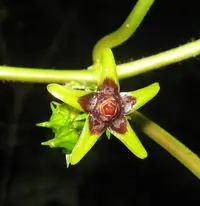
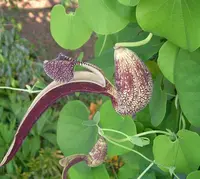
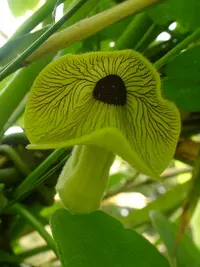
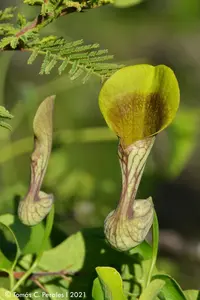
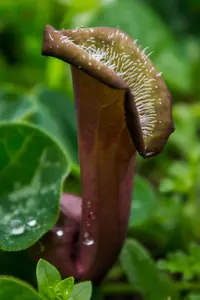
Fox ears, Aristolochia chilensis, is a small, unusual perennial vine valued for its distinctive, pouch-like flowers that resemble animal ears. The thick, often gray-green leaves give it a compact, slightly shrubby look in cultivation.

This species is native to arid and semi-arid regions of Chile, where it grows in rocky, well-drained habitats. It can be moderately challenging, as it dislikes excess moisture and needs good drainage and steady warmth.

Light, well-drained soil and bright, indirect light generally suit it best. Gardeners who learn how to care for Fox ears often grow it as a curiosity plant in specialized collections.

Main Plant Requirements

Care Difficulty

Moderate Care

Light Preference

Full Sun

Water Requirements

Moderate Water

Temperature Preference

Warm Climate

Hardiness Zone

9–11

Soil Texture

Sandy, Loamy, Rocky

Soil pH

Slightly acidic (6.5–7.0), Neutral (7.0)

Soil Drainage

Well-drained

Fertilization

Minimal (feed rarely)

Get Personalized Care Plan

Scan your plant to receive care tips personalized for your specific plant

Available on iOS and Android

How to Care for the Fox ears

This sun-loving Chilean vine needs strong light but benefits from some protection at the hottest times of day.

  • Provide 4–6 hours of direct morning sun with light afternoon shade, or bright filtered light all day in hotter inland areas.
  • In coastal or cooler climates, Fox ears can take full sun if soil stays evenly moist and roots are mulched to prevent overheating.
  • If stems elongate thinly or flowering declines, the site is likely too shaded; pale, scorched leaves indicate excess intense afternoon sun.

This drought-tolerant vine prefers deep, infrequent watering rather than constant surface moisture.

  • Outdoors in well-drained soil, water only when the top 3–5 cm feel dry, soaking the root zone thoroughly, then let it drain fully.
  • Reduce watering in cool seasons, allowing the soil to dry a bit more, especially if growth slows or leaves are fewer.
  • Wilting with dry soil, crisp leaf edges, and slow growth suggest underwatering; yellowing leaves, soft stems, and sour-smelling soil indicate overwatering for Aristolochia chilensis.

This species prefers mild, dry conditions and does best where temperatures avoid both hard frost and extreme heat.

  • Aim for growing-season temperatures around 65–80°F (18–27°C) for steady growth and flowering.
  • It can survive brief drops to about 25–28°F (-4 to -2°C) if mature and well established, but repeated freezes damage young growth.
  • In summer, protect from prolonged heat above 95°F (35°C) with mulch and some afternoon shade, and avoid planting in low frost pockets or wind-exposed cold spots.

This species handles a fairly wide humidity range but benefits from moderately moist air.

  • Aim for 40–60% humidity, which suits typical US homes and keeps Fox ears foliage from drying at the edges.
  • It tolerates brief drier air, but prolonged humidity below 30% can cause leaf edge browning and tip dieback.
  • Increase humidity by grouping plants, placing containers over pebble trays with water below the pot base, or running a nearby humidifier.

This vine prefers a well-aerated, fast-draining mix that mimics rocky, mineral soils.

  • Use a gritty mix: 40% cactus potting mix, 30% coarse sand, 20% perlite, 10% fine compost for light fertility.
  • Ensure very sharp drainage to prevent root rot; the soil should feel dry in the top layer within 1–2 days after watering.
  • Keep pH slightly acidic to neutral (6.0–7.0), avoiding strongly alkaline substrates that can lock out nutrients.
  • For Aristolochia chilensis in containers, avoid dense clay-based mixes and regularly loosen the surface layer to maintain aeration.

This species is suitable for container growing when the pot supports its vining habit and deep root system.

  • Choose a heavy, wide-based container to prevent tipping as the vine climbs or when using a trellis or support frame.
  • Select a pot at least 25–30 cm deep so the taproot can develop without circling at the bottom too quickly.
  • Use unglazed terracotta if extra evaporation is needed in wet climates, or thick plastic in hot, dry areas to slow moisture loss.

Aristolochia chilensis is a modest feeder, so focus on light, steady nutrition rather than heavy fertilizing.

  • Use a balanced liquid fertilizer (around 10-10-10) at 1/2 strength every 4–6 weeks during spring–summer growth.
  • Alternatively, apply a thin layer of compost or a low-dose slow-release fertilizer at the start of the growing season.
  • Skip feeding in winter or dormancy to prevent weak, elongated growth and salt buildup in the potting mix.
  • For Fox ears in containers, water before feeding to limit root burn and ensure even nutrient distribution.

Pruning helps keep Aristolochia chilensis controlled, healthy, and flowering on accessible growth.

  • Best time is late winter to very early spring, before strong new growth begins.
  • Remove dead, damaged, or crossing stems first, using clean, sharp bypass pruners.
  • Shorten overly long or tangled vines to manage size and improve light and air penetration.
  • After flowering flushes, lightly thin crowded stems to maintain shape without stripping too much foliage.

This species is often grown in the ground, but container plants or young vines benefit from occasional transplanting.

  • Look for roots circling the pot, drying out quickly, or noticeably slowed growth as signs it needs a larger container or planting site.
  • Plan transplanting for early spring, aiming to move plants every 2–3 years if kept confined.
  • Choose a slightly larger pot or ground hole with free-draining, moderately fertile soil and a stable support structure.
  • Water well before and after moving, keep roots shaded, and avoid disturbing the rootball more than necessary to limit stress.

Aristolochia chilensis is most often propagated from seed, with some success also possible from softwood cuttings.

  • Sow fresh seeds in spring in a free-draining mix, barely covered, and keep at 65–75°F with steady, light moisture.
  • Provide bright, indirect light and be patient; germination can be slow and somewhat irregular.
  • For cuttings, take soft to semi-ripe shoots in late spring, dip in rooting hormone, and place in a humid, covered propagator.
  • Ventilate regularly to prevent fungal issues and pot on seedlings or rooted cuttings once roots fill the starter cells.

This species prefers mild, dry winters and needs some attention in colder or wetter climates.

  • In USDA zones roughly 9–10, established plants tolerate light frosts but suffer in prolonged freezes.
  • Apply 5–8 cm of dry mulch around the root zone in late fall, keeping it slightly away from the stem base.
  • In colder zones or exposed sites, grow in containers and move plants to a cool, bright, frost-free space for winter.

Care Tips

Sturdy climbing support

Install a rigid trellis or wire mesh before planting so the vine can attach early, and periodically tie young stems with soft ties to guide growth and prevent wind damage.

Root zone mulching

Apply a 3–5 cm layer of inert mulch such as gravel or coarse bark around the base to keep roots cooler, reduce evaporation, and limit weed competition without keeping the crown soggy.

Controlled self-seeding

If you do not want the plant to spread, remove seed pods before they dry and open, but if you aim to grow Fox ears in a wider area, allow a few pods to mature and collect seed for controlled sowing.

Targeted pest scouting

Inspect the undersides of leaves and flower tubes every 1–2 weeks during warm months for caterpillars and spider mites, and prune or hose off localized infestations before resorting to treatments.

Seasonal wind protection

In exposed sites, use windbreak fabric or position large pots behind a fence or wall to reduce strong drafts that can snap brittle stems and desiccate foliage, especially in the first 1–2 years.

Common Pests and Diseases

Spider mites

This pest often appears in hot, dry conditions on container-grown vines, causing fine webbing and tiny pale stippling on leaves. Symptoms include dull, bronzed foliage and gradual leaf drop if populations are high.

Solution

Rinse foliage thoroughly with a strong stream of water, including leaf undersides, and repeat several times over 7–10 days. Increase humidity around the plant, isolate it from others, and apply insecticidal soap or a horticultural oil labeled for mites, keeping the plant shaded and well hydrated during treatment as part of Aristolochia chilensis plant care.

Leaf miners

These insects tunnel inside leaves, creating pale winding trails or blotches that distort the foliage. Symptoms include weakened, unsightly leaves that may yellow and drop early.

Solution

Remove and discard affected leaves as soon as mines are visible to break the life cycle. Encourage beneficial insects outdoors, avoid broad-spectrum sprays, and if needed use a systemic product labeled for leaf miners according to directions, focusing on plants grown in the ground rather than small indoor containers.

Aphids

These insects cluster on young shoots and flower stems, sucking sap and excreting sticky honeydew. Symptoms include curling new growth, distorted flowers, and sooty mold growing on the honeydew.

Solution

Wash infested areas with a firm stream of water, then treat remaining colonies with insecticidal soap or a light horticultural oil, repeating every few days until numbers stay low. Prune heavily infested soft tips, dispose of them, and avoid excess nitrogen fertilizer, which promotes the tender growth aphids prefer.

Powdery mildew

This disease shows as white or gray powdery patches on leaves, stems, and sometimes flowers, often starting in areas with poor air movement. Symptoms include distorted, yellowing foliage and reduced vigor if the infection is heavy.

Solution

Improve air circulation by spacing and gently thinning dense growth, and avoid overhead watering late in the day. Remove and dispose of heavily infected leaves, then apply a labeled fungicide or sulfur product preventively to new growth during warm, dry periods when powdery mildew tends to develop.

Interesting Facts

Chilean desert specialist

This species is native to the arid and semi-arid zones of central and northern Chile, where it grows in rocky, very dry habitats that experience strong sunlight and low rainfall.

Insect-trapping flowers

Its tubular, brownish to greenish mottled flowers function as pitfall traps for small insects, temporarily holding them inside to ensure effective pollination before releasing them.

Unusual leaf look-alikes

The small, fleshy leaves often mimic the color and texture of surrounding rocks and soil, which helps the plant conserve water and blend into its harsh desert environment.

Botan icon

Did you know?

Aristolochia chilensis is one of the few pipevine species adapted to true desert and semi-desert conditions in South America, making it a valuable model for studying how traditionally forest-associated lineages can evolve drought tolerance and extreme sun resistance.

FAQs about Fox ears

This species is a twining vine that climbs rather than forming a ground-hugging mat. It wraps around nearby supports, such as trellises, shrubs, or wires, and can form a dense vertical cover when properly guided.

Grow Healthy Plants with Botan Care

Keep your plants happy and healthy with plant identification, disease detection, and easy care guidance.


Botan plant care app — identify plants on mobile

Explore More Plants