Aristolochia kaempferi Care

Aristolochia kaempferi

About Aristolochia kaempferi

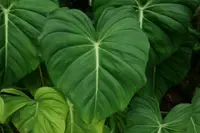
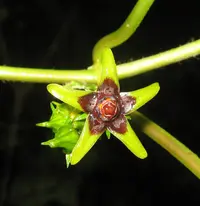
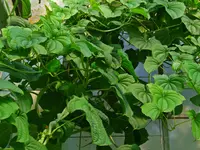
Aristolochia kaempferi is a twining perennial vine known for its unusual, tubular flowers and broad, heart-shaped leaves. It typically climbs on supports or nearby plants, forming a dense green cover.

This species is native to parts of East Asia, where it grows in warm, humid environments along forest edges and thickets. Its distinctive flowers attract specific pollinating insects.

The plant can be moderately challenging, as it prefers stable warmth, consistent moisture, and well-drained, fertile soil. Gardeners who learn how to care for Aristolochia kaempferi usually find it grows steadily once established, provided it receives enough light and a sturdy structure to climb.

Main Plant Requirements

Care Difficulty

Moderate Care

Light Preference

Partial Shade

Water Requirements

Regular Water

Temperature Preference

Warm Climate

Hardiness Zone

Unknown

Soil Texture

Loamy, Organic-rich

Soil pH

Acidic (5.5–6.5), Slightly acidic (6.5–7.0)

Soil Drainage

Moist but well-drained

Fertilization

Light (every 4–6 weeks)

Get Personalized Care Plan

Scan your plant to receive care tips personalized for your specific plant

Available on iOS and Android

How to Care for the Aristolochia kaempferi

This twining vine prefers bright, gentle sun with protection from harsh midday exposure.

  • Provide 3–5 hours of direct morning sun with light afternoon shade, or bright dappled light under taller plants or structures.
  • Tolerates partial shade, but flowering of Aristolochia kaempferi decreases if it receives less than about 3 hours of direct or filtered sun daily.
  • In hot summers, shield from strong afternoon sun to prevent leaf scorch; in cooler seasons, allow more direct light to support growth.

This species prefers evenly moist, well-drained soil and does not handle prolonged drying or saturation well.

  • Water when the top 3–5 cm of soil feels slightly dry, letting excess drain away to avoid standing water around roots.
  • During active growth in spring and summer, expect to water more often; in cooler months, reduce frequency as growth slows and evaporation drops.
  • Leaves drooping yet soil dry indicates underwatering, while yellowing lower leaves and a sour soil smell suggest overwatering or poor drainage for Aristolochia kaempferi.

This vine grows best in mild, frost-free conditions with moderate warmth during the growing season.

  • Aim for 65–80°F (18–27°C) during active growth to support steady foliage and flowering.
  • Short dips to about 40°F (4°C) may be tolerated if brief, but repeated exposure below this can damage stems and roots.
  • Protect from frost and cold winds, and during heat above 90°F (32°C) provide extra shade and soil moisture to reduce stress.

This twining vine benefits from moderate to slightly humid air to keep foliage healthy.

  • Aim for 50–70% humidity, similar to a mild greenhouse or shaded outdoor summer conditions.
  • Tolerates brief dips to 30–40%, but prolonged dry air may cause leaf edges to brown and curl.
  • Increase humidity with grouped plants, a nearby tray of moist pebbles, or outdoor placement in sheltered, humid microclimates.

Aristolochia kaempferi prefers a loose, moisture-retentive but well-drained soil mix that mimics rich forest ground.

  • Use a loamy mix of roughly 40% peat or coco coir, 30% compost, and 30% perlite or fine bark for structure and drainage.
  • Keep drainage brisk so water moves through within seconds, avoiding waterlogged or compacted substrates that suffocate roots.
  • A slightly acidic to neutral pH around 6.0–7.0 suits nutrient uptake and supports beneficial soil life.
  • Improve aeration by incorporating chunky bark or perlite and avoid heavy clay or pure garden soil in containers.

This species is suitable for container growing when the pot supports its climbing and vigorous root habit.

  • Choose a deep, heavy container that resists tipping once the vine gains height and foliage mass.
  • Select a pot material with moderate moisture retention, such as thick-walled terracotta, to balance this vine’s preference for even moisture without saturation.
  • Install a sturdy trellis or support directly in the container at planting so roots and shoots establish around a stable structure.

This vine benefits from light, balanced feeding to support steady growth without excessive foliage at the expense of flowers.

  • Use a balanced liquid fertilizer (around 10-10-10) at 1/2 strength every 4–6 weeks during spring–summer on moist soil.
  • Alternatively, apply a thin layer of well-rotted compost over the root zone once in spring.
  • Avoid high-nitrogen lawn fertilizers, which can reduce flowering and cause weak, lush growth.
  • Stop feeding Aristolochia kaempferi in late summer and do not fertilize in fall–winter while growth is slow or dormant.

Thoughtful pruning keeps this twining vine manageable and encourages healthy, flowering growth.

  • Carry out main pruning in late winter or very early spring before new shoots extend.
  • Remove dead, damaged, or crossing stems first, then thin congested growth to open the framework.
  • Shorten excessively long shoots to maintain size and direct growth along supports or trellises.
  • Use clean, sharp bypass pruners and make cuts just above a healthy bud or side shoot on Aristolochia kaempferi.

This species is usually grown in the ground, but young or container plants may need periodic repotting or careful transplanting.

  • Look for roots circling the pot drainage holes, water running straight through, or slowed growth as cues to move up a container size.
  • Plan repotting or transplanting in early spring, before vigorous new growth, about every 2–3 years for potted plants.
  • Lift the plant gently, loosen circling roots, and place it at the same soil depth in fresh, well-drained mix or garden soil.
  • Water thoroughly after moving Aristolochia kaempferi, then keep soil evenly moist and shade from intense sun for 7–10 days to limit transplant shock.

Gardeners usually propagate this vine from seeds or semi-ripe cuttings when aiming to grow Aristolochia kaempferi for new plantings.

  • Sow fresh seeds in spring in a free-draining seed mix, keeping temperatures around 68–75°F and moisture even until germination.
  • Take semi-ripe cuttings in late spring–summer, 8–10 cm long, with 2–3 nodes, and remove lower leaves.
  • Dip the cut end in rooting hormone and place in a moist, well-aerated medium such as perlite and peat or coco coir.
  • Maintain high humidity and bright, indirect light, avoiding waterlogging, until firm roots form, then pot on individually.

Mature plants are moderately cold hardy but benefit from simple winter care in cooler climates.

  • In regions colder than about USDA zone 7, provide extra protection for young or recently planted vines.
  • Apply a 5–8 cm mulch layer over the root zone in late fall, keeping material slightly away from stems.
  • In very cold areas, grow Aristolochia kaempferi in containers and move to a sheltered, frost-free but cool spot for winter rest.

Care Tips

Sturdy climbing support

Install a rigid trellis, wire panel, or tensioned wires before the vine starts rapid growth so young shoots can be gently tied and directed, preventing tangled, wind-damaged stems later.

Regular tendril training

Inspect vines every 1–2 weeks during the growing season and manually guide or loosely tie new shoots along the support to avoid overlapping coils that shade flower buds and restrict airflow.

Root zone mulching

Apply a 3–5 cm layer of fine bark or leaf mold around the root zone, keeping it a few cm from the stem, to buffer soil temperature and moisture while reducing weed competition.

Seasonal wind protection

In exposed sites, use windbreak netting or position the plant near a fence or wall to reduce strong gusts that can snap long, brittle flowering shoots.

Targeted pest scouting

Check the undersides of leaves and soft shoot tips weekly for caterpillars or beetles and remove them by hand or spot-treat early, since damage to young growth quickly reduces flowering when growing Aristolochia kaempferi.

Common Pests and Diseases

Pipevine swallowtail caterpillars

This pest is a specialist butterfly larva that feeds heavily on Aristolochia foliage, often stripping vines of leaves in late spring and summer. Symptoms include skeletonized or missing leaves and clusters of dark caterpillars on young shoots.

Solution

Hand-pick caterpillars from vines and relocate them to a less-valued host plant if possible, as they are important native pollinators. For young or newly established plants, use fine mesh netting or floating row covers on key shoots during peak egg-laying, and encourage natural predators by maintaining diverse, pesticide-free plantings nearby.

Spider mites

These insects are tiny sap feeders that thrive in hot, dry conditions, especially on container-grown vines. Symptoms include fine stippling on leaves, slight bronzing, and fine webbing on the undersides of foliage and between stems.

Solution

Rinse vines thoroughly with a strong but gentle stream of water, focusing on leaf undersides, and repeat several times per week until populations drop. Increase humidity around the plant, improve air movement, and, if needed, apply horticultural oil or insecticidal soap labeled for mites, avoiding treatment during high heat or direct midday sun.

Leaf spot

This disease causes small to medium brown or black lesions on foliage that may coalesce, leading to premature leaf yellowing and drop in humid, crowded conditions. Symptoms include irregular spots often with a slightly darker margin and more damage on lower, shaded leaves.

Solution

Remove and discard affected leaves and any fallen debris to reduce spore levels, and avoid overhead watering so foliage dries quickly. Improve spacing and airflow around vines, and if the problem persists in wet seasons, use a copper- or chlorothalonil-based fungicide labeled for ornamental vines, following label directions carefully.

Powdery mildew

This disease appears as a white to gray powdery coating on upper leaf surfaces, often starting on shaded or poorly ventilated sections of the vine. Symptoms include distorted new growth and reduced vigor when the infection is heavy.

Solution

Prune to open the vine canopy and increase light and air movement, and avoid excessive nitrogen fertilization that drives soft, mildew-prone growth. At first signs, remove heavily affected leaves and apply a sulfur, potassium bicarbonate, or horticultural oil product labeled for powdery mildew on ornamentals, making sure to treat in cool parts of the day and to test on a small area first for sensitivity.

Aphids

These insects are small, soft-bodied sap feeders that cluster on new shoots, flower stems, and leaf undersides, especially in spring. Symptoms include curled or sticky leaves from honeydew, distorted new growth, and sometimes sooty mold developing on the sugary exudate.

Solution

Spray infested shoots with a firm stream of water to dislodge aphids, repeating every few days during outbreaks, and pinch back heavily infested tips on young vines. Encourage lady beetles and lacewings, and if needed use insecticidal soap or a light horticultural oil, coating all sides of leaves and tender stems while avoiding treatment in strong sun or high heat; these steps form the basis of practical Aristolochia kaempferi care instructions.

Interesting Facts

Lobed pipe-shaped flowers

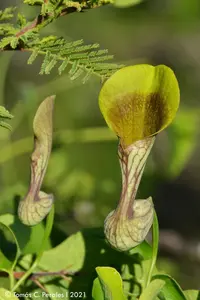
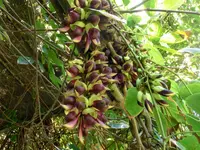
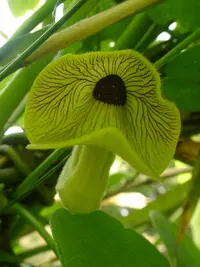
This species produces greenish to purplish flowers with a curved, pipe-like tube and a distinctly lobed limb, which function as a trap for small pollinating insects such as flies.

East Asian vine habitat

A. kaempferi is a twining woody climber native to parts of East Asia, where it typically grows in forest margins and thickets, using nearby vegetation for support as it reaches for light.

Specialist butterfly host

In its native range, this species serves as a larval food plant for certain Aristolochia-specialist swallowtail butterflies, whose caterpillars are adapted to feed on its chemically defended leaves.

FAQs about Aristolochia kaempferi

This species is a twining vine that climbs by wrapping its flexible stems around supports rather than using tendrils or adhesive pads. Without a structure to climb, it will scramble over nearby plants or along the ground.

Grow Healthy Plants with Botan Care

Keep your plants happy and healthy with plant identification, disease detection, and easy care guidance.

Botan plant care app — identify plants on mobile

Explore More Plants