Encourage Upright Climbing
Provide a moss pole, bark slab, or plastic trellis and loosely tie young vines with soft plant ties to encourage stronger, thicker stems and larger leaves over time when growing Chinese Pothos.

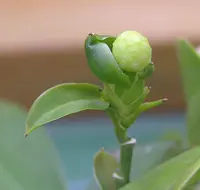
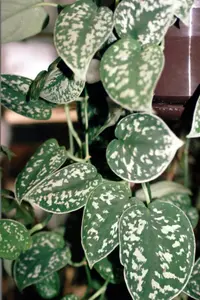
Chinese pothos (Pothos chinensis) is a vining aroid grown mainly for its lush green foliage and adaptable indoor habit. It typically produces trailing or climbing stems with heart-shaped leaves. In nature it is found in parts of East Asia, where it grows in warm, shaded forest environments with consistent moisture. The plant’s moderate growth rate and tolerance of indoor conditions make it suitable for many homes. It is usually considered easy to grow if kept in stable temperatures and protected from harsh direct sun. Understanding how to care for Chinese Pothos starts with providing bright, filtered light, evenly moist but not waterlogged soil, and good drainage.

Care Difficulty
Moderate Care

Light Preference
Partial Shade

Water Requirements
Moderate Water

Temperature Preference
Warm Climate

Hardiness Zone
Unknown

Soil Texture
Loamy, Organic-rich

Soil pH
Acidic (5.5–6.5), Slightly acidic (6.5–7.0)

Soil Drainage
Moist but well-drained

Fertilization
Light (every 4–6 weeks)
Scan your plant to receive care tips personalized for your specific plant
Available on iOS and Android
This species prefers bright, indirect light with some protection from harsh midday sun.
This plant prefers evenly moist but not saturated soil, with short dry periods between waterings.
This species grows best in warm, stable conditions without exposure to frost.
This species prefers moderate household humidity but stays healthy across a broad range if other conditions are stable.
This plant grows best in a loose, airy, organic-rich mix that drains quickly but holds some moisture.
This species is well suited to container growing, both as a trailing and climbing plant.
Pothos chinensis responds well to light, consistent feeding during active growth in spring and summer.
Pruning helps keep Pothos chinensis compact, leafy, and free of weak growth.
Container-grown plants benefit from occasional repotting to maintain root health and steady growth.
This species is commonly multiplied from stem cuttings rather than seed for consistent results.
Indoor or mild-climate cultivation keeps this plant safest, as it is not frost hardy.

Plant Health Check
Not sure what's wrong with your plant? Check your plant's health inside the app.
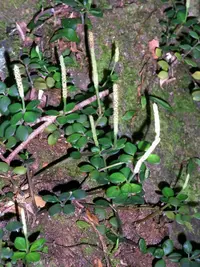
This species occurs naturally on shaded limestone cliffs and rocky slopes in parts of southern China, where its roots anchor into crevices and thin mineral soils rather than deep forest soil layers.
In the wild, the plant starts as a ground creeper and then climbs rock faces or tree trunks, where its juvenile leaves can press flat against the surface in a shingling pattern to maximize light capture in low-light understory conditions.
Mature plants growing in high humidity and strong filtered light can develop slightly larger, thicker leaves on climbing stems than on trailing stems, showing a modest shift between juvenile and adult growth forms without the dramatic fenestrations seen in some related aroids.
Yellowing leaves usually result from excess water, poor drainage, or old foliage naturally aging. Check for soggy soil, compacted mix, or clogged drainage holes. Remove badly damaged leaves and adjust watering frequency and potting medium accordingly.
Keep your plants happy and healthy with plant identification, disease detection, and easy care guidance.