Black Bryony Care (Dioscorea communis)

Black Bryony

About Black Bryony

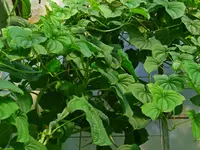
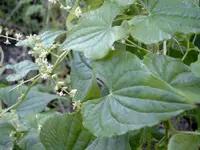
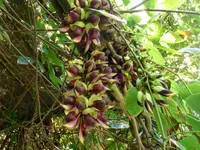
Black bryony, Dioscorea communis, is a climbing perennial vine native to Europe and parts of North Africa. It usually grows through hedges, shrubs, and along woodland edges. The plant has slender, twining stems, heart-shaped glossy leaves, and showy clusters of red berries that persist into winter. Underground, it forms a large, fleshy tuber. In gardens, it is sometimes grown for its bright seasonal berries and informal, wild look, but it can spread quickly and become difficult to control. It prefers humus-rich, moist, well-drained soil and partial shade. Anyone wanting to know how to care for Black Bryony should first understand its toxic nature and strong growth habit.

Main Plant Requirements

Care Difficulty

Moderate Care

Light Preference

Partial Shade

Water Requirements

Moderate Water

Temperature Preference

Cool Climate

Hardiness Zone

5–9

Soil Texture

Loamy, Silty, Organic-rich

Soil pH

Acidic (5.5–6.5), Slightly acidic (6.5–7.0)

Soil Drainage

Moist but well-drained

Fertilization

Minimal (feed rarely)

Get Personalized Care Plan

Scan your plant to receive care tips personalized for your specific plant

Available on iOS and Android

How to Care for the Black Bryony

This woodland climber prefers soft, filtered light that mimics a forest edge.

  • Provide dappled shade or light shade with 2–4 hours of gentle morning sun; avoid harsh midday and afternoon exposure that can scorch leaves.
  • Black Bryony tolerates deeper shade but may produce fewer flowers and berries if it receives less than 2 hours of indirect brightness daily.
  • In summer, protect from intense heat by using overhead canopy or shrubs; in winter, leaf drop exposes stems to more light, which is generally not harmful outdoors.

This perennial vine forms a tuber that stores water, so the soil should not stay constantly wet.

  • Outdoors in typical loam, allow the top 3–5 cm of soil to dry before watering again, then water thoroughly so moisture reaches the root zone.
  • During active growth in spring and early summer, watch foliage; slight limpness and dull leaf color often indicate the plant is ready for a deep soak.
  • Reduce watering sharply once leaves yellow and die back in late summer or autumn, as the tuber of Dioscorea communis prefers drier soil while dormant and rots in soggy ground.

This temperate vine is hardy but responds best to mild, not extreme, conditions.

  • Active growth is strongest at 60–75°F (16–24°C), typical of cool to mild springs and early summers in many temperate regions.
  • The plant tolerates brief drops to about 20–25°F (-6 to -4°C) once established, but emerging spring shoots are tender and can be damaged by late frosts.
  • In hot areas, regular summer highs up to 85–90°F (29–32°C) are acceptable if roots stay shaded and moist; prolonged heat above this can cause early dormancy.

This species tolerates a wide humidity range and rarely needs special humidity management.

  • Aim for 40–60% humidity, similar to average indoor air, without deliberate humidification.
  • Dry central-heated air is usually tolerated; leaf yellowing or tip browning typically signals watering or light issues rather than humidity stress.
  • Only increase humidity slightly, for example by grouping plants, if foliage repeatedly crisps despite correct watering and light.

Dioscorea communis prefers loose, well-drained, humus-rich soil that does not stay waterlogged.

  • Use a loamy mix with 40–50% organic matter, such as garden loam blended with leaf mold or compost, to support vigorous tuber growth.
  • Ensure sharp drainage by adding coarse sand or fine grit and some perlite so excess water leaves the root zone quickly.
  • Keep pH slightly acidic to neutral, around 6.0–7.0, avoiding very alkaline substrates that can reduce nutrient availability.
  • Avoid heavy clay or compacted ground; lighten dense soil with added organic matter and mineral grit to improve aeration around the tuber.

This vine can be grown in containers when its tuber and climbing habit are considered.

  • Choose a deep, heavy pot that resists tipping once the vine climbs or when the tuber becomes large and top-heavy.
  • Provide a tall, stable support structure anchored in the pot so new shoots can be directed upward without loosening the substrate.
  • Use a free-draining mix and elevate the container slightly so drainage holes never sit in collected runoff water.

This woodland climber usually grows well without feeding, but light fertilization can support container-grown or stressed Black Bryony.

  • Use a balanced, diluted liquid fertilizer (around 10-10-10 or 20-20-20 at 1/4 strength) for plants in pots or poor soil.
  • Feed every 4–6 weeks during active growth in spring and early summer only.
  • Avoid fertilizing in late summer, fall, and winter when growth slows or vines die back.
  • Prefer compost or slow-release fertilizer in the surrounding soil rather than heavy, frequent liquid feeding.

Pruning Dioscorea communis is mainly cosmetic and for containment rather than plant health.

  • Cut back dead, damaged, or tangled stems in late winter or very early spring before new shoots emerge.
  • Use clean, sharp hand pruners and make cuts just above a node to reduce dieback.
  • Thin out overcrowded vines to control spread and keep nearby shrubs or fences from being smothered.
  • Avoid severe cutting into the root zone, as the underground tuber stores energy for next season’s growth.

This species is rarely grown in pots; management usually focuses on careful transplanting of its tuberous root system.

  • Transplant in late fall or early spring when the plant is dormant and stems have died back.
  • Look for signs such as poor vigor, overcrowded clumps, or roots exposed or circling a container if grown in a pot.
  • Lift the tuber gently, keeping as much surrounding soil as possible to limit root stress.
  • Replant at the same depth in a well-drained site, water lightly, and avoid disturbing the tuber again for several years.

Propagation of Dioscorea communis is usually done from seed and is slower than many garden vines.

  • Collect ripe berries in late summer or fall, then clean and sow seeds in a free-draining seed mix.
  • Provide cool stratification if possible, mimicking winter conditions to improve germination.
  • Keep the seed tray just moist, in bright shade, and expect uneven, sometimes delayed sprouting.
  • Division or cuttings are seldom practical due to the single, sensitive tuberous root.

In much of its range this plant is hardy and normally needs minimal winter care outdoors.

  • The top growth dies back after frost, but the underground tuber survives typical temperate winters.
  • In colder regions or exposed sites, apply a 5–7 cm mulch layer over the root zone after the first hard frost.
  • For container plants, move pots into a cold, frost-free, bright place and keep the soil barely moist.

Care Tips

Seasonal Dieback Management

Allow the vine to yellow and die back naturally in late autumn, then cut stems to ground level and clearly mark the tuber location so you do not disturb it during winter digging or spring soil work.

Discreet Climbing Support

Install a thin wire, mesh, or unobtrusive trellis early in the season so the twining stems can climb securely without snapping, especially in windy or exposed sites.

Root Spread Control

To limit spread, grow the plant in a large, deep container or install an underground root barrier sleeve before planting the tuber, making later lifting or division more manageable.

Berry Removal Routine

If self-seeding is not desired, remove green flower spikes or developing red berries with clean pruners and dispose of them with household waste rather than compost to avoid unwanted seedlings.

Protective Site Planning

Because all parts are toxic if ingested, site the plant away from play areas and use clear labels or small fencing where children or pets are present when caring for Black Bryony.

Common Pests and Diseases

Leaf miner larvae

This pest tunnels within the leaf tissue, creating winding, pale galleries that can cause premature yellowing and reduced photosynthesis.

Solution

Remove and dispose of affected leaves as soon as mines appear, then monitor new growth closely; for persistent issues, use a targeted biological control such as Bacillus thuringiensis (Bt) applied according to label directions to young larvae on tender foliage.

Aphids

These insects cluster on young shoots and the undersides of leaves, sucking sap and causing distortion, sticky honeydew, and sooty mold growth.

Solution

Wash colonies off with a firm stream of water, pinch back heavily infested shoot tips, and, if needed, apply insecticidal soap or a light horticultural oil, making sure to cover the undersides of leaves and repeating after 5–7 days if populations persist.

Rust

This disease produces orange to reddish-brown pustules on the undersides of leaves with yellowing patches above, reducing vigor and causing early leaf drop.

Solution

Cut off and discard infected leaves, avoid overhead watering, and improve spacing and airflow around the vine; in recurrent cases, use a labeled sulfur or copper-based fungicide early in the season at the first appearance of spots.

Leaf spot

Symptoms include small brown, purple, or tan lesions on leaves that may coalesce into larger dead areas, especially in warm, wet conditions or dense shade.

Solution

Remove affected foliage, keep the plant foliage as dry as possible by watering at the base, and thin surrounding vegetation to improve airflow; in severe outbreaks, a broad-spectrum fungicide labeled for ornamental vines can be applied preventively to new leaves.

Interesting Facts

Twining growth direction

This species climbs by twining its stems clockwise around supports, a consistent growth pattern that helps distinguish it from some similar European climbing plants that twine in the opposite direction.

Sexes on separate plants

Dioscorea communis is dioecious, meaning male and female flowers grow on different plants, so only female plants develop the characteristic strings of red berries after pollination.

Berry color change

Its fruits mature from green to bright, glossy red in late summer to autumn, a visual cue that signals ripeness to birds, which then disperse the seeds.

Botan icon

Did you know?

Despite its common name black bryony and its membership in the yam family, every part of this plant, including the underground tuber, is considered toxic and is not used as a food crop, unlike true edible yams.

FAQs about Black Bryony

All parts of this species are toxic if eaten, especially the berries and tubers. Ingestion can cause severe stomach upset, vomiting, diarrhea, and neurological symptoms. Keep children and pets away and seek medical help after suspected poisoning.

Grow Healthy Plants with Botan Care

Keep your plants happy and healthy with plant identification, disease detection, and easy care guidance.

Botan plant care app — identify plants on mobile

Explore More Plants