Peperomia bracteata Care

Peperomia bracteata

About Peperomia bracteata

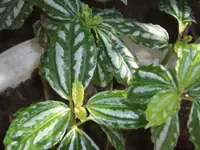
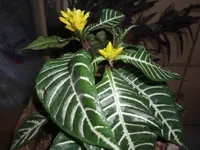
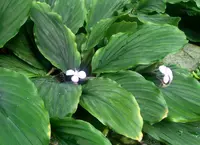
Peperomia bracteata is a compact tropical houseplant from Central and South America, belonging to the pepper family. It typically grows as a small, bushy plant with fleshy, oval leaves and short stems. The foliage often has a slightly succulent texture, which allows it to store some water and tolerate brief dry periods. This trait, together with its slow, tidy growth habit, makes it suitable for desks, shelves, and mixed indoor collections. It is generally considered easy to grow as long as it receives bright, indirect light, moderate watering, and a free-draining potting mix. For most home growers, learning how to care for Peperomia bracteata is straightforward and low effort.

Main Plant Requirements

Care Difficulty

Easy Care

Light Preference

Bright Indirect Light

Water Requirements

Moderate Water

Temperature Preference

Tropical / Frost Sensitive

Hardiness Zone

11–12

Soil Texture

Loamy, Sandy, Organic-rich

Soil pH

Acidic (5.5–6.5), Slightly acidic (6.5–7.0)

Soil Drainage

Well-drained

Fertilization

Light (every 4–6 weeks)

Get Personalized Care Plan

Scan your plant to receive care tips personalized for your specific plant

Available on iOS and Android

How to Care for the Peperomia bracteata

This species prefers bright but gentle light that mimics dappled woodland shade.

  • Provide 4–6 hours of bright, indirect light daily, such as near an east window with morning sun and filtered light for the rest of the day.
  • Protect from strong midday and afternoon sun; direct rays through glass can scorch leaves, causing pale, rough, or brown patches on Peperomia bracteata.
  • In winter, move plants closer to bright windows or use sheer-curtained south or west exposures to compensate for shorter, weaker daylight.

Watering should respect the plant’s semi-succulent leaves and its need for air around the roots.

  • Allow the top 2–3 cm of soil to dry before watering, then water thoroughly so excess drains away, avoiding any standing water around the roots.
  • In spring and summer, expect to water more often as growth and evaporation increase; in fall and winter, extend the drying period between waterings.
  • Watch for soft, yellowing, or translucent leaves as signs of overwatering, and for wrinkling or limp, thin leaves as signs of underwatering in Peperomia bracteata.

Stable, mild warmth supports steady growth and reduces stress for this species.

  • Aim for 65–80°F (18–27°C) for best growth, avoiding frequent swings of more than 10°F (5°C) in a short period.
  • Keep it above 55°F (13°C); exposure below this, especially with drafts, can cause leaf drop or dark, mushy spots, and the plant does not tolerate frost.
  • In hot weather above 85°F (29°C), increase air movement and shade from harsh sun to limit heat stress and leaf wilting.

This species prefers moderate room humidity and usually adapts well in homes.

  • Target 40–60% humidity; it tolerates brief dips but prolonged very dry air can stress Peperomia bracteata.
  • Watch for crispy leaf edges, slowed growth, and leaf drop as signs of low humidity stress.
  • Increase humidity with a nearby open tray of water and stones or by grouping plants, rather than misting leaves directly.

This plant needs a loose, fast-draining mix that stays slightly moist but never heavy or compacted.

  • Use a mix of 40% fine bark, 30% coco coir or peat, and 30% perlite or pumice to create an airy, chunky structure.
  • Aim for a slightly acidic to neutral pH of 6.0–7.0, which suits nutrient uptake and root health.
  • Ensure drainage is rapid; water should flow through in seconds and the mix should feel light and crumbly, not sticky.
  • Avoid dense garden soil, high-clay mixes, or pots without drainage holes, which promote root rot and stem collapse in peperomias.

This species is well suited to container growing due to its compact, shallow root system.

  • Choose a shallow, wide pot so roots spread laterally and the plant’s creeping stems can fill the surface evenly.
  • Select terracotta if extra evaporation is needed for a mix that tends to stay wet, or glazed ceramic to slow drying in hot rooms.
  • Ensure drainage holes are large and unobstructed, and empty cache pots or saucers promptly so the lower root zone never sits in water.

This compact succulent peperomia benefits from light, controlled feeding rather than heavy fertilization.

  • Use a balanced liquid fertilizer (around 10-10-10 or 20-20-20) diluted to 25–50% strength during active growth in spring–summer.
  • Apply every 4–6 weeks only if Peperomia bracteata shows steady new growth in good light.
  • Avoid slow-release pellets in very small pots, as they can over-supply nutrients to the shallow root system.
  • Do not feed in late fall and winter; maintain good light and proper watering instead.

Pruning is mainly used to keep this plant compact and remove weak growth.

  • Best time for light pruning is in spring or early summer when growth is most active.
  • Use clean, sharp scissors to remove dead, yellowing, or damaged leaves at the base of the petiole.
  • Pinch or trim leggy stems above a leaf node to encourage branching and a denser shape in Peperomia bracteata.
  • Remove crowded interior stems to improve airflow and reduce the risk of rot in thick foliage.

This species prefers slightly tight pots and only needs infrequent repotting under indoor conditions.

  • Check for roots circling the bottom drainage holes, slow growth despite good care, or the pot drying out in 1–2 days as signs to move Peperomia bracteata up.
  • Plan repotting for spring, about every 2–3 years, or only when clearly root-bound.
  • Choose a pot just 2–3 cm wider with excellent drainage and a gritty, airy mix to limit waterlogging.
  • Water lightly after repotting, keep in bright indirect light, and avoid heavy feeding for 3–4 weeks while roots re-establish.

This plant is commonly multiplied from stem or leaf cuttings rather than seed.

  • Take healthy tip or leaf-petiole cuttings in late spring or early summer from non-flowering shoots of Peperomia bracteata.
  • Allow cut surfaces to dry for a few hours, then place in a very well-drained, slightly moist mix with high perlite content.
  • Maintain warmth around 70–75°F, bright indirect light, and high but not stagnant humidity for rooting.
  • Avoid overwatering; keep the medium barely moist until new leaves and gentle resistance indicate root formation.

This tender species is best treated as a warm indoor plant in regions with cool winters.

  • Peperomia bracteata is frost-sensitive and should be kept above 55°F, ideally 60–75°F, year-round.
  • Overwinter container plants indoors near a bright window, away from cold drafts and heater blasts.
  • Water less frequently in winter, allowing the top mix to dry more deeply while avoiding complete desiccation.
  • Do not use heavy mulching; instead rely on stable indoor conditions and good airflow to prevent rot.

Care Tips

Rotate for symmetry

Turn the pot 90° every 2–3 weeks so the fleshy stems receive even light and do not lean or flatten on one side over time.

Use shallow containers

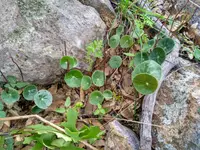
Plant in a wide, shallow pot to match the naturally shallow root system and reduce the risk of water accumulating in deep soil layers.

Lift test for rot

If stems look shriveled despite moist soil, gently lift the plant from the pot to check for black, mushy roots and remove affected parts before replanting in fresh mix.

Support trailing stems

Guide longer stems over a low rim or small support stones so they do not kink against the pot edge, which can restrict sap flow and cause weak segments.

Seasonal growth check

At the start of spring, inspect nodes along each stem for small new buds to confirm active growth, then adjust any slow-release fertilizer timing to match this phase when caring for Peperomia bracteata.

Common Pests and Diseases

Mealybugs

This pest often hides along stems and leaf joints, appearing as small white cottony clusters that stunt growth and cause leaf yellowing or deformation.

Solution

Wipe affected areas with cotton swabs dipped in 70% isopropyl alcohol, then rinse the plant gently and isolate it; repeat weekly until no new clusters appear and improve light and airflow as part of Peperomia bracteata care instructions to discourage reinfestation.

Spider mites

These insects thrive on thin, succulent leaves in dry indoor air, causing pale stippling, dull foliage, and fine webbing between leaves and stems.

Solution

Shower the plant with lukewarm water to remove mites, then raise humidity to 40–60%, improve air circulation, and apply an insecticidal soap or neem oil spray to leaf undersides every 5–7 days for several cycles.

Fungal leaf spots

This disease shows as small water-soaked or brown spots on leaves, sometimes with a yellow halo, which can merge into larger patches on stressed plants.

Solution

Remove and discard affected leaves, keep foliage dry by watering only at the soil level, increase spacing and airflow, and, if spots keep spreading, use a copper-based or other labeled houseplant fungicide according to the product directions.

Southern blight

This disease, favored by warm, wet substrates, causes sudden wilting, stem base collapse, and white fungal growth with small tan sclerotia at soil level.

Solution

Discard heavily affected plants and contaminated soil, sterilize or replace pots, avoid burying stems too deeply, and water only when the top 2–3 cm of the mix is dry to keep the succulent roots from staying constantly wet.

Fungus gnat larvae

These insects lay eggs in consistently moist potting mix; the larvae feed on fine roots, causing slow growth, fading color, and increased susceptibility to rot in the shallow root system.

Solution

Allow the top 3–4 cm of soil to dry between waterings, use yellow sticky traps for adults, and treat the substrate with a biological control such as Bacillus thuringiensis israelensis (BTI) or a sand/grit top dressing to reduce breeding sites.

Interesting Facts

Semi-succulent storage stems

This species develops slightly thickened, water-storing stems that let it tolerate short dry spells better than many other peperomias, a trait linked to its native habitats with intermittent moisture.

Epiphytic growth habit

In the wild it often grows as an epiphyte on tree bark or decaying wood, anchoring with fine roots into organic debris rather than deep soil, which explains its preference for very airy, fast-draining substrates.

Piper family relative

Peperomia bracteata belongs to the Piperaceae, the same family as black pepper, and shares the family’s characteristic spike-like inflorescences, although its flowers are tiny and primarily adapted for wind or small-insect pollination.

FAQs about Peperomia bracteata

Brown, crispy leaf edges usually come from chronic underwatering, very low humidity, or excess fertilizer salts in the potting mix. Check soil moisture more often, flush the pot occasionally, and keep the plant away from hot, dry air drafts.

Grow Healthy Plants with Botan Care

Keep your plants happy and healthy with plant identification, disease detection, and easy care guidance.

Botan plant care app — identify plants on mobile

Explore More Plants