


red star (Hypoxis baurii) Light Needs

red star grows best in partial sun, with bright outdoor light and several hours of gentle direct sun daily.

Light Preference

Partial Sun

Hypoxis baurii Light Requirements

This species is associated with open, seasonally moist grassland habitats in southern Africa, where low surrounding vegetation allows frequent sun but not constant deep shade. In cultivation, that background translates to strong outdoor light, especially during active spring and summer growth. Hot, exposed sites can still stress foliage if the change is sudden. It prefers partial sun with several hours of direct morning light.

  • Ideal exposure:

    red star needs about 6–8 hours of bright outdoor light daily in partial sun, including about 3–5 hours of direct sun, preferably in the morning.

  • Full sun:

    It can tolerate full sun in cool or mild conditions when introduced gradually and protected from extreme heat.

  • Lower light:

    Light shade is tolerated briefly, but deep shade usually leads to weak leaves and fewer flowers.

  • Afternoon heat:

    Strong afternoon sun is riskier than morning sun, especially for containers and recently moved plants.

Excess sun usually shows after a sudden move into hotter exposure.

Bleached patches:

Pale tan areas can appear on narrow leaves where intense sun hits most directly.

Scorched tips:

Leaf tips may turn dry and brown after sudden exposure to stronger sun.

Flattened foliage:

Leaves may look limp or pressed down during hot afternoon exposure, even before permanent scorch appears.

Short-lived flowers:

Blooms may fade faster when heat and direct sun are stronger than the plant was acclimated to handle.

Move the plant to partial sun with morning exposure and light afternoon shade. Reintroduce stronger sun gradually after new growth looks steady.

Weak light often shows through growth shape before leaves show damage.

  • Stretched leaves:

    New leaves may grow longer, softer, and less upright as they reach toward stronger light.

  • Leaning growth:

    The plant may tilt toward the brightest side instead of forming an even clump.

  • Fewer flowers:

    Bud production can drop when light is too weak during the active growing season.

  • Small new growth:

    Fresh leaves may stay narrower and shorter than expected when the plant lacks energy from light.

Move it to a brighter partial-sun position, preferably with morning direct sun. Increase light over several days if it has been in shade for a long time.

If the ideal site is not available, choose the brightest partial-sun spot and favor morning exposure over hot afternoon exposure. Move container-grown plants a few feet if leaves pale or flowers fade quickly.

Rotate containers every week during active growth so leaves stay upright and buds receive even light. In very open sites, use light afternoon shade during heat spells.

A deeply shaded bed is unsuitable because it limits flowering and encourages soft, stretched foliage.

Get Personalized Care Plan

Scan your plant to receive care tips personalized for your specific plant

FAQ

During active growth, aim for about 6–8 hours of bright outdoor light daily, including roughly 3–5 hours of direct sun. Morning sun is usually the safest direct exposure.

More Plant Light Guides

Get the Botan App

Discover how to care for your plants with Botan.

Botan app identifying a plant with a phone camera
How to Repot a Plant: A Step-by-Step Guide

7 min read · 28 May 2026

How to Repot a Plant: A Step-by-Step Guide

In spring, many plants need repotting—an essential part of care. To avoid stress, consider the plant’s type and size. This article offers a step-by-step guide for repotting indoors or outdoors and shows how to check plant health and get care tips using the Botan App.

Plant Care
How to Repot a Plant: A Step-by-Step Guide
How to Bottom Water Plants: Complete Guide

6 min read · 13 Jul 2026

How to Bottom Water Plants: Complete Guide

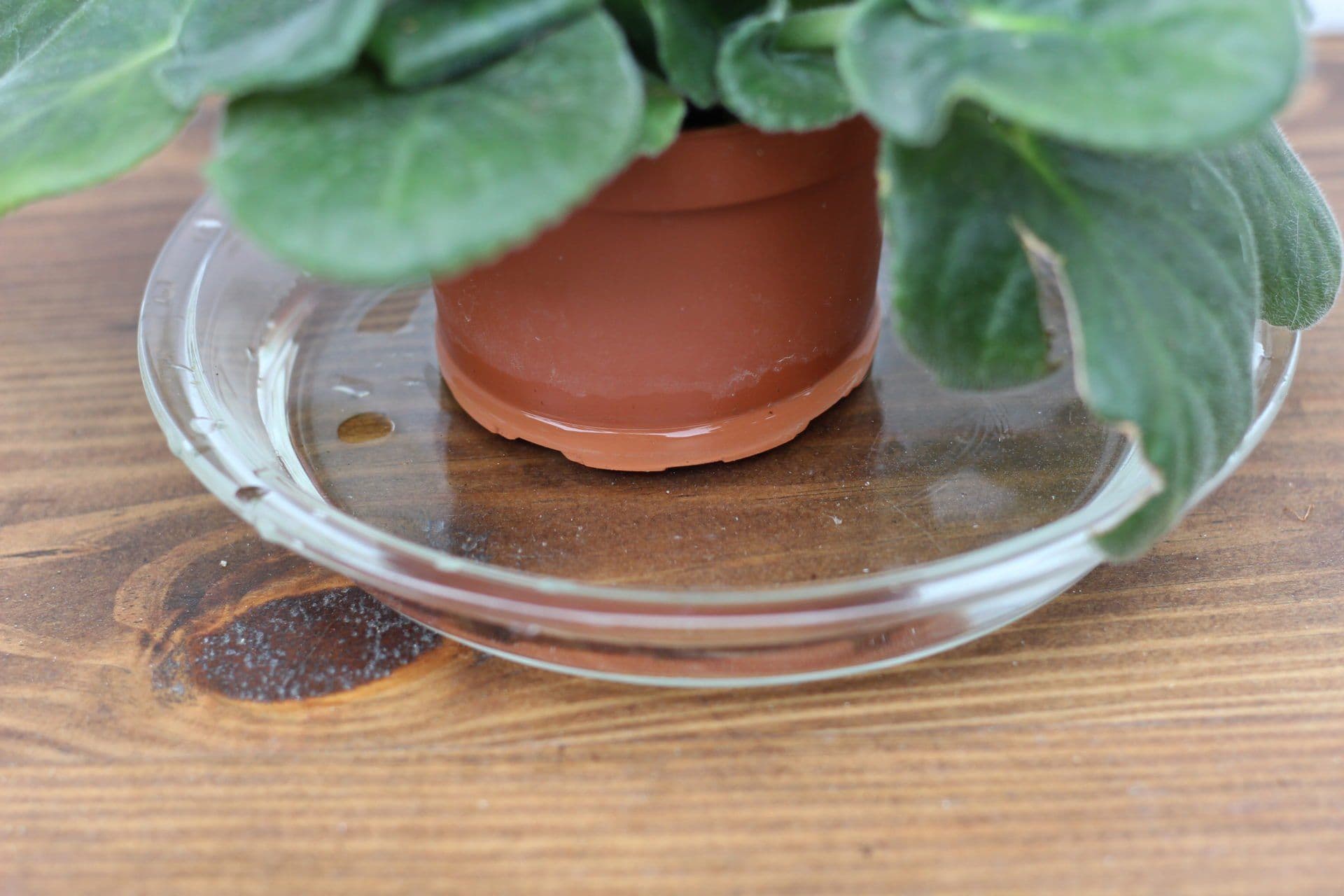
Bottom watering helps soil absorb moisture evenly and keeps foliage dry, reducing the risk of missed dry spots or root problems. Place the pot in a tray of water for a short time, then let it drain well.

Plant Care
How to Bottom Water Plants: Complete Guide
12 Best Plants for Bathroom That Thrive in Humid Conditions

9 min read · 29 Sept 2026

12 Best Plants for Bathroom That Thrive in Humid Conditions

Discover the 12 best plants for bathroom spaces. Each pick comes with its own advantages, plus light, humidity, watering, and placement tips. Take a look and match the plant to your specific bathroom.

Plant Recommendations
12 Best Plants for Bathroom That Thrive in Humid Conditions