



Best Soil for acacia (Acacia ligulata)

Acacia ligulata grows best in loose, sharply drained soil that supports healthy roots and avoids long periods of soggy conditions.

Soil Texture

Sandy, Loamy, Rocky

Soil pH

Slightly acidic (6.5–7.0), Slightly alkaline (7.0–7.5)

Soil Drainage

Well-drained

Acacia ligulata Soil Guide

Native to inland Australia, Acacia ligulata grows in dry, open landscapes where soils are often sandy, loamy, or stony and water drains away quickly. Those conditions help explain why the best soil for acacia is loose, airy, and not rich or heavy.

A well-drained, mineral-lean substrate suits this species because its roots are adapted to brief moisture followed by drying. Acacia soil should hold a little moisture between waterings, but excess water around the roots limits oxygen and does not match the plant’s natural growing conditions.

A simple homemade mix can give Acacia ligulata the fast drainage and air flow it prefers in containers.

100% total mix = 20 scoops
10%
small gravel or fine grit2 scoops
20%
pumice or perlite4 scoops
30%
potting soil6 scoops
40%
coarse sand8 scoops

The finished blend should feel crumbly and gritty, hold together only lightly when squeezed, and let excess water move through without staying heavy.

A good target for acacia is about 6.5–7.5 pH. That places it in slightly acidic to slightly alkaline soil, close to neutral, where key nutrients remain available without becoming overly restricted.

Acacia ligulata can handle a modest pH swing within that range, but extremes may reduce uptake of nutrients even when they are present in the soil.

Most soil-related setbacks come from poor air flow around the roots or a mix that stays heavy too long. Acacia often copes better with lean conditions than with stale, compacted soil.

Compacted mix:

Compacted mix: Soil dries slowly, feels hard, or shrinks from the pot edge, so loosen the surface gently and replace part of the mix with a more open blend.

Poor drainage:

Poor drainage: Water lingers and the root zone stays airless, so first check drainage holes and move the plant into a faster-draining medium if needed.

Excess organic matter:

Excess organic matter: A rich mix can stay damp and dense for too long, so cut it with more mineral material to improve structure and drying speed.

Salt buildup:

Salt buildup: A pale crust on the soil surface can interfere with root function, so scrape off the top layer and flush thoroughly if the container drains well.

Scan for Better Soil

Botan can help assess your plant and guide you toward a soil choice that better matches its root and drainage needs.

FAQ

Yes. Drainage holes are important because this species handles excess moisture poorly in containers. They let extra water escape and help the root zone keep enough air after watering.

Everything About acacia

More Plant Soil Guides

Could It Be the Soil?

Soil may be one factor behind visible decline. Botan’s photo-based assessment can help you check whether the growing mix is worth a closer look.

Botan app helping with soil and plant care
Top 15 Plants That Don’t Need Sunlight

8 min read · 17 Sept 2026

Top 15 Plants That Don’t Need Sunlight

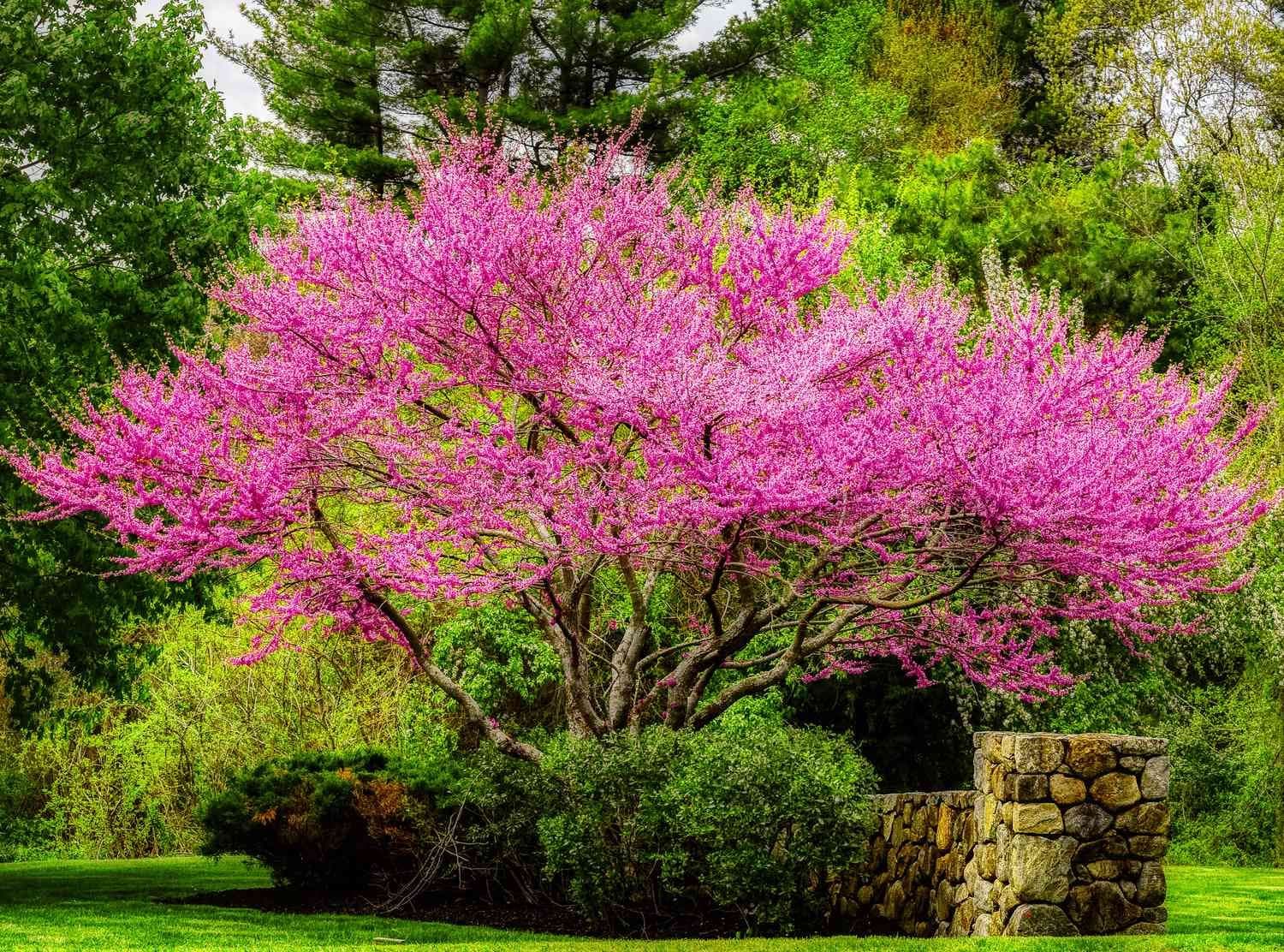
Some plants thrive in dim rooms, shaded corners, and places with indirect light. In this guide, you’ll explore the top 15 species best suited to low-light conditions and how to care for them.

Plant Recommendations
Top 15 Plants That Don’t Need Sunlight
Top 15 Fast-Growing Trees For Your Garden

13 min read · 28 Jul 2026

Top 15 Fast-Growing Trees For Your Garden

Learn which of the 15 fastest-growing trees will suit your area. We’ll share detailed information on each: growth rate, mature spread, key tree demands, and main vulnerabilities. Read on and make the best choice possible.

Plant Recommendations
Top 15 Fast-Growing Trees For Your Garden
Best Fertilizer for Vegetable Gardens – What to Use for Each Plant

11 min read · 20 Jul 2026

Best Fertilizer for Vegetable Gardens – What to Use for Each Plant

Here, you’ll find the right fertilizer formula for vegetables in your garden. Learn how to adjust feeding correctly throughout the growing cycle, spot nutrient deficiencies by their symptoms, and keep your plants healthy and prolific.

Plant Recommendations
Best Fertilizer for Vegetable Gardens – What to Use for Each Plant