










Best Soil for Lilac (Syringa vulgaris)

For Syringa vulgaris, the right soil texture, drainage, and pH support steady root development and better overall plant health.

Soil Texture

Loamy, Sandy, Clay

Soil pH

Slightly acidic (6.5–7.0), Slightly alkaline (7.0–7.5)

Soil Drainage

Well-drained

Syringa vulgaris Soil Guide

Native to southeastern Europe, Syringa vulgaris comes from regions with open, sunny slopes and woodland edges where water moves through the ground fairly well. That background explains why it prefers soil that stays evenly moist for a time but does not remain soggy.

The best soil for Lilac is well-drained and airy, with a loamy base that can lean sandy or clay-rich as long as it does not compact heavily. Its woody root system benefits from oxygen around the roots, while some moisture-holding capacity supports steady growth and flowering.

A custom mix helps control texture and drainage more precisely for Syringa vulgaris in containers or planting areas with difficult native soil.

100% total mix = 20 scoops
15%
perlite or pumice3 scoops
20%
compost4 scoops
25%
coarse sand5 scoops
40%
loam-based garden soil8 scoops

The finished blend should feel crumbly and sturdy, not sticky or dense, and excess water should move through without leaving the root zone soggy.

Lilac grows best in slightly acidic to slightly alkaline soil, with a practical target of about 6.5–7.5 pH. In that range, key nutrients stay more available and roots can take them up more efficiently.

This species is fairly tolerant of near-neutral conditions, but strongly acidic soil can limit nutrient access over time. A mildly alkaline lean is often acceptable as long as the soil remains balanced and not excessively chalky.

This species often struggles more with poorly functioning root zones than with minor texture differences. Check the soil first when growth seems less vigorous than expected.

Compaction:

Compaction: dense soil can reduce air around roots and slow establishment, so gently loosen the surface and work in coarse material if the ground sets hard.

Waterlogging:

Waterlogging: if the soil stays wet for long periods after rain, roots may decline, so improve runoff or move container-grown plants to a pot with better drainage.

Crusting surface:

Crusting surface: a hard top layer can block air and water movement, so break it up lightly and add organic matter to improve structure.

Used-up container mix:

Used-up container mix: old media can shrink and drain unevenly around Lilac roots, so replace part or all of it with fresh, well-structured mix.

Match Plant to Soil

Botan helps match this plant to a suitable soil setup based on how it grows and the conditions in your home or garden.

FAQ

Often yes. If the site is heavy, compacted, or drains slowly, loosening a broad area and improving structure before planting helps roots establish more evenly than filling one small hole with amended soil.

More Plant Soil Guides

Soil Problem? Scan It.

Scan the plant with Botan to check whether a visible issue may be linked to soil conditions and get photo-based guidance on what to review next.

Botan app helping with soil and plant care
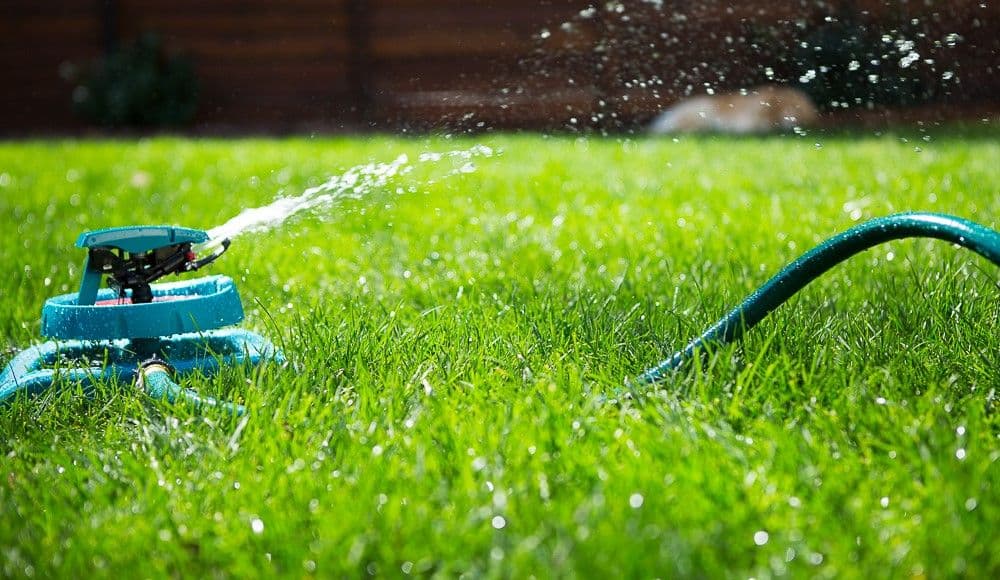
Best Time to Water Grass in Summer – Lawn Watering Tips

5 min read · 21 Jul 2026

Best Time to Water Grass in Summer – Lawn Watering Tips

Summer watering is easy to get wrong. This guide explains when to turn on your sprinkler, how much liquid your grass needs each week, and how to tell if you're overwatering or underwatering.

Plant Care
Best Time to Water Grass in Summer – Lawn Watering Tips
Can Plants Grow With Artificial Light?

6 min read · 15 Sept 2026

Can Plants Grow With Artificial Light?

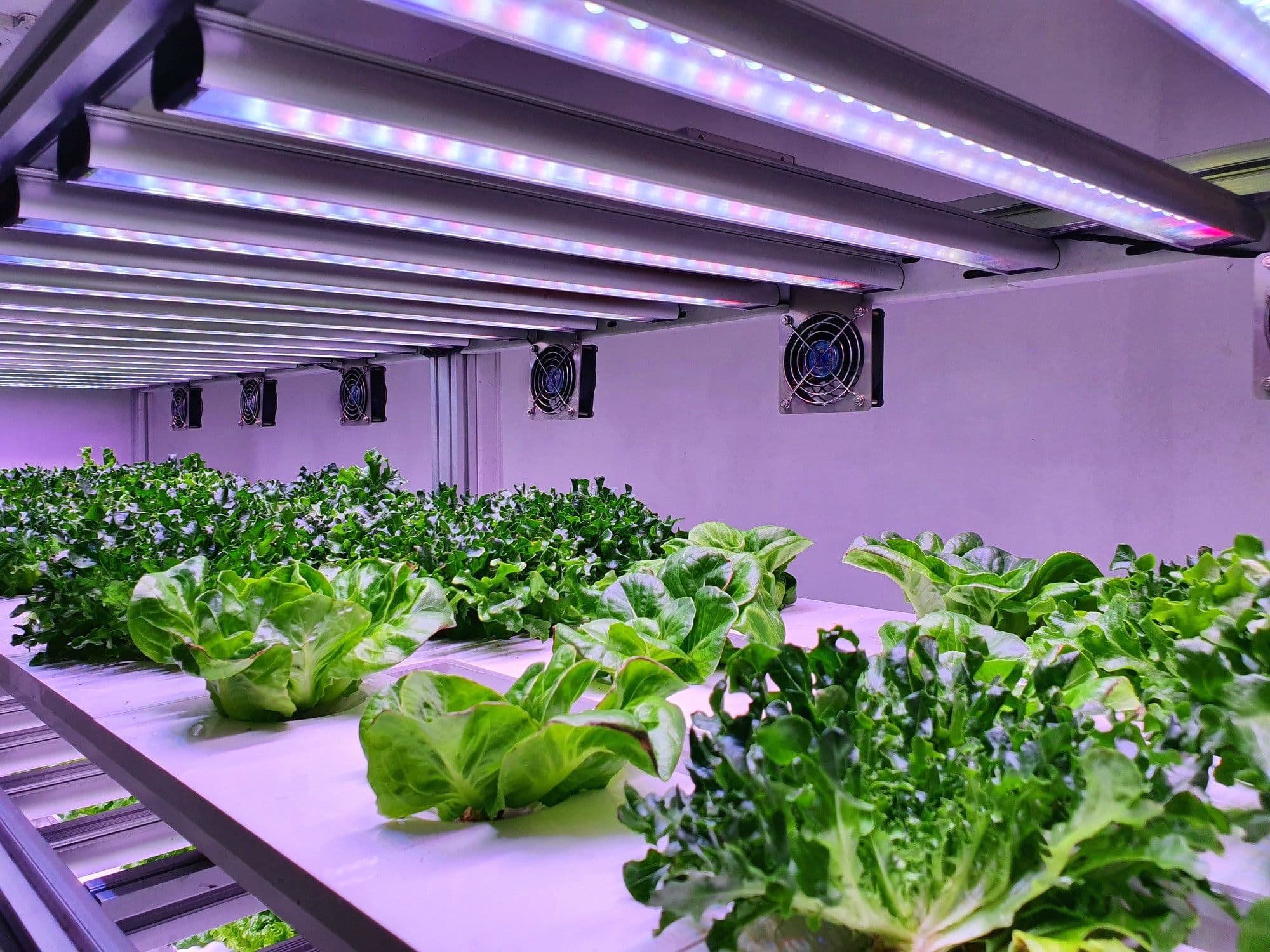
Plants can grow under artificial light when the setup provides a suitable spectrum, enough intensity, and sufficient daily exposure. This guide explains how artificial lighting compares with sunlight, which options work indoors, and how to match a setup to houseplants.

Plant Care
Can Plants Grow With Artificial Light?
10 Easy Garden Flowers to Grow

8 min read · 10 Sept 2026

10 Easy Garden Flowers to Grow

Discover 10 garden flowers that require minimal care. Learn which characteristics make plants easy to grow and follow tips on how to create a beautiful corner from beginner-friendly blooms on your property.

Beginner Guides
10 Easy Garden Flowers to Grow