

Lilac (Syringa vulgaris) Watering Guide

This page explains when, how often, and how much to water Syringa vulgaris in a straightforward, practical way.

Water Requirements

Moderate Water

Syringa vulgaris Watering

In the ground, Syringa vulgaris grows in temperate regions with moderate rainfall and well-drained soil. It prefers slight moisture, with soil that never stays saturated for long periods. This overview explains watering Lilac in a way that supports steady growth and reliable flowering.

In gardens, the basic approach is to keep soil lightly moist but not constantly wet. For container-grown plants, watering tends to be more frequent but still aims for the same gently moist balance.

Water when the top 1–2 inches (3–5 cm) of soil feel dry, as this shrub prefers consistent but not soggy moisture. Established Syringa vulgaris typically needs deep watering about every 7–14 days in the growing season, with shorter intervals in hot, windy weather and longer gaps in cool, rainy periods.

Water lilac when the top 2 inches of soil feel dry, using slow, deep soakings focused on the root zone.

  • Use a hose with a gentle flow at soil level, circling the shrub to distribute moisture evenly around the drip line.
  • Apply water slowly until soil is evenly moist 8–12 inches deep, allowing time for absorption rather than surface runoff.
  • Keep the base and stems wet, but avoid spraying foliage during hot, sunny periods to limit unnecessary evaporation losses.
  • Ensure surrounding soil drains freely and avoid allowing water to pool near the trunk or in low spots.

Incorrect moisture balance can trigger several stress symptoms in Syringa vulgaris over time.

Wilting Foliage:

Drooping leaves on warm days suggest drought stress from prolonged dry soil and inadequate deep watering.

Yellowing Lower Leaves:

Older leaves turning pale or yellow often indicate chronic overwatering and oxygen-poor soil conditions.

Brown Leaf Margins:

Crisp, brown edges on leaves typically result from inconsistent watering combined with hot, drying winds.

Poor Flower Bud Set:

Sparse or missing blooms frequently follow late-summer drought when developing buds lack steady soil moisture.

Root Rot:

Blackened, mushy roots with sour smell point to waterlogged, compacted soil and inadequate drainage.

Maintain evenly moist, well-drained soil, allowing the upper layer to dry slightly between thorough waterings.

Unsuitable watering habits can weaken Syringa vulgaris by stressing roots, reducing flowering, and making the shrub more vulnerable to weather extremes.

  • Rigid watering schedule: Watering on a fixed calendar, instead of checking soil moisture, can drown roots or leave them dry during hot, drying weather.
  • Soil that drains poorly: Planting in heavy, compacted soil keeps water around the roots too long; amend with mineral grit and organic matter for faster drainage.
  • Letting runoff sit: Leaving water pooled in a saucer or low spot keeps the root zone saturated; promptly empty saucers and improve site grading.

Aim for deep, occasional watering into well-draining soil, adjusted to current weather and soil moisture rather than a fixed rule.

  • Spring: As new shoots and flower buds develop, keep soil moderately moist, adjusting for natural rainfall and avoiding prolonged soggy conditions around roots.
  • Summer: Once flowering ends, water more deeply but less often during hot, dry spells, letting the upper soil partly dry between soakings.
  • Fall: Gradually reduce supplemental water, but provide an occasional deep watering during dry periods to support root health before dormancy.
  • Winter: Established shrubs in cold climates usually need no watering, except during unusual winter drought when soil is unfrozen and very dry.

Your Lilac Care Companion

Use Botan to get a clear watering guide and care steps for Syringa vulgaris, plus gentle photo-based checks that help spot potential issues before they become serious.

Botan plant care app — identify plants on mobile

Interesting Watering Facts

Prefers spring moisture

Common lilac forms its flower buds the previous summer but needs consistent soil moisture in early spring to fully hydrate buds and support abundant bloom. Prolonged spring drought often results in fewer or smaller flower clusters even if the plant otherwise looks healthy.


Avoids summer wet feet

This species tolerates moderately dry summer conditions better than constant wet soil. In climates with humid or rainy summers, it is more prone to root problems and poor flowering if planted where drainage is slow or water pools around the root zone.

Deep roots seek water

Established common lilac develops a relatively deep, wide-spreading root system that can access subsoil moisture. Mature shrubs often need supplemental watering only during extended drought, while newly planted shrubs depend on regular, even watering until roots extend outward and downward.

FAQ

Yes. Constantly wet roots reduce oxygen, encouraging root rot and fungal problems. After watering, empty the saucer within 15–20 minutes so excess moisture can drain and the root zone can dry slightly between waterings.

Everything About Lilac

More Plant Watering Guides

Is Your Watering Routine Hurting Your Lilac?

Use Botan to review your watering pattern and adjust it with confidence.

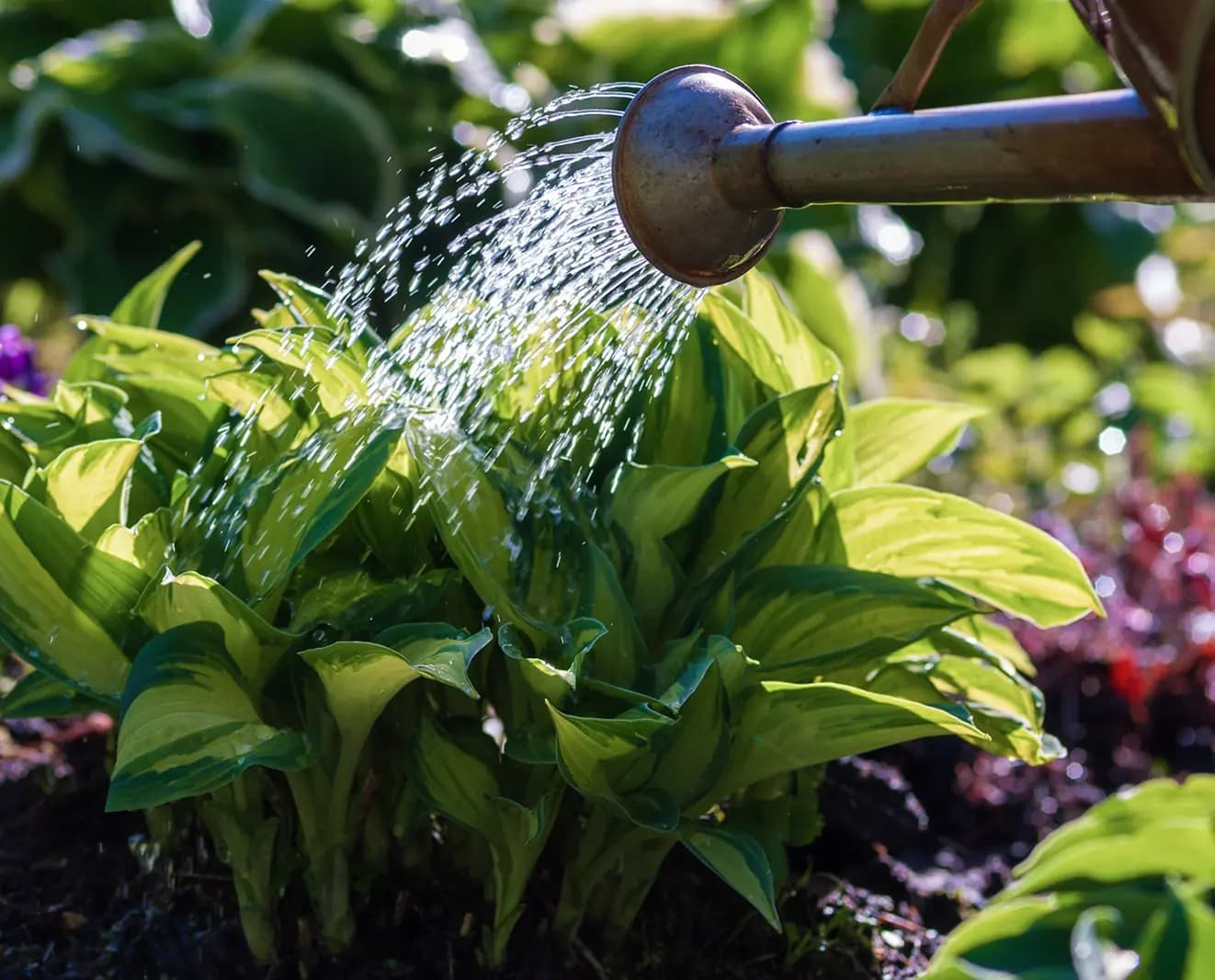
Watering a plant with a copper watering can
Best Time to Water Grass in Summer – Lawn Watering Tips

5 min read · 21 Jul 2026

Best Time to Water Grass in Summer – Lawn Watering Tips

Summer watering is easy to get wrong. This guide explains when to turn on your sprinkler, how much liquid your grass needs each week, and how to tell if you're overwatering or underwatering.

Plant Care
Best Time to Water Grass in Summer – Lawn Watering Tips
Can Plants Grow With Artificial Light?

6 min read · 15 Sept 2026

Can Plants Grow With Artificial Light?

Plants can grow under artificial light when the setup provides a suitable spectrum, enough intensity, and sufficient daily exposure. This guide explains how artificial lighting compares with sunlight, which options work indoors, and how to match a setup to houseplants.

Plant Care
Can Plants Grow With Artificial Light?
10 Easy Garden Flowers to Grow

8 min read · 10 Sept 2026

10 Easy Garden Flowers to Grow

Discover 10 garden flowers that require minimal care. Learn which characteristics make plants easy to grow and follow tips on how to create a beautiful corner from beginner-friendly blooms on your property.

Beginner Guides
10 Easy Garden Flowers to Grow