Deep drought tolerance
Punica granatum develops a deep, wide‑spreading root system that lets established trees survive long dry periods in semi‑arid regions, as long as occasional deep soil moisture is available.

This page explains when, how often, and how much to water Punica granatum in clear, practical terms.

Water Requirements
Moderate Water
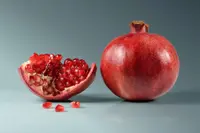
Native to seasonally dry regions, Punica granatum handles moderate drought yet benefits from steady, not excessive, moisture. Understanding watering pomegranate starts with recognizing it dislikes waterlogged conditions but tolerates brief drying at the surface.
Think of how to water pomegranate as maintaining lightly moist, never soggy soil, with short dry spells. Outdoor plants usually accept drier conditions than container-grown or indoor specimens, which depend more on consistent attention.
Let the top 1–2 inches (3–5 cm) of soil dry before watering again; this is the main guide for Punica granatum in pots. Indoors, this usually means watering about once a week in bright light, but outdoor heat or strong sun can shorten the interval, while cooler rooms extend it.
Water pomegranate when the top 1–2 inches (3–5 cm) of soil feel dry, using slow, deep watering for even moisture.
Incorrect moisture levels may disrupt Punica granatum growth, stress roots, and reduce fruiting potential.
Older foliage turns pale and drops prematurely from consistently wet soil and insufficient drainage capacity.
Margins crisp, curl inward, and bronze when soil stays dry too long between waterings.
Ripening fruit splits suddenly after heavy watering following a prolonged dry soil period.
Wilting, dull leaves and sour-smelling, blackened roots develop in chronically saturated, airless soil.
Maintain evenly moist, well-drained soil, avoiding long droughts and sudden heavy soaking after dryness.
Poor watering routines can stress Punica granatum, weakening growth and fruiting by upsetting its preference for brief drying between soakings.
Aim for deep, infrequent watering into a sharply draining mix, guided by soil dryness rather than fixed dates or habit.
Is It Time to Water?
See whether your plant is ready for watering or needs more time to dry.
Use Botan for a clear watering guide and step‑by‑step care procedures for Punica granatum, plus gentle photo-based checkups that can flag early leaf, stem, or soil concerns.
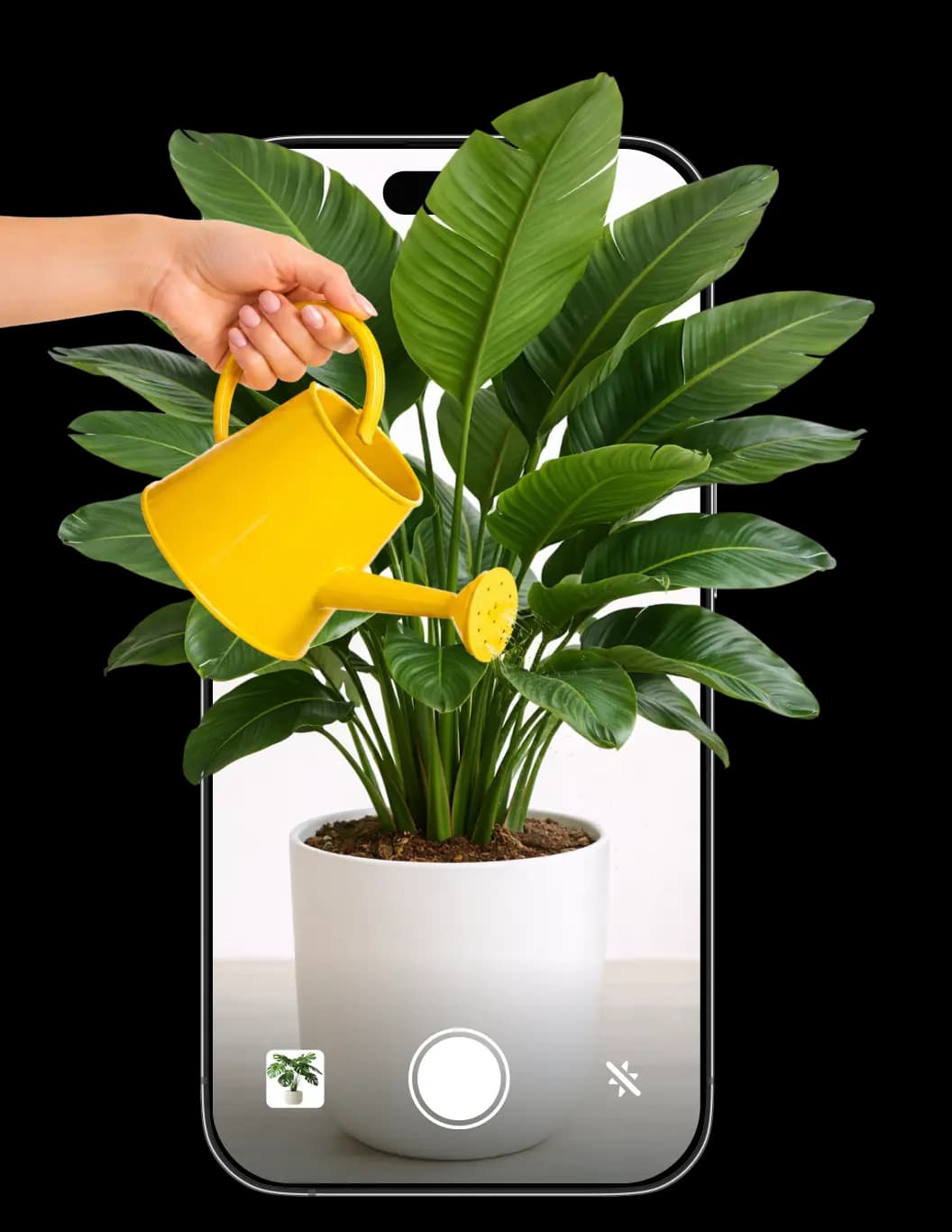
Punica granatum develops a deep, wide‑spreading root system that lets established trees survive long dry periods in semi‑arid regions, as long as occasional deep soil moisture is available.
Field studies in Mediterranean climates show that moderate water stress during fruit maturation in Punica granatum can increase sugar concentration and improve flavor, though severe or prolonged deficit reduces yield and causes fruit cracking.
Punica granatum tolerates moderately saline irrigation water better than many fruit trees and is grown in regions with brackish groundwater, although high salinity still reduces growth and fruit size over time.
Morning is usually best. Cooler temperatures and lower evaporation help the root zone absorb moisture, and foliage dries faster, lowering disease risk. In very hot climates, early evening can also work if leaves dry before night.
Botan reviews your watering pattern to suggest simple adjustments for healthier moisture levels.
7 min read · 24 Aug 2026
Learn how often to water indoor plants, key factors for proper watering, and how to adjust the care routine by plant type, season, pot size, light, and indoor conditions.
8 min read · 17 Sept 2026
Some plants thrive in dim rooms, shaded corners, and places with indirect light. In this guide, you’ll explore the top 15 species best suited to low-light conditions and how to care for them.
8 min read · 6 Jul 2026
Plants that repel mosquitoes can help mask human scent naturally and make outdoor spaces more comfortable. Explore the most effective options, their benefits and drawbacks, and choose the right plant for your space.