




7 min read · 24 Aug 2026
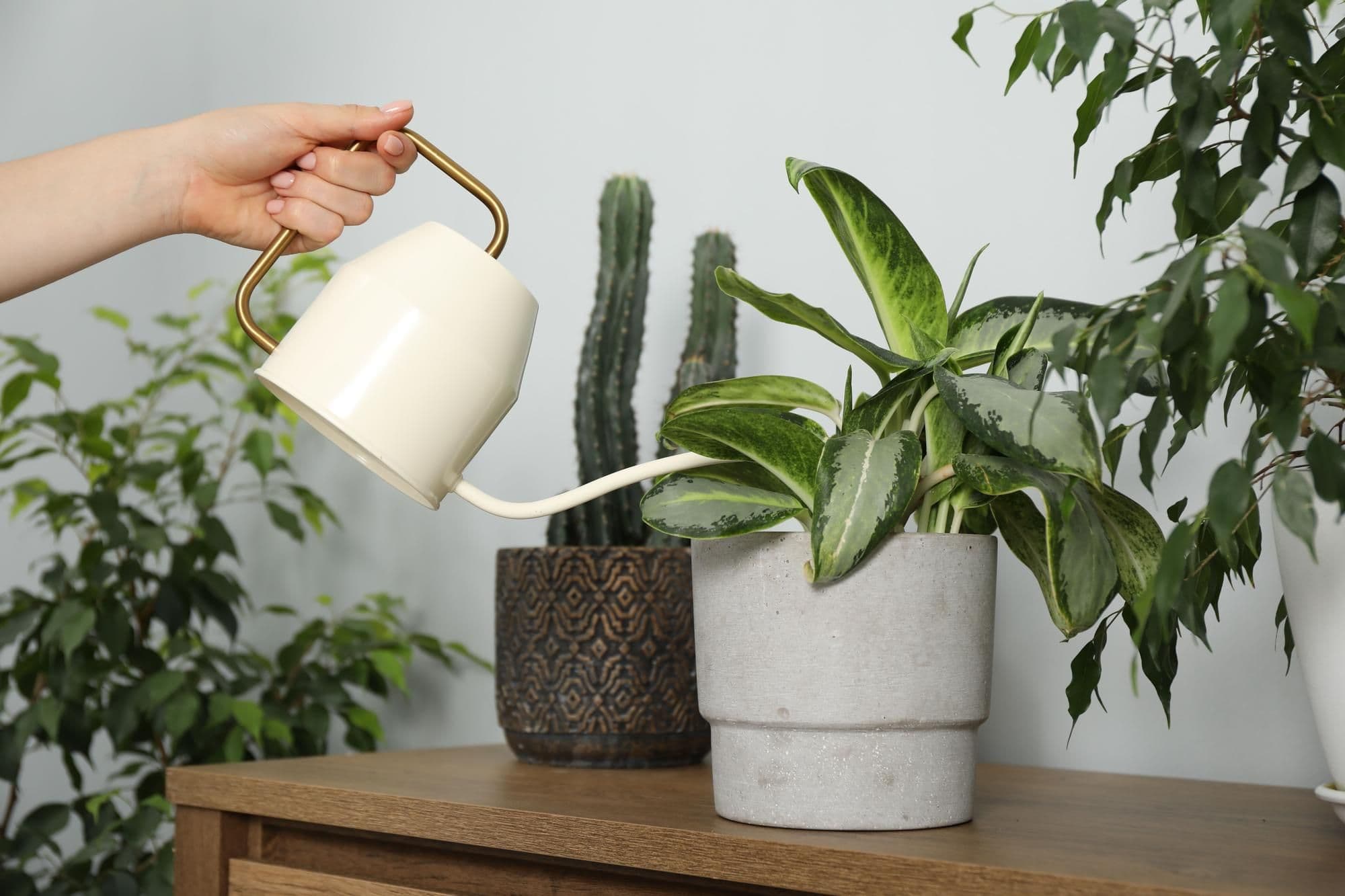
How to Water Houseplants: Watering Guide
Learn how often to water indoor plants, key factors for proper watering, and how to adjust the care routine by plant type, season, pot size, light, and indoor conditions.
Plant Care

Punica granatum grows best in loose, well-drained soil that supports healthy root growth and steady access to air and moisture.

Soil Texture
Sandy, Loamy

Soil pH
Acidic (5.5–6.5), Slightly acidic (6.5–7.0)

Soil Drainage
Well-drained

Native from Iran to northern India and long grown across the Mediterranean, Punica granatum comes from regions with dry summers and freely draining ground. In nature, it is often found in sandy or loamy soils where roots get both air and steady access to deeper moisture.
That background explains the best soil for pomegranate: loose, well-drained soil that does not stay soggy yet holds enough moisture between waterings. Its woody root system benefits from good aeration, which supports steady growth and helps the plant handle heat and periods of dryness.
A simple homemade mix can give Punica granatum the balance of airflow and moisture retention it needs in containers.
The finished blend should feel crumbly and gritty, hold together only lightly when squeezed, and let excess water pass through without staying heavy.
A slightly acidic to neutral range of about 5.5–7.0 suits pomegranate well. In that range, key nutrients stay more available to the roots, which supports steady growth and better overall vigor.
Punica granatum can tolerate some variation, but soil that drifts far outside this range may make nutrient uptake less efficient even when the soil otherwise looks suitable.
Most soil issues with this species develop gradually. Pomegranate is especially less comfortable in soil that stays compacted or soggy for long periods.
If the surface stays wet for too long and the container feels dense, loosen the mix at the top and move future plantings into a more open medium.
When water begins running off the surface or soaking in unevenly, gently break up crusted top layers and refresh part of the soil mass.
If water lingers in the pot or drains very slowly, check that drainage holes are open and remove any blockage beneath the container.
When the mix shrinks, dries unevenly, or turns dusty and hard, replace it with fresh material that rewets more evenly and supports root contact.

Plant Soil Guide
Find the right soil mix for your plant and support healthier root growth
Botan helps match this plant to a more suitable soil setup, so choosing texture and drainage feels clearer from the start.
Yes. A container with enough depth supports steadier moisture distribution and better root development, while very shallow pots can dry too fast and limit anchoring.
Soil may be one factor behind visible decline. Botan can help assess photos and point to likely care issues worth checking next.
7 min read · 24 Aug 2026
Learn how often to water indoor plants, key factors for proper watering, and how to adjust the care routine by plant type, season, pot size, light, and indoor conditions.
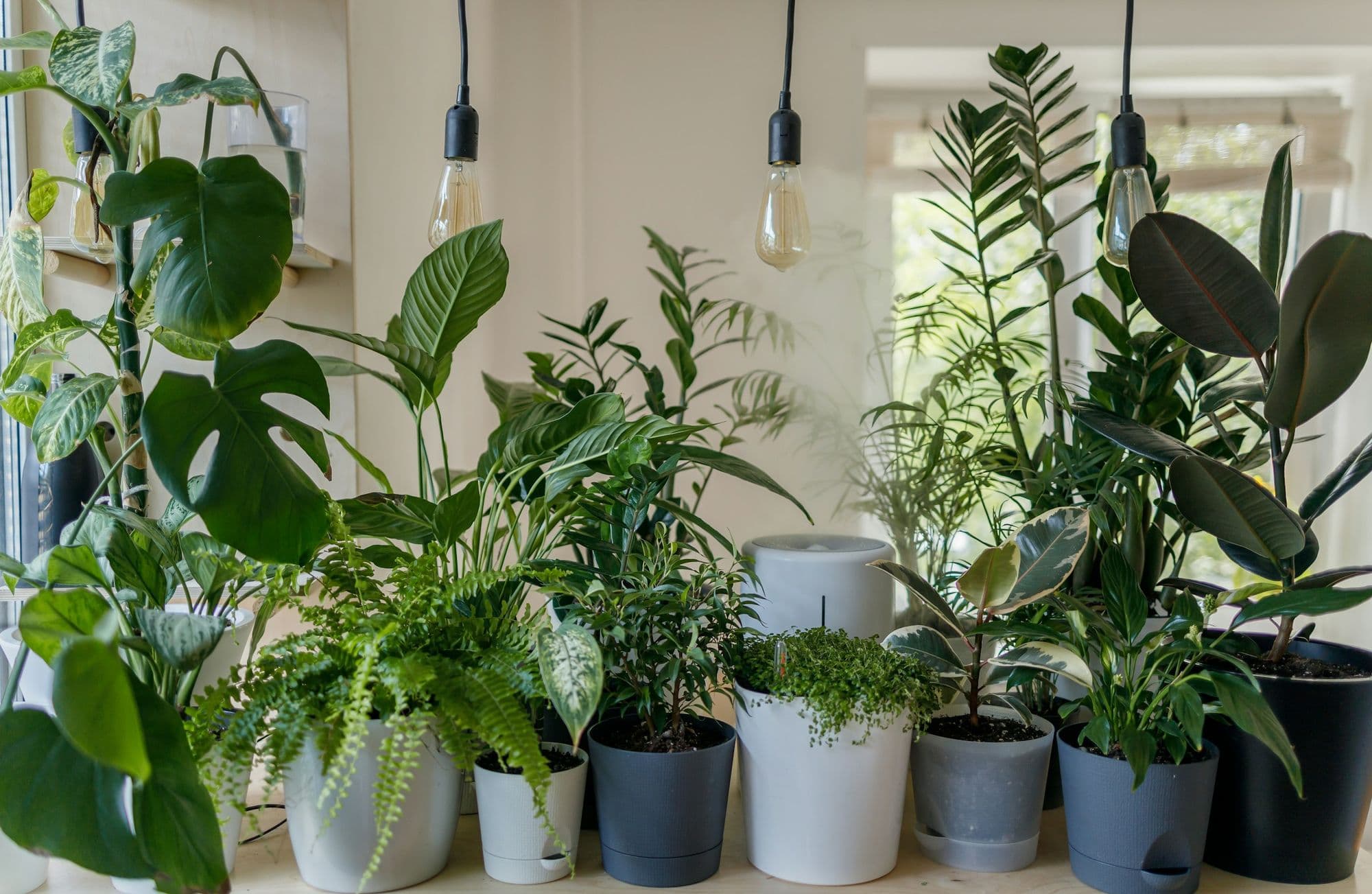
8 min read · 17 Sept 2026
Some plants thrive in dim rooms, shaded corners, and places with indirect light. In this guide, you’ll explore the top 15 species best suited to low-light conditions and how to care for them.
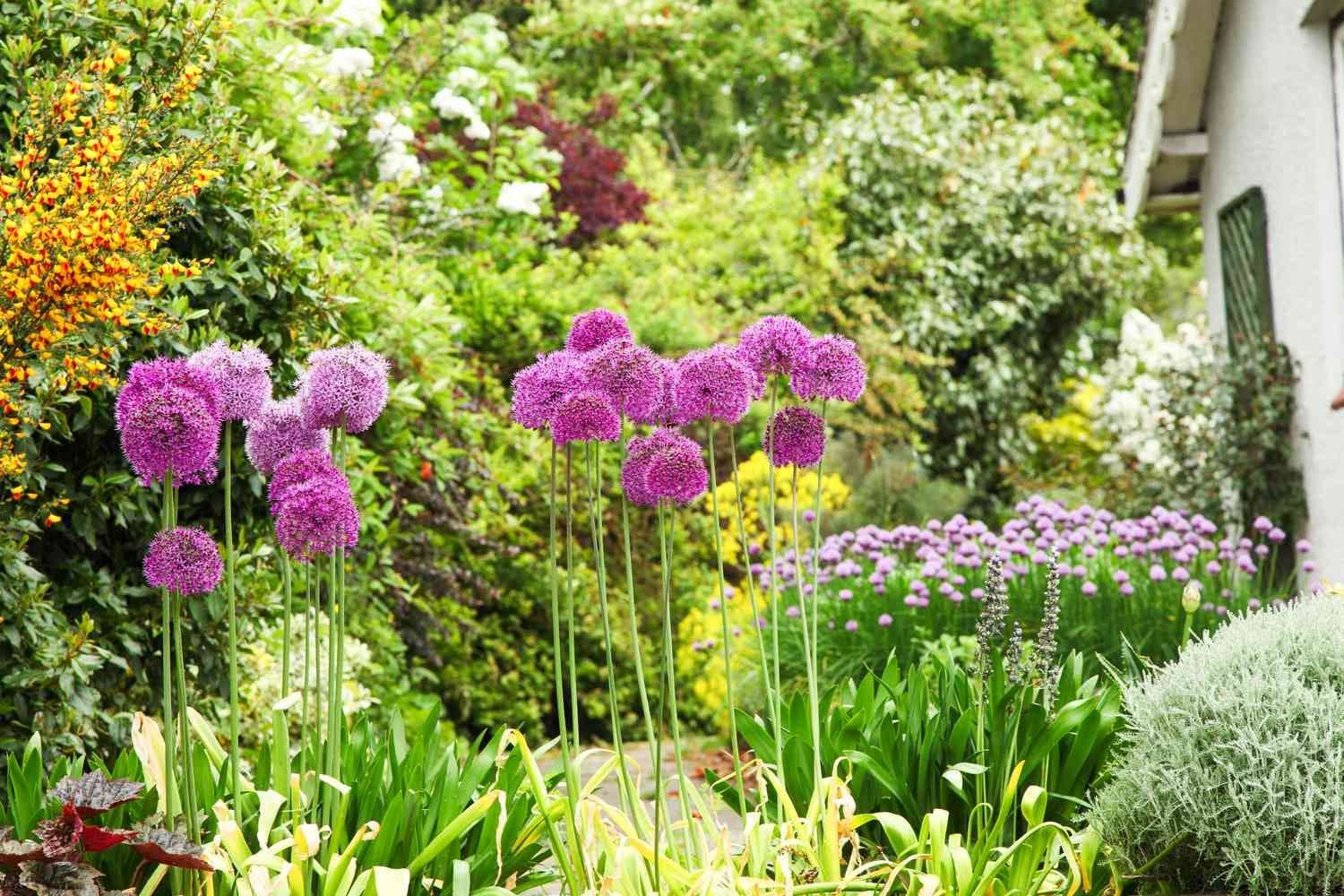
8 min read · 6 Jul 2026
Plants that repel mosquitoes can help mask human scent naturally and make outdoor spaces more comfortable. Explore the most effective options, their benefits and drawbacks, and choose the right plant for your space.