Best Soil for crown of thorns (Koeberlinia spinosa)

Koeberlinia spinosa grows best in gritty, fast-draining soil that supports healthy roots and prevents prolonged moisture around them.

Soil Texture

Sandy, Loamy, Rocky

Soil pH

Slightly alkaline (7.0–7.5), Alkaline (7.5–8.5)

Soil Drainage

Well-drained

Koeberlinia spinosa Soil Guide

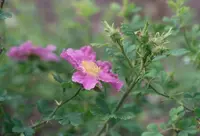
Native to the southwestern US and northern Mexico, Koeberlinia spinosa grows in dry scrub and desert-edge landscapes with sandy, loamy, or rocky ground. Those settings shed water quickly and stay open around the roots, which helps explain its strong preference for fast drainage and good air flow in the root zone.

The best soil for crown of thorns is mineral-leaning rather than rich and moisture-retentive. Its roots are adapted to brief moisture followed by drying, so a loose, gritty structure suits the plant better than dense soil that stays wet. Slightly to moderately alkaline conditions also match the soils it naturally encounters.


A simple homemade mix helps keep Koeberlinia spinosa rooted in a stable, airy medium without becoming dense over time.

100% total mix = 20 scoops
10%
small gravel or crushed granite2 scoops
20%
coarse sand4 scoops
30%
pumice or perlite6 scoops
40%
coarse potting soil8 scoops

The finished blend should feel gritty, loose, and quick to empty excess moisture while still settling neatly around the roots.

Koeberlinia spinosa prefers neutral to alkaline soil, with a practical target of about 7.0–8.0 pH. That range matches its natural tolerance and helps key nutrients remain available without pushing the root zone too acidic.

A mildly to moderately alkaline mix is usually suitable, especially when the texture stays open. If pH drifts far outside this range, some nutrients can become harder for the plant to absorb even when they are present in the soil.

Most soil-related setbacks come from how the root zone behaves over time rather than from one bad watering. Check texture, airflow, and container setup first.

Compacted mix:

Compacted mix: if the surface hardens and water stops moving through evenly, gently loosen the top layer and plan to refresh the medium with a more open structure.

Slow drainage:

Slow drainage: if the root zone stays heavy for too long, check that the container can release excess water and remove any blockage at the drainage hole.

Salt buildup:

Salt buildup: a pale crust on the surface can point to mineral accumulation, so scrape it away and replace that top layer with fresh material.

Excess organic matter:

Excess organic matter: if crown of thorns soil feels spongy or dense, shift to a grittier blend that keeps better air space around the roots.

Scan for Soil Tips

Use Botan to compare your plant’s soil setup with the conditions this species handles best and make a more informed mix choice.

FAQ

Yes. Drainage holes are important because they let excess water leave the container instead of collecting around the roots. They also make it easier to keep crown of thorns soil from staying wet too long.

More Plant Soil Guides

Scan for Soil Problems

Botan can help assess whether soil may be part of a visible issue. A photo check can help narrow down likely causes.

Botan app helping with soil and plant care
12 Most Wanted Rare Houseplants to Grow at Home

6 min read · 21 Sept 2026

12 Most Wanted Rare Houseplants to Grow at Home

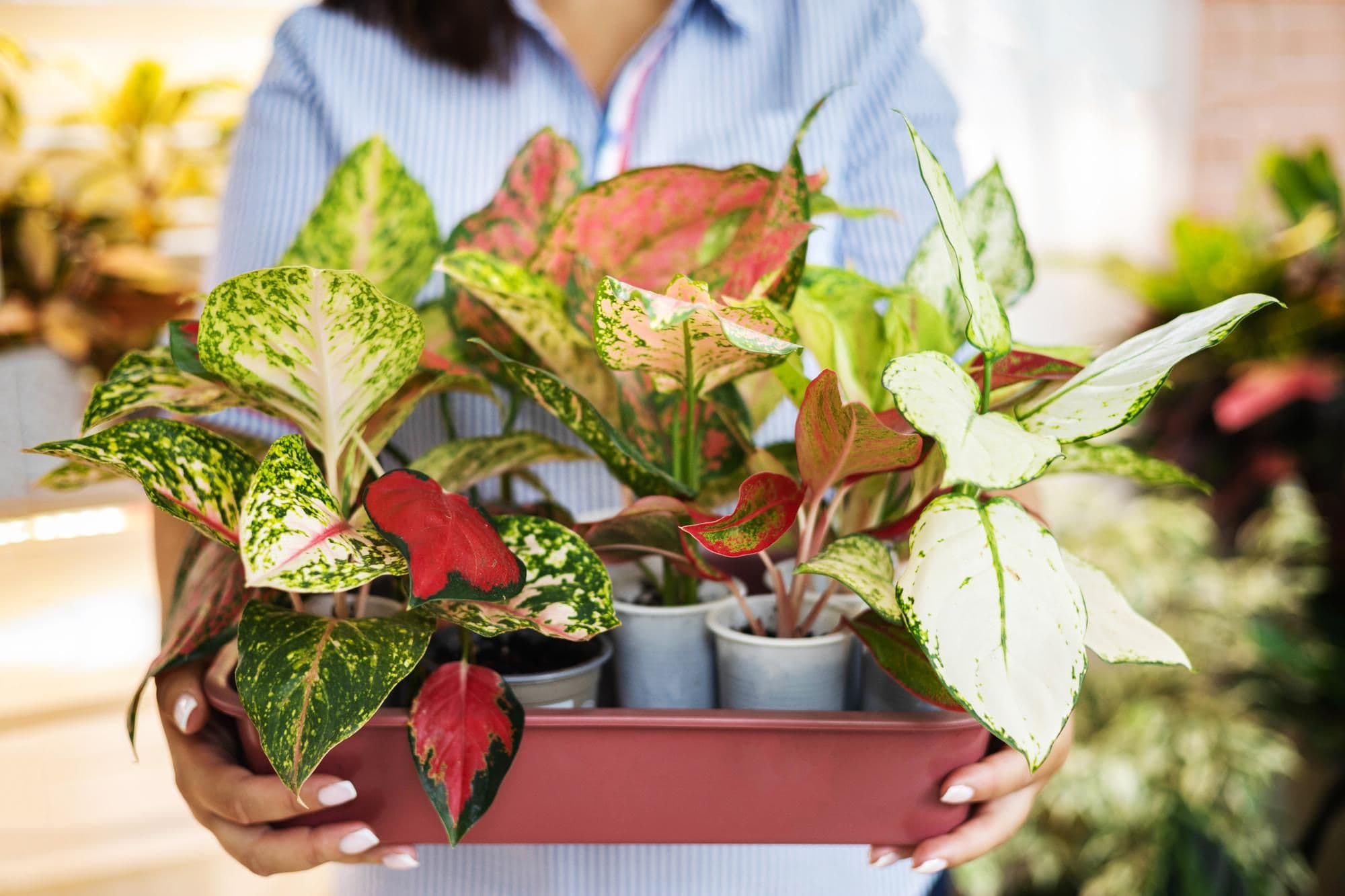
Rare houseplants can turn an ordinary corner in your apartment into a living botanical collection. This guide covers 12 most admired picks, what makes them special, and how to grow them successfully at home.

Plant Recommendations
12 Most Wanted Rare Houseplants to Grow at Home
How to Tell if a Plant Is Dead

6 min read · 19 Aug 2026

How to Tell if a Plant Is Dead

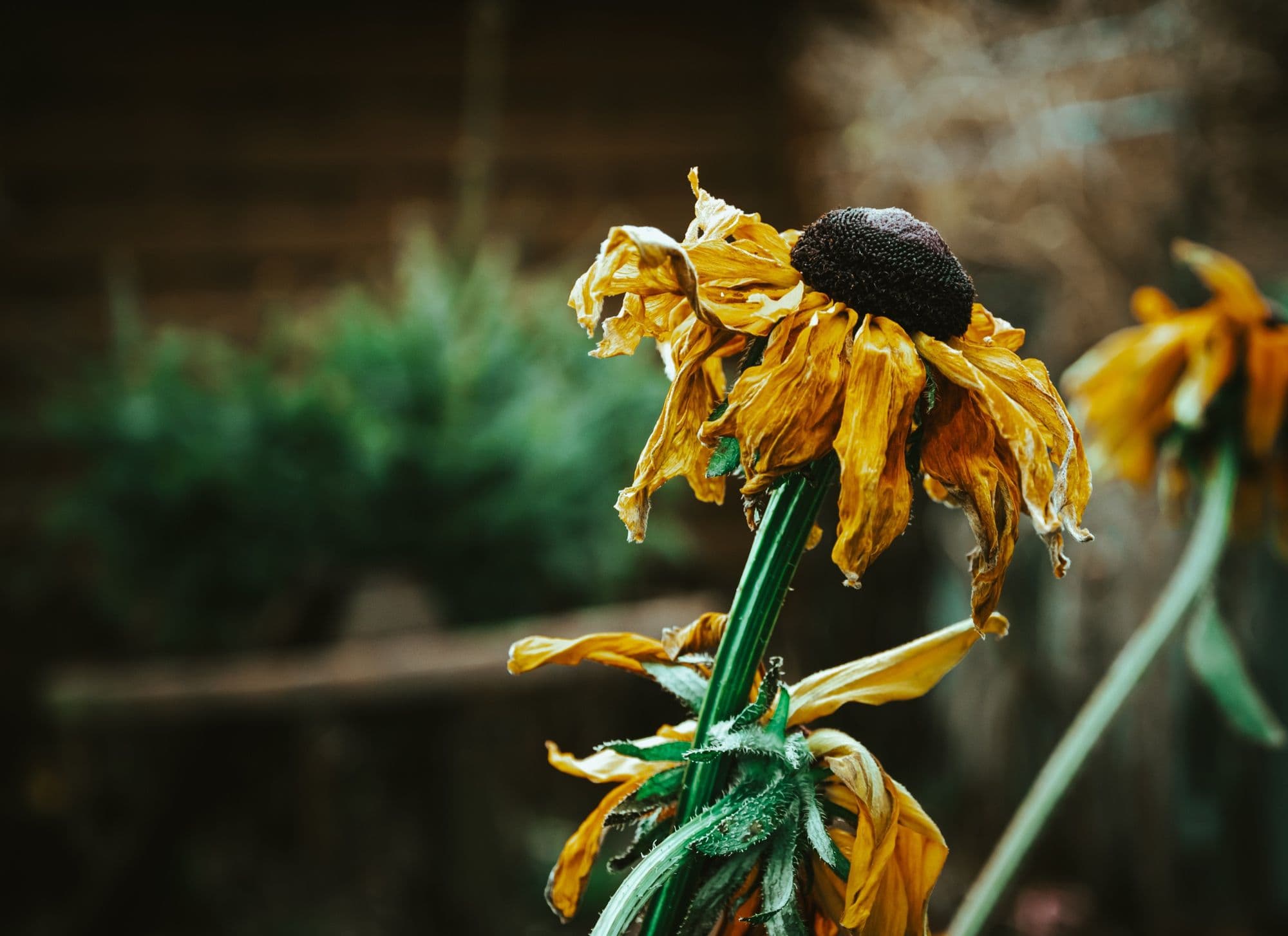
A plant can lose its leaves, stop growing, or collapse and still remain alive. A closer look at the stems, roots, bulbs, and tubers can show whether the plant still has a chance to recover.

Beginner Guides
How to Tell if a Plant Is Dead
What Plants Don't Like Epsom Salt?

11 min read · 29 Jul 2026

What Plants Don't Like Epsom Salt?

Learn which plants can be seriously damaged by Epsom salt and which will thrive on it. We’ll explain when and how to use it properly, provide tips for indoor & outdoor plants — read on and enjoy a healthy garden.

Plant Care
What Plants Don't Like Epsom Salt?