
crown of thorns (Koeberlinia spinosa) Watering Guide

This page explains when, how often, and how much to water Koeberlinia spinosa in straightforward terms.

Water Requirements

Low Water

Koeberlinia spinosa Watering

This desert shrub grows in dry, rocky habitats, so it relies on infrequent, deep moisture rather than constant dampness. Koeberlinia spinosa prefers soil that dries between waterings, similar to guidance for watering crown of thorns in arid climates.

Outdoor plants usually handle natural rainfall, with only supplemental water during extended drought. Container-grown plants dry faster and need closer monitoring, but the goal remains brief moisture followed by a dry period.

Let the soil for Koeberlinia spinosa dry out almost completely between waterings. Check that the top 1–2 inches (3–5 cm) feel dry before watering again. In strong sun or outdoor summer heat it may dry faster, while cooler indoor conditions usually extend the interval.

Water when the top 1-2 inches (3-5 cm) of soil feel completely dry; crown of thorns prefers deep, infrequent soakings.

  • Pour room-temperature water slowly over the soil surface, aiming around the base and avoiding splashing stems or spines.
  • Continue watering until moisture reaches the entire root zone and a small amount drains from the pot’s bottom holes.
  • Let the pot drain freely for several minutes, then discard any water collected in the saucer or decorative cachepot.
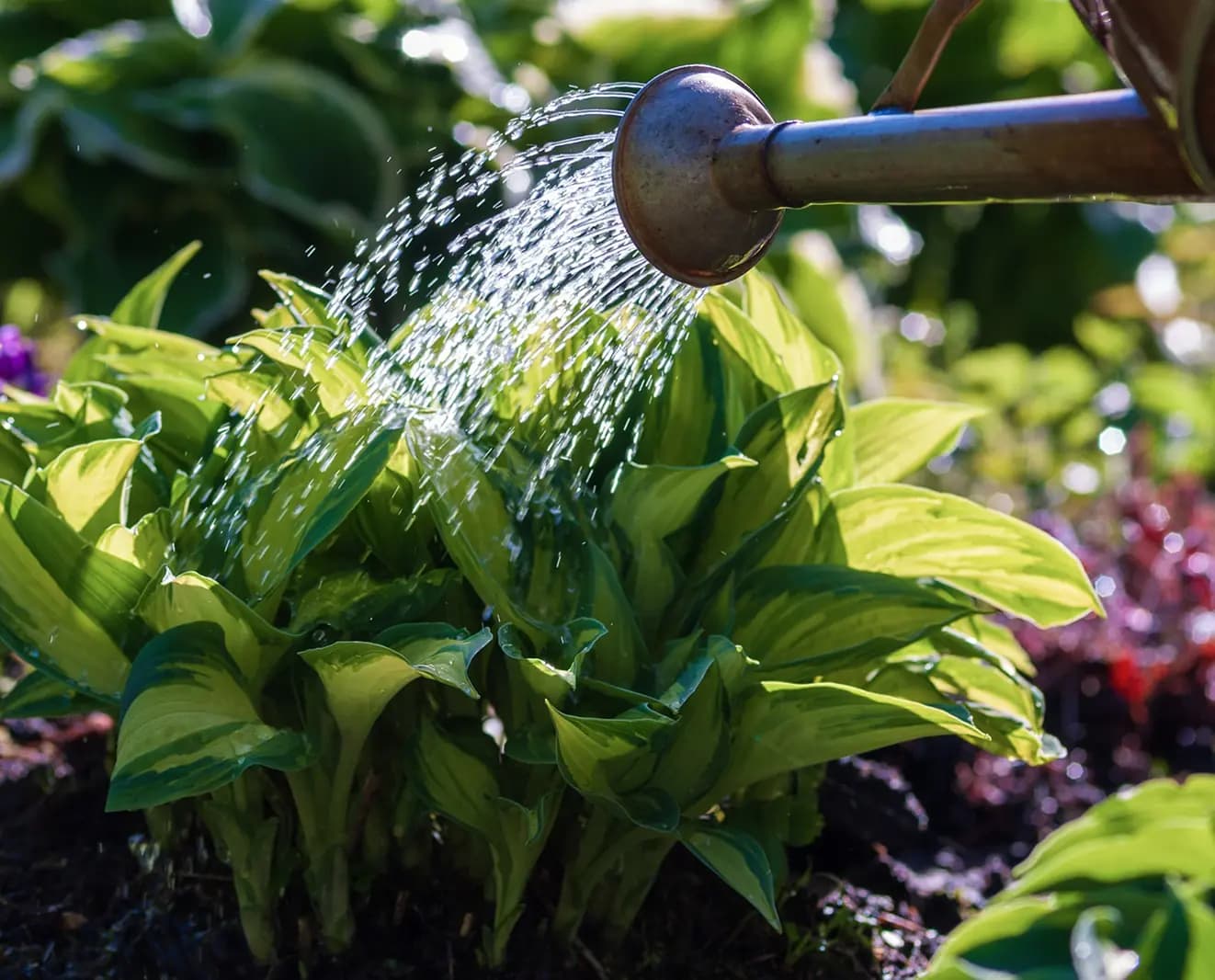
  • Use a narrow-spout watering can to direct flow, keeping the soil evenly moistened without creating standing puddles on the surface.

Improper moisture balance can trigger stress and decline in Koeberlinia spinosa over time.

Shriveled Stems:

Thin, wrinkled green segments suggest prolonged dryness and need for slightly deeper, occasional soakings.

Yellowing Lower Segments:

Pale, soft basal growth often indicates consistently wet soil and emerging root suffocation risks.

Blackened Stem Bases:

Dark, mushy joints near the soil line point to rot from poor drainage and overwatering.

Sudden Segment Drop:

Rapid loss of entire stem sections commonly follows heavy watering after an extended dry period.

Let soil dry thoroughly between waterings, then water sparingly into fast-draining, gritty substrate.

Poor watering habits can weaken Koeberlinia spinosa, often called crown of thorns, making it less resilient and more prone to stress.

  • Following fixed schedules: Watering on a calendar instead of checking soil dryness keeps roots wet too long; wait until the mix is fully dry first.
  • Using dense, soggy soil: Planting in heavy potting soil holds excess moisture; switch to a gritty cactus mix that drains fast and dries evenly.
  • Letting water sit in saucers: Leaving runoff in trays keeps the root zone saturated; empty saucers a few minutes after watering so roots can breathe.

Aim for deep but infrequent watering in a very fast-draining mix, guided by soil dryness rather than the calendar.

  • Spring: Increase watering slightly as new shoots appear, letting the mix dry fully between deep soakings to prevent root stress.
  • Summer: In peak desert heat, water a bit more often after complete drying, especially in containers that heat and dry rapidly.
  • Fall: Gradually extend drying time between waterings as growth slows, mimicking drier seasonal conditions in its native range.
  • Winter: Provide very sparse water, just enough to prevent shriveling, especially if kept cool and in bright, dry air.

Your crown of thorns Care Companion

Use Botan for a clear watering guide and simple care steps for Koeberlinia spinosa, plus gentle photo-based checkups that help flag issues before they become serious problems.

Botan plant care app — identify plants on mobile

Interesting Watering Facts

Extremely drought-adapted shrub

Koeberlinia spinosa is native to arid regions of the Chihuahuan Desert and southwestern US, where it survives on very low, irregular rainfall and intense heat, showing a strong adaptation to long dry periods with minimal supplemental water.


Photosynthetic green stems

The small leaves are often short-lived, while the green, spine-covered stems take over most photosynthesis, helping reduce water loss through leaves and supporting survival in chronically dry habitats.

Shallow, wide root system

Field observations note a fibrous, spreading root system that allows rapid uptake of brief desert rains near the soil surface rather than reliance on deep, constant moisture.

FAQ

Drooping right after watering usually means roots are stressed from excess moisture or poor drainage. Let the top 2–3 inches of soil dry more between waterings and ensure the pot drains freely without standing water.

Everything About crown of thorns

More Plant Watering Guides

Is Your Watering Routine Hurting Your crown of thorns?

Botan reviews your watering pattern so adjustments are easier to understand and apply.

Watering a plant with a copper watering can
Best Time to Mow Lawn – A Complete Guide

5 min read · 10 Aug 2026

Best Time to Mow Lawn – A Complete Guide

Explore when to mow your lawn for its health and a pleasant green color. Find out the best time for this task during the summer heat, and follow practical tips for correctly cutting the grass, and learn common mistakes to avoid.

Plant Care
Best Time to Mow Lawn – A Complete Guide
Best Fertilizer for Grass in Summer: How to Choose the Right One

6 min read · 18 Aug 2026

Best Fertilizer for Grass in Summer: How to Choose the Right One

The right fertilizer in summer can make a lawn thrive. The wrong one can damage it. Here, you’ll learn the best NPK ratios by grass type, when and how to apply your formula, and how to recognize the signs of over- or under-fertilizing.

Plant Care
Best Fertilizer for Grass in Summer: How to Choose the Right One
Banana Peel Water for Plants: 5 Things to Know Before Trying It

5 min read · 9 Jul 2026

Banana Peel Water for Plants: 5 Things to Know Before Trying It

Banana water can provide potassium and some nutrients that may support plant growth, but it is not a universal fix. Use it carefully and only when the plant actually shows signs of nutrient deficiency rather than as a routine treatment.

Plant Care
Banana Peel Water for Plants: 5 Things to Know Before Trying It