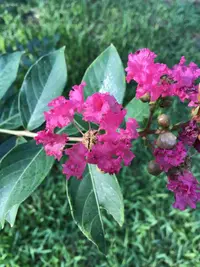
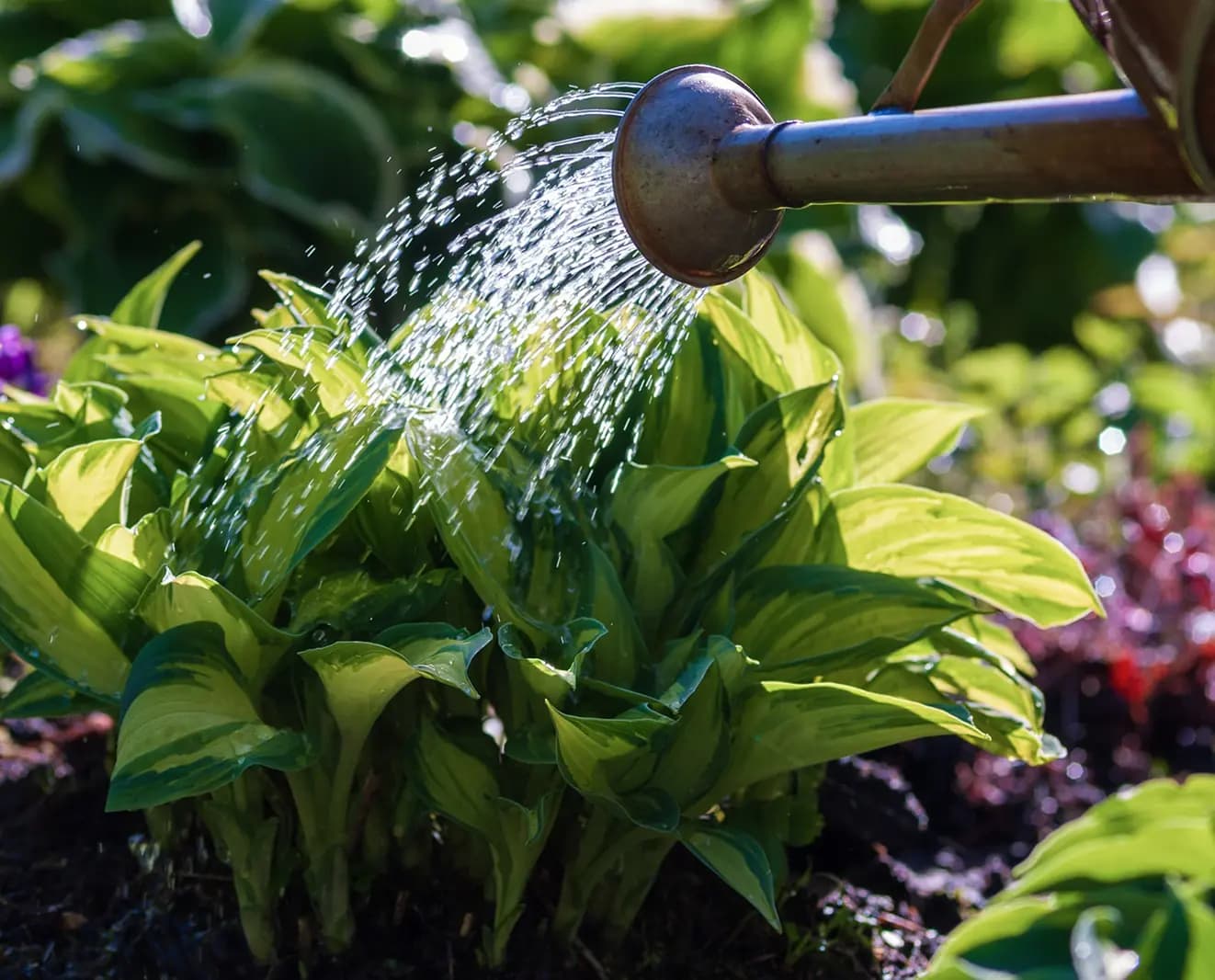

Crape Myrtle (Lagerstroemia indica 'Tuscarora') Watering Guide

This guide explains when, how often, and how much to water Lagerstroemia indica 'Tuscarora' for steady growth.

Water Requirements

Moderate Water

Lagerstroemia indica 'Tuscarora' Watering

This guide introduces watering Crape Myrtle in a simple, practical way before moving into specific recommendations. Lagerstroemia indica 'Tuscarora' evolved in regions with warm summers and pronounced seasonal rainfall, shaping its moisture needs.

Outdoors, it prefers soil that dries slightly between waterings rather than staying constantly wet. Container plants dry faster than in-ground shrubs, so they generally need closer monitoring for consistent, moderate moisture.

Water Lagerstroemia indica ‘Tuscarora’ when the top 1–2 inches (3–5 cm) of soil feel dry, using this dryness as the main signal rather than the calendar. Newly planted or potted shrubs in hot, full sun usually need more frequent watering, while established landscape plants in cooler seasons need it less often.

Water when the top 2-3 inches of soil feel dry, using slow, deep watering to support Crape Myrtle root development.

  • Place a hose or watering can at the base, directing water to the soil rather than wetting foliage or stems.
  • Apply water slowly so it sinks 6-8 inches into the root zone, avoiding fast runoff across the soil surface.
  • Let excess water drain freely from the planting area, ensuring the shrub does not sit in standing puddles.
  • After watering, gently break any surface crust so future water penetrates evenly instead of running off the top.

Incorrect moisture levels may stress Lagerstroemia indica 'Tuscarora' and reduce growth or flowering performance.

Wilting Foliage:

Leaves droop and feel soft during heat due to insufficient deep watering or very dry soil.

Yellowing Lower Leaves:

Older leaves turn yellow and shed early when soil stays slightly dry for extended periods.

Root Rot:

Roots darken and decline in persistently waterlogged soil, leading to stunted shoots and branch dieback.

Cracked or Curling Bark:

Young stems and trunk bark crack or curl when repeated drought cycles follow shallow, infrequent watering.

Poor Bloom Set:

Flower clusters form sparsely when plants experience prolonged drought stress during spring and early summer.

Maintain deep, infrequent watering in well-drained soil to balance drought tolerance with steady seasonal growth.

Unsuitable watering habits weaken Lagerstroemia indica 'Tuscarora', limiting flowers and new growth and making crape myrtle more vulnerable to stress.

  • Rigid calendar watering: Following a fixed schedule instead of checking soil moisture keeps roots wet for too long; water only when the top soil dries slightly.
  • Poorly draining soil: Using heavy, compacted soil traps water around the roots; choose a loose, gritty mix that drains fast yet holds slight moisture.
  • Wrong container choice: Planting in oversized or non-draining containers leaves the root zone saturated; use a pot with drainage holes and only slightly larger.

Safer watering relies on fast-draining conditions, measured soil checks, and containers that let excess moisture escape instead of linger.

  • Spring: As new shoots and flower buds develop, keep soil evenly moist, watering when the top 1–2 inches dry more quickly in warming weather.
  • Summer: During hot, dry spells, increase deep watering frequency, especially for young trees, but allow the upper soil to partly dry between soakings.
  • Fall: As growth slows after flowering, gradually extend intervals between waterings, focusing on occasional deep soakings during prolonged dry periods.
  • Winter: Once leafless and dormant, irrigate sparingly, watering only during extended droughts when soil stays dry well below the surface.

Get Your Crape Myrtle Watering Schedule

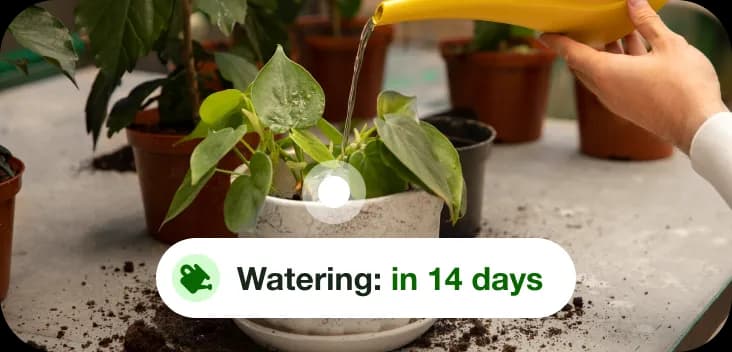
Use Botan for a tailored watering guide and simple care steps for Lagerstroemia indica ‘Tuscarora’. The app can also review plant photos to help spot potential issues early.

Botan plant care app — identify plants on mobile

FAQ

Yellowing right after watering usually points to chronically soggy soil and low oxygen at the roots. Check drainage holes, reduce frequency, and water deeply only when the top 2–3 inches of soil feel dry.

More Plant Watering Guides

Is Your Watering Routine Hurting Your Crape Myrtle?

Use Botan to review watering patterns and adjust moisture levels with more confidence.

Watering a plant with a copper watering can
Best Bedroom Plants – Top 10 to Grow in Your Space

8 min read · 8 Jul 2026

Best Bedroom Plants – Top 10 to Grow in Your Space

Discover the top 10 houseplants that are suitable for growing in your bedroom. Compare their light and water needs, pet safety, and benefits. Find out where best to place greenery in your relaxation space and what species to avoid.

Plant Recommendations
Best Bedroom Plants – Top 10 to Grow in Your Space
How Long Can Flowers Go Without Water? Everything You Need to Know

6 min read · 10 Jul 2026

How Long Can Flowers Go Without Water? Everything You Need to Know

Flowers can survive without water anywhere from 1-2 hours to several months, depending on the plant type, species, and growing conditions. Some strong-looking flowers are drought-sensitive, while delicate-looking plants may tolerate long dry periods surprisingly well.

Plant Care
How Long Can Flowers Go Without Water? Everything You Need to Know
How to Winterize Your Garden in 6 Steps

5 min read · 28 Sept 2026

How to Winterize Your Garden in 6 Steps

Learn how to prepare your garden for winter with a practical six-step checklist covering cleanup, tender plant care, watering, mulching, winter protection, and winterizing equipment and containers.

Plant Care
How to Winterize Your Garden in 6 Steps