


Lilac Identification (Syringa vulgaris)

Recognize Lilac by its opposite, simple leaves, usually heart-shaped with a pointed tip, and its upright, multi-stem shrub form, often 8 to 15 feet tall (2.4 to 4.6 m).

It is also identified by dense terminal clusters of four-lobed tubular flowers held at the ends of branches.

Syringa vulgaris Identification

Check Your Plant with Botan

Check your plant ID by uploading a clear photo to Botan.

Clear images work best. Avoid photos taken too close or too far away

Check the shrub’s leaf shape, branching, and flower clusters at a glance.

  • Usually a multi-stemmed shrub or small tree, often 8-15 feet (2.4-4.6 m) tall, with upright branching.
  • Leaves are opposite, simple, and broadly heart-shaped to oval, typically 2-5 inches (5-13 cm) long, with smooth edges.
  • Flower buds and blooms are carried in dense, cone-shaped clusters at branch tips.
  • Each flower is small and tubular with four spreading lobes, giving clusters a fine, packed look.

Opposite leaves plus terminal flower panicles are the fastest visible clues.

Syringa vulgaris shows distinct visual changes from early shrub growth to flowering and fruiting.

  • Young plant: Young plants are upright and narrow, often with few stems from the base and widely spaced opposite leaves on green to gray-brown shoots.
  • Mature plant: Mature plants form a broad, multi-stemmed shrub or small tree, commonly 8-15 feet (2.4-4.6 m) tall, with denser branching and thicker gray bark.
  • Flowering stage: Flowering branches carry large terminal clusters of many tubular, four-lobed flowers, making the shrub look top-heavy compared with the same plant unflowering.
  • Fruiting stage: After flowering, the showy clusters are replaced by upright, dry brown capsules, shifting the branch tips from soft floral masses to sparse, rigid structures.

Lilac has many named cultivars with clear flower-color and flower-form differences.

  • Syringa vulgaris 'Andenken an Ludwig Späth': Flowers are deep wine-purple to reddish purple, darker than the typical lilac-purple form.
  • Syringa vulgaris 'Madame Lemoine': Panicles carry fully double, pure white flowers, unlike the usual single lavender flowers.
  • Syringa vulgaris 'Charles Joly': Blooms are double and rich magenta to purplish red, giving a denser flower look than single forms.
  • Syringa vulgaris 'Primrose': Flower buds open pale creamy yellow, a rare color in common lilac and lighter than white forms.

In spring, Syringa vulgaris leafs out with opposite, heart-shaped leaves, then shows dense clusters of fragrant flowers in mid to late spring, often before the shrub is fully hidden by foliage. By late fall, leaves drop and the plant stands bare through winter. At that point, its dense upright branching and paired buds along gray-brown stems become easier to see.

A few shrubs are regularly mistaken for lilac at a glance.

Japanese tree lilac(Syringa reticulata)

Often confused when in flower because both have pale, fragrant clusters. This one becomes a small tree, often 20 to 30 feet (6 to 9 m), not a many-stemmed shrub, and its flower panicles are creamy white rather than lavender, pink, or purple.

Chinese lilac(Syringa × chinensis)

Easy to mix up because it has similar heart-shaped leaves and branched flower clusters. It usually has a more arching habit, and its panicles are looser and narrower than those of Syringa vulgaris.

Syringa vulgaris is native to the Balkan Peninsula in southeastern Europe, especially parts of Albania, Bulgaria, Greece, Romania, and the former Yugoslav region. In the wild it occurs on rocky hillsides, scrub, and open woodland margins, often on limestone. This helps with identification because truly wild plants are tied to that Balkan landscape; elsewhere, lilacs in similar settings are usually escaped from cultivation rather than part of the native flora.

Check Your Plant ID

Use Botan to identify or confirm a plant from a photo, which helps avoid mix-ups before spending time or money on the wrong one.

FAQ

The best single clue is the opposite, simple leaves paired on the twig, usually heart-shaped with smooth edges, plus upright clusters of very fragrant, four-lobed tubular flowers in spring. This combination supports Lilac identification.

More Plant Identification Guides

Identify Your Plant with Botan

Upload a photo to identify it, then get plant details, care information, and common problems for that species.

Botan app identifying a plant from a photo
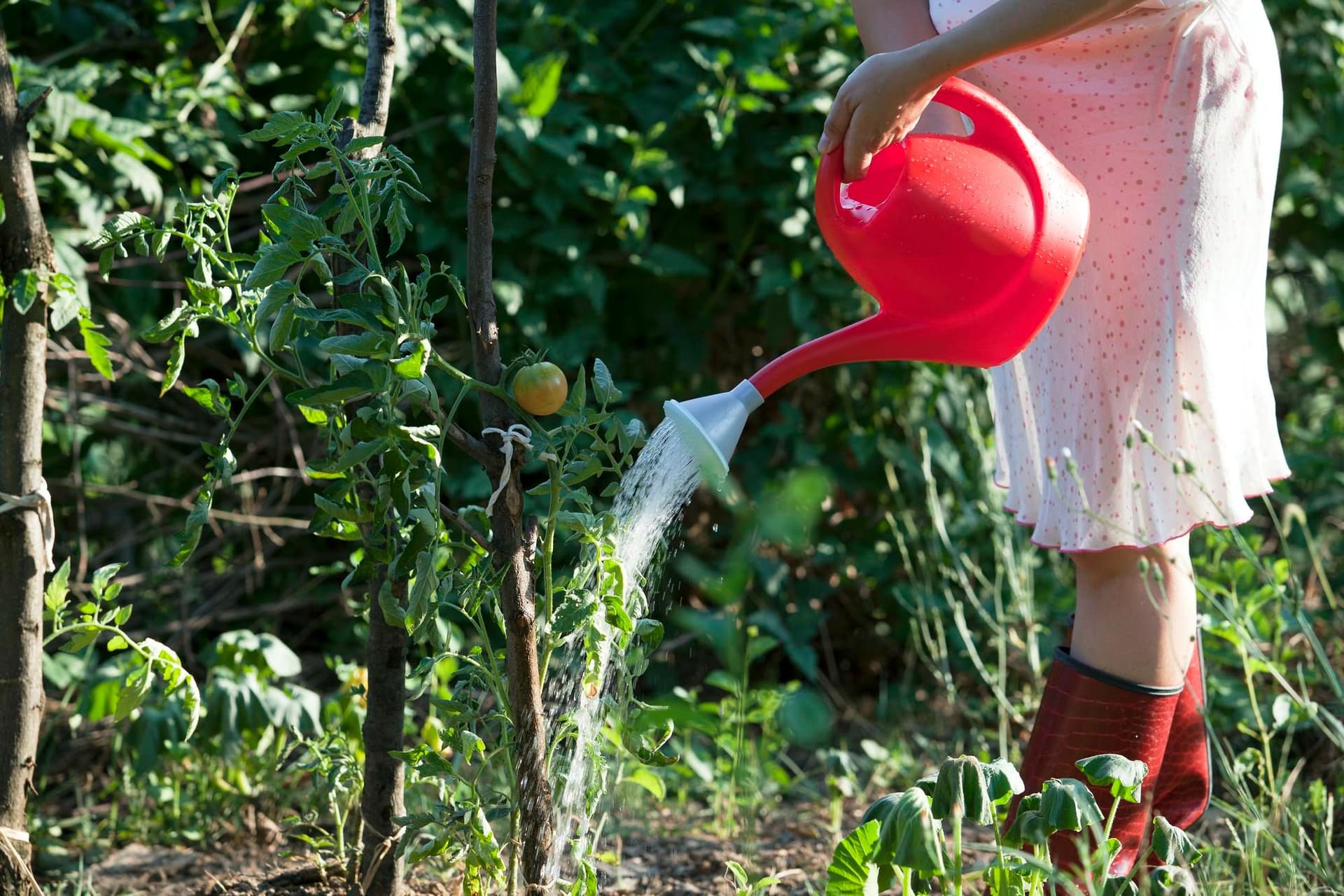
How Often to Water Fruit Trees

7 min read · 11 Aug 2026

How Often to Water Fruit Trees

Irrigation needs change as roots establish and weather shifts. This guide gives practical starting intervals, explains how soil and tree type change them, and shows how to recognize both excess moisture and drought stress.

Plant Care
How Often to Water Fruit Trees
How to Increase Humidity for Plants – 8 Simple Ways That Work

8 min read · 14 Aug 2026

How to Increase Humidity for Plants – 8 Simple Ways That Work

Dry indoor air stresses a lot of houseplants. You usually notice it first in the browning leaf tips. This guide describes 8 simple ways to raise the moisture around your plants, from humidifiers to pebble trays.

Plant Care
How to Increase Humidity for Plants – 8 Simple Ways That Work
How Long Can Flowers Go Without Water? Everything You Need to Know

6 min read · 10 Jul 2026

How Long Can Flowers Go Without Water? Everything You Need to Know

Flowers can survive without water anywhere from 1-2 hours to several months, depending on the plant type, species, and growing conditions. Some strong-looking flowers are drought-sensitive, while delicate-looking plants may tolerate long dry periods surprisingly well.

Plant Care
How Long Can Flowers Go Without Water? Everything You Need to Know