


7 min read · 24 Aug 2026
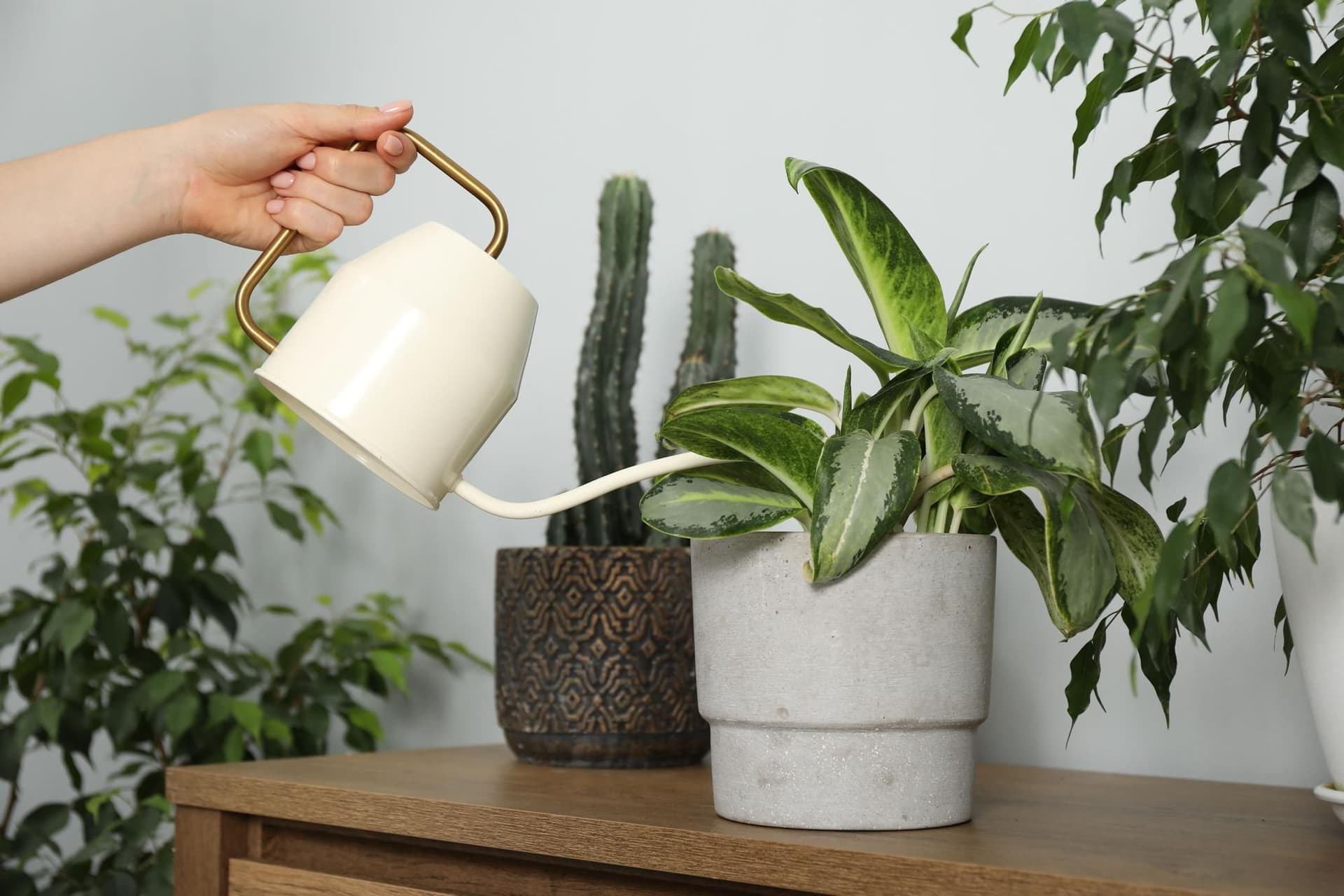
How to Water Houseplants: Watering Guide
Learn how often to water indoor plants, key factors for proper watering, and how to adjust the care routine by plant type, season, pot size, light, and indoor conditions.
Plant Care


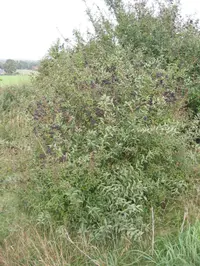
Recognize common privet by its opposite, narrow oval leaves, usually 1 to 2.5 inches (2.5 to 6 cm) long, on many upright, branching stems that form a dense shrub or hedge.
It also shows small white, four-lobed flowers packed into cone-shaped terminal clusters at the ends of shoots.
Check your plant ID by uploading a clear photo to Botan.
Clear images work best. Avoid photos taken too close or too far away
Check the shrub’s leaf arrangement, flower clusters, and berries first.
Use several of these traits together for a more confident visual ID.
Ligustrum vulgare shows clear visual changes from early shoots to flowering and fruiting shrubs.
Several named forms of common privet are distinct enough to recognize by foliage color or plant habit.
In late spring to early summer, Ligustrum vulgare shows dense clusters of small white flowers at stem tips, making shrubs easy to spot. By fall, those flowers give way to small black berries. In colder areas, many leaves drop, exposing a dense network of gray twigs through winter.
A few shrubs are regularly mistaken for common privet.
Chinese privet(Ligustrum sinense)
Often confused because both have small opposite leaves and dense hedging growth. Chinese privet usually has smaller leaves, often 1 to 2 inches (2.5 to 5 cm), and young twigs are softly hairy; Ligustrum vulgare typically has smooth twigs.
California privet(Ligustrum ovalifolium)
Both are privets with opposite oval leaves and white flower clusters. California privet usually has broader, thicker, glossier leaves, often 2 to 3 inches (5 to 8 cm) long, while Ligustrum vulgare tends to have narrower leaves and a less heavy texture.
Ligustrum vulgare is native to much of Europe, northwest Africa, and western Asia. In its natural range it is most often found in hedgerows, scrub, woodland edges, clearings, and chalk or limestone slopes. That setting can help with identification because this species often appears as a shrub of open, disturbed, or edge habitats rather than deep forest or wet ground. Finding a privet in dry calcareous countryside is a useful clue.

Quick Plant ID Check
Not sure what plant you have? Take a photo and identify it in the app
Use Botan to identify or confirm it from a photo, which helps avoid mix-ups with similar plants.
The quickest clue is the combination of opposite, simple leaves and dense clusters of small white flowers, followed by black berries. For common privet identification, check for an upright, much-branched shrub with smooth twigs.
Upload a photo to identify it, then get species-specific care information, plant details, and common problems.

7 min read · 24 Aug 2026
Learn how often to water indoor plants, key factors for proper watering, and how to adjust the care routine by plant type, season, pot size, light, and indoor conditions.
7 min read · 13 Aug 2026
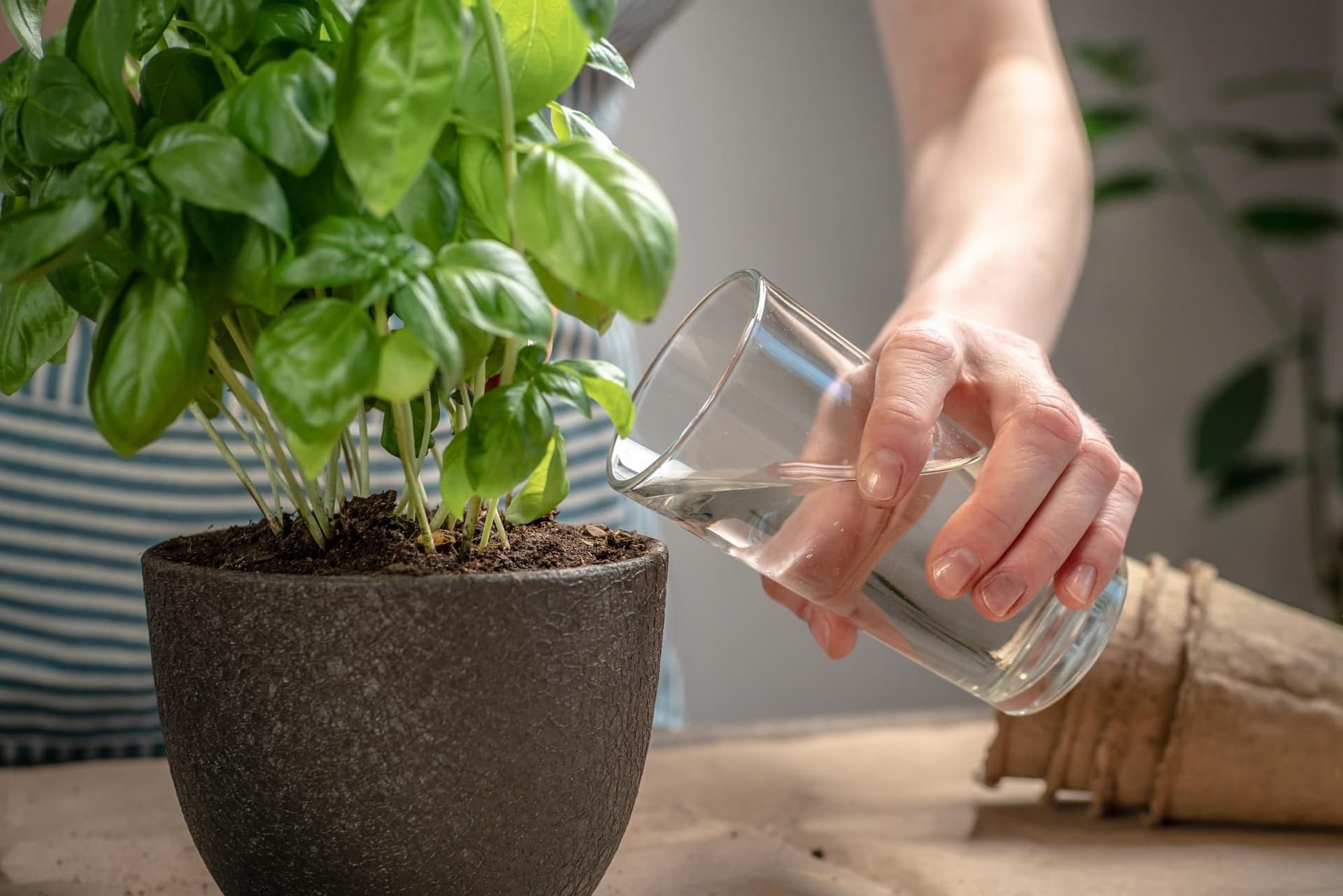
Rainwater, filtered, distilled, and tap water affect plants differently. Learn which types support healthy growth and which cause slow damage. Match each to your plants and discover how to easily improve tap water quality.
6 min read · 18 Aug 2026
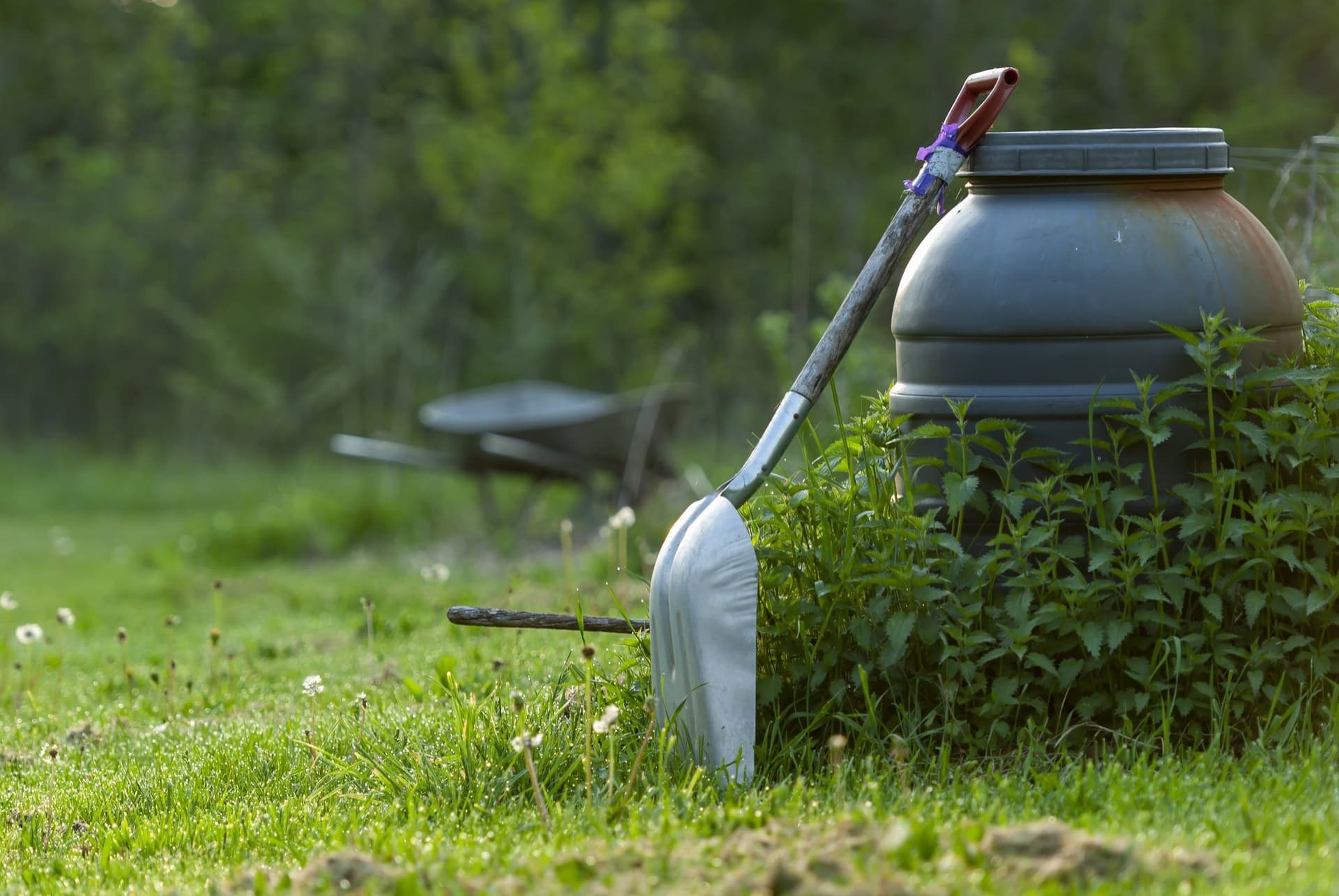
The right fertilizer in summer can make a lawn thrive. The wrong one can damage it. Here, you’ll learn the best NPK ratios by grass type, when and how to apply your formula, and how to recognize the signs of over- or under-fertilizing.