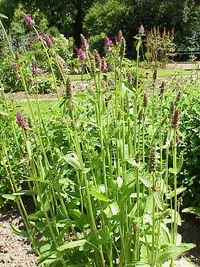
Low trellis training
Provide a low horizontal trellis or mesh 10–20 cm above the soil so stems can be guided and loosely tied with soft ties, which keeps the prostrate growth habit neat and improves air movement around foliage.

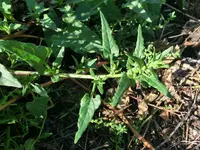
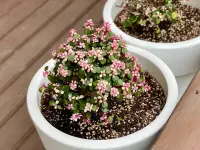
Patellifolia procumbens is a low, spreading perennial from coastal regions of Macaronesia and parts of southwestern Europe and North Africa. It often grows in rocky, saline habitats near the sea. The plant forms mats of small, fleshy, bright green leaves along prostrate stems, creating a ground-hugging habit that helps it tolerate wind and salt spray. Its growth is relatively fast under mild conditions, and it can self-seed where it is happy. This species is generally considered undemanding, provided it has good drainage and is not kept in deep shade. Understanding how to care for Patellifolia procumbens starts with providing sun, moderate watering, and lean, well-drained soil.

Care Difficulty
Moderate Care

Light Preference
Full Sun

Water Requirements
Moderate Water

Temperature Preference
Warm Climate

Hardiness Zone
Unknown

Soil Texture
Sandy, Loamy, Organic-rich

Soil pH
Slightly acidic (6.5–7.0), Neutral (7.0)

Soil Drainage
Well-drained

Fertilization
Minimal (feed rarely)
Scan your plant to receive care tips personalized for your specific plant
Available on iOS and Android
This low, scrambling species prefers bright conditions but tolerates some shade in warm climates.
Watering should keep the root zone lightly moist but never saturated.
This coastal species favors mild, frost‑free conditions for steady growth.
This species tolerates typical indoor humidity but grows best with slightly elevated moisture in the air.
This coastal species prefers light, very free-draining soil that does not stay wet for long.
This low, spreading species is well suited to container growing outdoors on patios or balconies.
This coastal wild relative of beet usually grows well in lean soils and needs only modest feeding in cultivation.
Pruning is mainly used to manage size and remove weak growth rather than as a routine requirement for this species.
This low, scrambling plant is most often grown in the ground, with transplanting focused on young specimens.
Propagation is practical from both seed and cuttings when managed under stable, mild conditions.
In mild coastal climates this species is fairly tolerant of cool weather but dislikes hard, prolonged frosts.

Plant Health Check
Not sure what's wrong with your plant? Check your plant's health inside the app.
This creeping species is a wild relative of cultivated beet crops and is classified in the same broad beet lineage, making it important for understanding beet evolution and genetics.
The plant naturally occurs in salty coastal habitats, showing notable tolerance to salinity that is useful for breeding more salt-tolerant beet varieties and informs practical Patellifolia procumbens care instructions.
Its populations hold genes for traits such as stress tolerance and disease resistance, so it is conserved and studied as a genetic resource in plant breeding and crop improvement programs.

Patellifolia procumbens has been involved in taxonomic debates and was only relatively recently separated from the traditional genus Beta, illustrating how modern molecular studies can reshape the classification of familiar crop relatives.
This species is related to beet and can be edible, especially young leaves and tender shoots, traditionally used as a leafy vegetable. Only harvest from clean, chemical-free sites and introduce it gradually if you have a sensitive stomach.
Keep your plants happy and healthy with plant identification, disease detection, and easy care guidance.