Alpine Cabbage Care (Brassica repanda)

Alpine Cabbage

About Alpine Cabbage

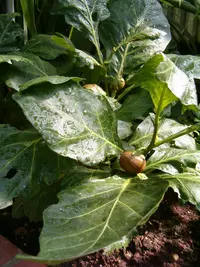
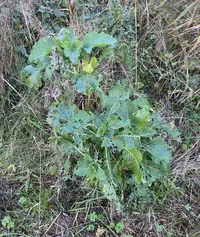
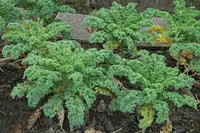
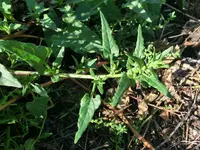
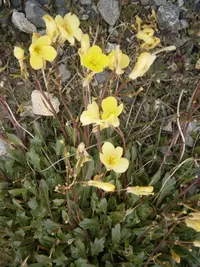
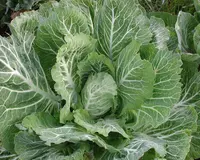
Alpine cabbage (Brassica repanda) is a compact, leafy perennial from rocky, high-altitude habitats in parts of Europe. It forms low rosettes of thick, often slightly bluish-green leaves. The plant typically grows in crevices and shallow, well-drained soils, where it tolerates cold, wind, and nutrient-poor conditions. Its small yellow flowers appear in clusters, typical of the cabbage family. This species is generally slow-growing and prefers cool temperatures, good drainage, and consistent but not excessive moisture. It can be somewhat challenging outside its natural climate, so success depends on recreating cool, bright, and well-drained conditions and understanding how to care for Alpine Cabbage.

Main Plant Requirements

Care Difficulty

Moderate Care

Light Preference

Full Sun

Water Requirements

Moderate Water

Temperature Preference

Cool Climate

Hardiness Zone

5–8

Soil Texture

Sandy, Loamy, Rocky

Soil pH

Acidic (5.5–6.5), Slightly acidic (6.5–7.0)

Soil Drainage

Well-drained

Fertilization

Minimal (feed rarely)

Get Personalized Care Plan

Scan your plant to receive care tips personalized for your specific plant

Available on iOS and Android

How to Care for the Alpine Cabbage

Brassica repanda prefers bright, cool conditions that mimic open mountain slopes with some daily shade.

  • Provide 4–6 hours of direct morning sun with light or dappled shade from early afternoon to prevent leaf scorch.
  • Plant in an open site that still gets at least 2–3 hours of direct light in autumn and winter to maintain compact, healthy growth.
  • Watch for pale, stretched leaves as a sign of too little light, and for crisping or bleached patches as a sign of excessive midday or afternoon sun.

This species prefers consistently moist but not waterlogged soil, similar to many alpine brassicas.

  • Water when the top 2–3 cm of soil feel dry, aiming for even moisture through the root zone rather than frequent light splashes.
  • Use sharply drained, gritty soil so water runs through freely; prolonged puddling or sour smells suggest poor drainage and risk of root rot.
  • In cool seasons reduce watering as growth slows, while in hot, windy weather monitor more often for drooping outer leaves and dry soil as cues to water.

This plant is a cool-season perennial adapted to mountain climates with moderate summers and cold, but not extreme, winters.

  • Optimal growth occurs around 50–68°F (10–20°C), with steady, cool conditions supporting compact rosettes and firm leaves.
  • Mature plants usually tolerate drops to about 14–23°F (-10 to -5°C) if soil drains well, but repeated freeze–thaw in soggy ground increases crown damage risk.
  • Heat above 77–82°F (25–28°C) can slow growth and cause stress; provide light shade and extra airflow in hot spells to reduce overheating and wilting.

This species handles a wide humidity range but grows best in moderately dry air.

  • Aim for 30–50% humidity, similar to most heated indoor homes, as Alpine Cabbage is naturally adapted to exposed, airy sites.
  • Dry indoor air rarely harms it, but combined with strong heat it can cause slightly rolled or dulling leaves.
  • If leaves wilt between waterings despite moist soil, increase airflow rather than misting, which can promote foliar disease.

Brassica repanda prefers mineral, well-aerated soil that drains quickly yet holds moderate moisture.

  • Use a gritty loam with 40–60% sand or fine grit plus 20–30% compost to balance drainage and nutrient retention.
  • Ensure very free drainage; water should infiltrate quickly and not pool on the surface or in the tray.
  • Target a slightly alkaline to neutral pH around 6.8–7.5, avoiding strongly acidic mixes that limit nutrient availability.
  • Avoid heavy clay, peat-heavy, or compacted substrates; lighten dense mixes with sharp sand and perlite to improve aeration.

This species can be grown in containers if the pot supports its deep, searching root system and fast drainage.

  • Choose a tall, relatively narrow pot that allows at least 25–30 cm root depth to reduce stress in warm weather.
  • Use a heavy or terracotta container so the plant stays stable in wind and excess moisture can evaporate through the walls.
  • Elevate the pot on feet or bricks so drainage holes stay clear and runoff leaves the container area quickly.

Brassica repanda is a nutrient‑demanding alpine brassica that responds well to modest, consistent feeding during active growth.

  • Use a balanced NPK fertilizer (such as 10‑10‑10) or well‑matured compost for Alpine Cabbage in spring and summer.
  • Apply fertilizer every 4–6 weeks during the growing season, focusing on moist but not waterlogged soil.
  • Dilute liquid feeds to 1/2 strength to avoid root burn and salt buildup in the substrate.
  • Stop or greatly reduce feeding in fall and winter when growth slows or plants are semi‑dormant.

Brassica repanda benefits from light, targeted pruning to maintain compact, healthy rosettes.

  • Time pruning for late winter or early spring before strong new growth begins.
  • Remove dead, yellowing, or damaged leaves at the base using clean, sharp scissors or snips.
  • Thin out crowded rosettes or overlapping leaves to improve airflow and reduce fungal disease risk.
  • Trim back leggy flowering stems after seed set to keep plants low, tidy, and focused on vegetative growth.

This species is more often transplanted in rock gardens or beds than kept long‑term in containers.

  • Transplant when plants show slow growth, dense root mass, or roots circling the plug or small pot.
  • Aim to move Brassica repanda in early spring or early fall during cool, stable weather.
  • Typically, 1–2 transplants over the plant’s life are enough, mainly when shifting from nursery cell trays to final positions.
  • Water thoroughly before lifting, handle the root ball gently, and replant at the same depth, then keep soil evenly moist until re‑established.

Brassica repanda is most commonly propagated by seed, with occasional division of mature clumps.

  • Sow fresh seed in late winter to early spring in trays with a free‑draining, fine seed compost.
  • Maintain cool to mild temperatures of about 55–65°F and consistent moisture for even germination.
  • Provide bright, indirect light and very shallow seed coverage, as small seeds need light exposure to germinate well.
  • Divide established clumps in early spring, keeping small root sections with several rosettes, and replant promptly into moist, well‑drained soil.

This alpine brassica is quite cold hardy and usually needs only minimal winter care in the ground.

  • Tolerates typical temperate frosts, though extreme freeze‑thaw cycles can stress shallow roots.
  • Apply a light, gritty mulch around the crown in late fall to buffer soil temperature and improve drainage.
  • Avoid heavy, water‑retentive mulches that hold moisture against the crown and promote rot in winter.
  • Container plants in very cold climates can be overwintered in a cold frame or unheated, bright shelter to reduce root freezing.

Care Tips

Rocky slope placement

Plant on a slight slope or raised bed with gritty soil so excess water drains quickly, which closely mimics its natural alpine scree habitat and reduces root rot risk.

Low-nitrogen feeding

Use a low-nitrogen, higher-potassium fertilizer formula at light doses to keep growth compact and sturdy, as high nitrogen encourages weak, lush foliage that is more frost- and pest-prone.

Wind exposure management

Site plants where they receive good air movement but are shielded from the very strongest prevailing winds, for example behind a low rock, to reduce desiccation while maintaining strong, stocky growth.

Alpine mulch strategy

Top-dress around the crown with a thin layer of angular gravel or small rock chips instead of organic mulch to keep the neck dry, limit slug damage, and maintain the cool, sharp drainage conditions needed for growing Alpine Cabbage.

Targeted slug control

Place rough copper tape or sharp grit barriers around clumps and set out beer traps or iron phosphate pellets early in the season, before foliage fully develops, to prevent serious slug and snail damage to young rosettes.

Common Pests and Diseases

Cabbage aphids

These insects form dense grey‑green colonies on young shoots and leaf undersides, sucking sap and causing leaf curling and distortion. This pest also excretes sticky honeydew that can attract sooty mold growth.

Solution

Cut off heavily infested shoot tips, then wash remaining colonies from foliage with a strong but controlled stream of water. For persistent infestations, apply insecticidal soap or a soft horticultural oil, making sure to cover the undersides of leaves and repeating every 5–7 days until numbers drop.

Flea beetles

These insects chew many small round holes in leaves, giving a shot‑holed or sieve‑like appearance and slowing growth, especially in young plants. This pest is most damaging in warm, dry conditions shortly after planting or sprouting.

Solution

Use floating row covers to exclude adults from young plants, and keep the area free of brassica weeds that harbor beetles. In outdoor beds, a thin surface layer of fine mulch and targeted applications of spinosad on leaves in the evening can reduce damage while protecting beneficial insects.

Clubroot

This disease causes swollen, distorted roots that limit water and nutrient uptake, leading to stunted, yellowing foliage and wilting in warm weather. Symptoms include poor growth even with adequate watering and nutrition.

Solution

Remove and discard affected plants with as much surrounding soil as possible, and avoid replanting brassicas in the same bed for at least 4–7 years. Improve drainage, raise beds where possible, and aim for a soil pH close to neutral (around 7.0) using garden lime, since the clubroot pathogen is less active in less acidic soils.

Downy mildew

This disease produces pale yellow patches on upper leaf surfaces with a grey‑white, downy growth underneath, leading to leaf blight in cool, damp conditions. Symptoms include premature yellowing and drop of older leaves.

Solution

Improve air circulation, avoid overhead watering, and water early in the day so leaves dry quickly. Remove and discard affected leaves, then apply a copper‑based fungicide or other labeled brassica fungicide preventively during extended cool, humid periods as part of broader Brassica repanda care instructions.

Interesting Facts

Endemic Iberian cabbage

This species is native to a limited area of the eastern Iberian Peninsula, mainly in mountainous regions of Spain, where it grows on rocky and often calcareous slopes.

Adapted to thin soils

It typically anchors itself in shallow, stony soils and rock crevices, showing strong adaptation to nutrient-poor, well-drained substrates with high mineral content.

Rosette and flowering habit

The plant forms a low basal rosette of bluish to gray-green leaves, then sends up more erect flowering stems with yellow cruciform flowers typical of the Brassicaceae family.

FAQs about Alpine Cabbage

This species forms low, slowly expanding clumps or mats, but it is not considered aggressive. It spreads modestly by short stems and self-seeding, usually staying where conditions mimic cool, rocky, alpine habitats.

Grow Healthy Plants with Botan Care

Keep your plants happy and healthy with plant identification, disease detection, and easy care guidance.

Botan plant care app — identify plants on mobile

Explore More Plants