Staggered Division
Divide clumps every 3–4 years in early spring, but split only a portion of the stand each year so flowering is never completely interrupted and plant vigor stays high.

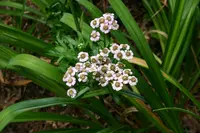
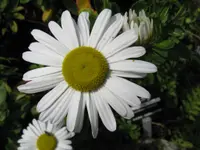
Siberian yarrow (Achillea alpina) is a hardy, herbaceous perennial grown mainly for its fine, fern-like foliage and flat clusters of small flowers. It typically forms low clumps with upright flowering stems, creating a soft, airy look in borders and wildflower-style plantings.
In nature, it occurs across northern Asia and parts of eastern Europe, often in meadows, open woodland edges, and mountain slopes. This background makes it well suited to cool or temperate gardens, where it tolerates wind, poor soils, and moderate drought.
It usually prefers full sun, well-drained soil, and only moderate moisture. These traits make it relatively straightforward to care for Siberian Yarrow in many garden settings.

Care Difficulty
Easy Care

Light Preference
Full Sun

Water Requirements
Low Water

Temperature Preference
Cold Hardy

Hardiness Zone
3–8

Soil Texture
Sandy, Loamy, Rocky

Soil pH
Slightly acidic (6.5–7.0), Neutral (7.0)

Soil Drainage
Well-drained

Fertilization
Minimal (feed rarely)
Scan your plant to receive care tips personalized for your specific plant
Available on iOS and Android
Achillea alpina thrives in bright conditions and performs best in full sun.
Achillea alpina prefers dry to moderately moist soil and is more tolerant of drought than excess water.
This species is cold-hardy and tolerates a wide range of outdoor temperatures when established.
Humidity is rarely a limiting factor for Achillea alpina, which thrives in dry air.
Achillea alpina prefers lean, well-structured mineral soils that never stay waterlogged.
This species adapts well to container growing outdoors when drainage is carefully managed.
Achillea alpina is adapted to low-nutrient soils and usually needs only light feeding for good flowering.
Pruning Achillea alpina supports compact growth, better airflow, and longer blooming.
This species is most often grown in garden beds, where occasional transplanting maintains healthy clumps.
Achillea alpina is commonly propagated by division, cuttings, or seeds to renew plantings and share stock.
Achillea alpina is generally cold hardy and needs minimal winter care in most temperate climates.

Plant Health Check
Not sure what's wrong with your plant? Check your plant's health inside the app.
This species naturally occurs across cold, high-latitude regions of northeastern Asia and into Alaska, showing strong adaptation to short growing seasons and low temperatures compared with many other yarrows.
The leaves of this plant often have a bluish-green to gray-green cast and are finely divided, a combination that helps reduce water loss and withstand wind exposure in open, subarctic habitats.
In the wild, it is frequently found in river gravels, alpine meadows, and open forest edges, indicating a preference for well-drained, often gravelly or sandy substrates with good air movement.

Molecular and morphological studies indicate that this species forms part of a northern Eurasian lineage within the Achillea genus, reflecting historical spread and diversification along cold-steppe and boreal corridors rather than in typical temperate grasslands.
This species spreads by short rhizomes and self-seeding, usually forming manageable clumps. In lean, well-drained soil it stays controlled. In richer soil, division and deadheading help limit spread when growing Siberian Yarrow near smaller plants.
Keep your plants happy and healthy with plant identification, disease detection, and easy care guidance.