Achillea falcata Care

Achillea falcata

About Achillea falcata

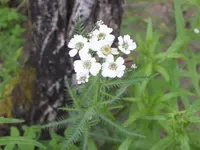
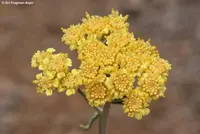
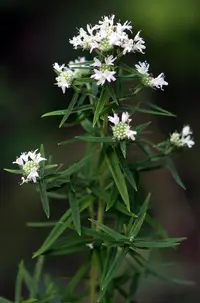
Achillea falcata is a compact, clump-forming perennial herb in the daisy family, valued for its fine, feathery foliage and flat-topped flower clusters. Plants typically form low mounds with upright, branched stems bearing many small, pale yellow to cream flower heads.

This species is native to dry, open habitats in parts of the eastern Mediterranean, where it experiences hot, sunny conditions and relatively poor, stony soils. Its drought tolerance and modest nutrient needs make it suitable for low-maintenance gardens, rock gardens, and naturalistic plantings, as long as drainage is good. Gardeners who want to care for Achillea falcata should provide strong light and avoid consistently wet conditions.

Main Plant Requirements

Care Difficulty

Easy Care

Light Preference

Full Sun

Water Requirements

Low Water

Temperature Preference

Cold Hardy

Hardiness Zone

4–8

Soil Texture

Sandy, Loamy, Rocky

Soil pH

Slightly acidic (6.5–7.0), Slightly alkaline (7.0–7.5)

Soil Drainage

Well-drained

Fertilization

Minimal (feed rarely)

Get Personalized Care Plan

Scan your plant to receive care tips personalized for your specific plant

Available on iOS and Android

How to Care for the Achillea falcata

This sun-loving perennial thrives in open, bright positions with strong light exposure.

  • Provide full sun for 6–8 hours daily; light afternoon shade is acceptable in very hot, dry regions to reduce scorch on foliage and flowers.
  • Site Achillea falcata in an unshaded bed, away from overhanging trees or tall plants that cast dense shade, or stems will stretch and flower production will drop.
  • Ensure winter and early-spring planting spots are not shaded by buildings so new growth receives increasing light as days lengthen.

This drought-tolerant plant prefers infrequent, deep watering rather than frequent, light applications.

  • Allow the top 5–8 cm of soil to dry before watering, then soak the root zone thoroughly so water penetrates 15–20 cm deep.
  • In spring and early summer, monitor new growth; leaves that droop and fail to perk up overnight indicate the need for a deep watering if soil is dry.
  • Use sharply drained soil or raised beds to prevent standing water, which causes yellowing foliage, soft stems, and root rot, especially in cool seasons.

This hardy perennial tolerates a wide range of outdoor temperatures once established.

  • Optimal growth occurs around 65–80°F (18–27°C), supporting strong stems and abundant flowering in open, sunny sites.
  • Mature plants typically survive down to about 0–5°F (-18 to -15°C) in well-drained soil, but new plantings benefit from mulch in winter to buffer freeze–thaw cycles.
  • In summer heat above 90°F (32°C), flowering can slow; light afternoon shade and consistent but not excessive soil moisture help reduce heat stress and leaf scorch.

This species tolerates a wide range of humidity and rarely needs special adjustment in typical indoor or outdoor conditions.

Achillea falcata prefers mineral, well-drained soil that mimics dry, open habitats.

  • Use sandy or gritty loam with low to moderate organic matter to prevent excess moisture retention.
  • Aim for a slightly alkaline to neutral pH around 7.0–8.0, avoiding very acidic mixes.
  • Blend coarse sand or fine gravel into garden soil to improve drainage and root aeration.
  • Avoid heavy, compacted, or waterlogged clay soils, which increase rot risk and reduce plant longevity.

This species can be grown in containers if drainage and dryness are carefully managed.

  • Choose a wide, shallow container that matches the plant’s spreading root system rather than a very deep pot.
  • Use a heavy or terracotta pot outdoors so the relatively airy top growth does not tip the container in strong winds.
  • Fill the pot with a gritty, low-organic mix so rain or irrigation drains rapidly and the root zone dries between waterings.

This drought-tolerant perennial needs only modest feeding in most garden soils.

  • Use a light top-dressing of compost or a balanced slow-release fertilizer (around 10-10-10) in early spring to support growing Achillea falcata.
  • Apply no more than half-strength liquid balanced fertilizer if soil is very poor, always onto moist soil to avoid root burn.
  • Avoid mid-summer overfeeding, which encourages floppy, lush growth and fewer flowers.
  • Stop fertilizing in late summer; do not feed during winter dormancy.

Thoughtful pruning keeps Achillea falcata compact, healthy, and flowering well.

  • Deadhead spent flower stems in summer using clean hand pruners to extend blooming and maintain a tidy mound.
  • In late fall or very early spring, cut back dead or weak stems to 5–10 cm above soil level.
  • Remove damaged, diseased, or badly crowded shoots during the growing season to improve airflow and reduce mildew risk.
  • Light shaping after the main bloom prevents the plant from becoming woody and encourages fresh basal growth.

This species is usually grown in garden beds, so transplanting is more common than container repotting.

  • Transplant in early spring or early fall when temperatures are mild and soil is workable.
  • Move plants if growth declines, clumps thin out, or stems flop due to overcrowding or poor site conditions.
  • Lift the clump with a spade, keep as much root ball as possible, and replant at the same depth in well-drained soil.
  • Water thoroughly after transplanting, then keep soil lightly moist for 1–2 weeks to limit transplant shock.

Achillea falcata is commonly propagated by division, cuttings, or seeds.

  • Divide mature clumps in early spring or early fall; replant divisions promptly into well-drained soil.
  • Take 5–8 cm softwood or semi-ripe stem cuttings in late spring to summer and root in a gritty, barely moist mix.
  • Sow fresh seed in trays in fall or early spring; provide light, consistent moisture, and good air circulation for germination.
  • Label selections, since seed-grown plants may vary slightly in height, vigor, and flower density.

This perennial is generally cold hardy in temperate climates and needs only modest winter attention.

  • After hard frost, allow stems to die back naturally or cut them down to a low stubble if tidy borders are preferred.
  • Apply a thin mulch layer (2–5 cm) around, not over, the crown in colder regions to stabilize soil temperature.
  • Ensure soil drains well over winter; prolonged waterlogging around the roots increases rot risk, especially in heavy clay.

Care Tips

Cut-and-come harvesting

Regularly cut flowering stems for bouquets as soon as most florets open; this both prolongs the overall bloom period and keeps the plant compact and productive when growing Achillea falcata.

Summer shear-back

After the first heavy flush of flowers fades, shear the whole clump back by about one-third and remove spent stems to trigger a cleaner second flush and reduce self-seeding.

Targeted clump division

Every 3–4 years, lift and divide only the most crowded or woody center sections in early spring, replanting vigorous outer pieces to maintain strong flowering and prevent die-out in the middle of the clump.

Preventing flop in wind

In windy or exposed sites, plant in small drifts and allow neighboring perennials or low, discreet ring supports to brace the stems rather than staking individual shoots, which helps preserve a natural look while reducing lodging.

Seed head management

If natural reseeding is not desired, remove most seed heads as they dry but leave a small number on the sturdiest stems for winter structure and wildlife value, then cut them back before new growth starts in spring.

Common Pests and Diseases

Powdery mildew

This disease causes a white, powdery coating on leaves and stems, especially in dense or humid plantings. Symptoms include distorted new growth and reduced flowering if the infection is heavy.

Solution

Remove and discard heavily affected stems to reduce spore levels, then improve air circulation by thinning crowded clumps and avoiding overhead watering. If needed, apply a sulfur or potassium bicarbonate fungicide labeled for ornamentals, treating early at the first signs of infection and keeping foliage as dry as possible.

Botrytis blight

This disease produces brown, water-soaked spots on flower heads and leaves that develop fuzzy gray mold in cool, damp weather. Symptoms include flower browning and collapse, especially on older or damaged stems.

Solution

Cut off and destroy all affected flower heads and foliage, and avoid wetting the blooms when irrigating. Space plants to increase airflow, clear away plant debris, and in persistent cases use a fungicide labeled for Botrytis on ornamentals applied during prolonged cool, wet periods.

Aphids

These insects cluster on soft stems and flower buds, sucking sap and excreting sticky honeydew that can lead to sooty mold. Symptoms include curled or stunted new growth and deformed flower heads.

Solution

Spray colonies off with a strong stream of water and pinch back heavily infested shoot tips. If needed, use insecticidal soap or a light horticultural oil, coating the undersides of leaves and repeating at 5–7 day intervals until populations drop, which is one of the most practical methods for caring for Achillea falcata.

Spittlebugs

These insects hide in frothy white masses on stems and leaf nodes while feeding on plant sap. Symptoms include minor leaf distortion and cosmetic damage, though plants usually remain vigorous.

Solution

Hand-remove or wash off the foamy masses with a firm stream of water during dry weather, repeating as needed. Maintain healthy, not overly lush, growth to make the plant less attractive, and use contact insecticidal soap only if high numbers cause visible stress to the plant.

Leaf spot complex

This disease group causes small brown or purple spots on leaves that may merge into larger blotches, often appearing in long, wet periods. Symptoms include premature yellowing and leaf drop on lower foliage, while upper parts may remain healthy.

Solution

Remove and discard spotted lower leaves and any fallen debris around the base, then irrigate at soil level instead of wetting the foliage. Improve drainage and spacing, and in recurrent cases consider a broad-spectrum ornamental fungicide applied at the start of wet weather to protect new growth.

Interesting Facts

Levantine dry-steppe specialist

This species is naturally restricted to the Eastern Mediterranean, especially dry steppe and rocky slopes in countries such as Syria, Lebanon, and Israel, where it is adapted to hot, arid summers with minimal rainfall.

Distinctive sickle-shaped leaves

Its epithet falcata refers to the narrow, curved, sickle-like leaf segments, which distinguish it from broader-leaved relatives in the genus and reduce surface area exposed to intense sun and wind.

Summer-blooming pollinator resource

The flat-topped clusters of small yellow flower heads appear in late spring to summer and provide nectar and pollen for a range of Mediterranean bees, flies, and small beetles during dry periods when other floral resources are scarce.

FAQs about Achillea falcata

Lack of blooms usually comes from too much shade, overly rich or wet soil, or plants that are still immature. Ensure full sun, well-drained, lean soil, and avoid high-nitrogen fertilizer. Deadhead spent flowers to encourage continued flowering.

Grow Healthy Plants with Botan Care

Keep your plants happy and healthy with plant identification, disease detection, and easy care guidance.

Botan plant care app — identify plants on mobile

Explore More Plants