Adam and Eve Care (Aplectrum hyemale)

Also known as: putty-root orchid, putty root
Adam and Eve

About Adam and Eve

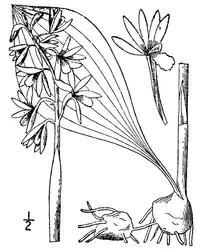
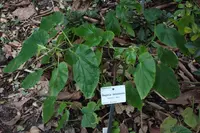
Adam and Eve, Aplectrum hyemale, is a hardy terrestrial orchid native to woodlands in eastern North America. It grows from small underground corms and forms a single, broad, dark green leaf with distinct pale veining in fall and winter.

In late spring, the leaf withers and a slender stalk carries small, pale, purple-tinged flowers. The plant spreads slowly in cool, shaded forest conditions and prefers humus-rich, consistently moist but well-drained soil.

Its natural adaptation to deciduous forests makes it moderately challenging in cultivation, especially in warmer or very dry climates. Gardeners who understand how to care for Adam and Eve usually succeed by mimicking a cool, shaded woodland floor.

Main Plant Requirements

Care Difficulty

Hard Care

Light Preference

Shade

Water Requirements

Moderate Water

Temperature Preference

Cold Hardy

Hardiness Zone

3–8

Soil Texture

Loamy, Silty, Organic-rich

Soil pH

Acidic (5.5–6.5), Slightly acidic (6.5–7.0)

Soil Drainage

Moist but well-drained

Fertilization

Minimal (feed rarely)

Get Personalized Care Plan

Scan your plant to receive care tips personalized for your specific plant

Available on iOS and Android

How to Care for the Adam and Eve

This woodland orchid prefers low to moderate light that mimics a deciduous forest floor.

  • Provide bright, filtered light or light dappled shade, with 1–3 hours of soft morning sun and no direct mid-day or afternoon sun.
  • Plant Adam and Eve under deciduous trees where winter sun reaches the leaves, but summer canopy shade protects from scorch and leaf bleaching.
  • Avoid deep, dense shade that limits flowering; aim for light levels where you can comfortably read but not cast a sharp shadow.

This species prefers consistently moist, but not saturated, woodland soil.

  • During active growth, water when the top 2–3 cm of soil feels just barely dry, keeping the root zone evenly damp but never soggy.
  • Ensure soil is rich in organic matter and drains freely; standing water around the corms increases risk of rot and foul odor.
  • Reduce watering sharply after leaves yellow and die back, giving only light moisture in dry spells to prevent the underground corms of Aplectrum hyemale from shriveling.

This hardy woodland orchid is adapted to cool to cold winters and mild summers.

  • Active growth and leaf display occur best in cool conditions around 40–60°F (4–16°C), typical of late fall to early spring in many temperate climates.
  • Dormant corms tolerate winter lows to about -20°F (-29°C) when mulched, though repeated freeze–thaw without snow cover can damage shallow roots.
  • Summer heat up to 80–85°F (27–29°C) is usually tolerated if soil stays cool and shaded; prolonged hotter, dry conditions can stress plants and reduce vigor.

This woodland orchid prefers moderate humidity but usually copes with typical home levels.

  • Aim for 40–60% humidity, similar to a shaded forest understory where Adam and Eve naturally grows.
  • Leaves that wrinkle, curl, or develop dry tips indicate humidity is too low for sustained vigor.
  • Increase humidity by grouping plants, placing the pot on a pebble tray with water below the pot base, or using a small humidifier nearby.

This species prefers loose, humus-rich, woodland-style soil that stays evenly moist yet drains freely.

  • Use a mix of fine bark, leaf mold or compost, and a small amount of loam to mimic decomposing forest litter.
  • Ensure fast drainage by adding perlite or pumice so water moves through quickly but the mix still holds slight moisture.
  • Keep pH slightly acidic to neutral, around 6.0–7.0, avoiding strongly alkaline substrates that can limit nutrient uptake.
  • Avoid heavy clay, compacted, or waterlogged soils, which reduce aeration around the tubers and invite rot.

This orchid can be grown in containers if the pot mimics a cool, moist woodland floor.

  • Choose a relatively deep pot to provide space for the underground tubers to sit comfortably below the surface.
  • Select a breathable clay or unglazed pot to help excess moisture evaporate after watering in the dormant season.
  • Stabilize the container in a sheltered, shaded spot outdoors to keep the tender foliage from wind damage while in leaf.

This native orchid, often called Adam and Eve, needs minimal fertilization and grows well in humus-rich woodland soil.

  • Skip routine feeding in the ground; rely on naturally decomposing leaf litter as organic nutrition.
  • For container plants, apply a balanced liquid fertilizer at 1/4 strength once in late spring after flowering.
  • Avoid fertilizing during summer dormancy and winter when the plant is not actively growing.

Aplectrum hyemale needs almost no pruning beyond basic cleanup to maintain plant health.

  • In late spring, snip off spent flower stalks at the base with clean, sharp scissors.
  • Remove only dead or badly damaged leaves; leave healthy foliage to photosynthesize and fuel the corms.
  • Do not cut green growth heavily, as this can weaken the plant and reduce future flowering.

This woodland orchid is usually grown in the ground, with transplanting done sparingly to avoid root disturbance.

  • Transplant only when clumps become crowded or flowering declines rather than on a schedule.
  • Move plants in late summer to early fall, after leaves fade but before soil freezes.
  • Lift carefully, keeping the fleshy corms and surrounding soil intact to reduce stress.
  • Replant at the same depth in loose, humus-rich, well-drained soil, then water gently.

Propagation of Aplectrum hyemale is possible but slow and usually done by cautious division rather than seed.

  • Divide mature clumps in late summer or early fall when foliage has yellowed or died back.
  • Lift the clump gently and separate corm pairs by hand, keeping roots and attached soil intact.
  • Replant divisions at original depth in moist, humus-rich, shaded sites, spacing 10–15 cm apart.
  • Keep soil evenly moist but not waterlogged until new roots establish.

This species is cold hardy in much of its native range and usually needs only light winter care.

  • Tolerates freezing temperatures when planted in the ground in USDA zones where it is native.
  • Apply a loose 3–5 cm layer of leaf mulch over the root zone after the ground cools.
  • For container-grown plants, sink pots into the ground or move them to an unheated, frost-free shelter.

Care Tips

Mark Dormant Sites

Flag or discreetly label the spot where the orchid’s corms are growing before foliage disappears in late spring so you avoid digging, planting, or stepping on them during the plant’s long summer–fall dormancy.

Leaf-Litter Mulching

Maintain a thin, loose layer of deciduous leaf litter over the colony year-round to mimic woodland conditions, protect shallow corms, and buffer moisture without smothering emerging shoots.

Gentle Woodland Weeding

Hand-weed only by lightly teasing out competing roots around the clump rather than pulling aggressively, which can disturb the shallow root system and reduce next year’s flowering.

Minimal Disturbance Division

If division is necessary, lift corms only in late summer–early fall while dormant, replant them at the same depth, and keep the original soil around each cluster to reduce transplant shock.

Slug And Snail Patrol

Inspect emerging leaves in late winter–early spring and hand-remove slugs and snails or use iron phosphate bait around, not on, the planting area to prevent early-season foliage damage when growing Adam and Eve.

Common Pests and Diseases

Slugs and snails

This pest is attracted to the moist, shaded woodland conditions where the plant grows and feeds on the single leaf and emerging flower stalk. Symptoms include irregular holes, shredded leaf edges, and slime trails on or near the plant.

Solution

Hand-pick slugs and snails at dusk or early morning, use low-profile slug traps or iron phosphate baits placed away from the orchid crown, and keep heavy leaf litter slightly thinned around clumps while still maintaining shade and moisture to balance protection with habitat reduction.

Leaf spot fungi

This disease can occur in cool, damp woodland settings and causes small brown or purple spots that may merge to form larger blotches on the winter leaf. Symptoms include premature yellowing and early collapse of the leaf before normal spring dormancy.

Solution

Remove and discard heavily spotted leaves at season’s end, keep decaying plant debris thinly layered around the plant, and, if the problem recurs yearly, apply a light copper-based fungicide to the surrounding leaf litter in late fall before new leaves expand, avoiding direct overspray on flowers or nearby sensitive plants.

Rhizoctonia root and corm rot

This disease is associated with soil fungi that disrupt the orchid’s mycorrhizal partnership and attack underground corms. Symptoms include failure of new leaves to emerge, sudden collapse of foliage, and soft or discolored corms when dug up.

Solution

Improve drainage slightly by loosening the topsoil and reducing constant saturation, remove and discard obviously rotted corms and adjacent soil, and replant only firm, healthy corms in a nearby location with similar shade but better aerated, undisturbed leaf mold, avoiding high-nitrogen fertilizers that stress the symbiotic fungi.

Mealybugs

These insects occasionally hide in leaf bases or on the flowering stalk and feed on plant sap. Symptoms include small cottony white clusters, sticky honeydew, and localized yellowing or distortion at feeding sites.

Solution

Wipe visible insects off with cotton swabs dipped in 70% isopropyl alcohol, rinse the leaf gently with lukewarm water, and if the population persists, apply a light horticultural soap spray on accessible above-ground parts during mild weather, repeating every 7–10 days until no new mealybugs appear.

Slender orchid thrips

These insects can damage flowers and young tissues, especially in sheltered or garden collections that include other orchids. Symptoms include silvery streaks, tiny dark specks, and deformed or discolored flowers that fail quickly.

Solution

Remove and discard damaged flower spikes, reduce dense surrounding vegetation that shelters thrips, and use targeted horticultural oil or insecticidal soap sprays on neighboring host plants during calm, cool periods, taking care not to coat the orchid’s flowers heavily to avoid cosmetic spotting.

Interesting Facts

Winter-green leaf cycle

This orchid produces its single pleated leaf in late autumn, keeps it photosynthesizing through winter, and then the leaf withers shortly after flowering in late spring, opposite of most woodland plants.

Corm-based clonal patches

It spreads slowly by underground corms linked like beads on a string, often forming loose colonies that may all be genetically identical.

Specialized bee pollination

The pale, subtly fragrant flowers are adapted for early-season native bees, which transfer its pollinia, a compact mass of pollen typical of orchids.

Botan icon

Did you know?

Indigenous peoples in eastern North America historically used the distinctive, bead-like string of underground corms as a seasonal indicator, recognizing that the aboveground parts appear and disappear at different times than most forest herbs.

FAQs about Adam and Eve

This woodland orchid usually flowers in late spring to early summer, often May–June, depending on local climate. Flowers emerge on a leafless spike after the winter leaf has faded, then seed capsules may remain visible through summer.

Grow Healthy Plants with Botan Care

Keep your plants happy and healthy with plant identification, disease detection, and easy care guidance.

Botan plant care app — identify plants on mobile

Explore More Plants