turk's-cap lily Care (Lilium superbum)

Also known as: American Tiger Lily, Turban Lily, Swamp Lily, Lily Royal
turk's-cap lily

About turk's-cap lily

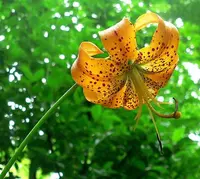
Turk's-cap lily, Lilium superbum, is a hardy, summer-blooming bulbous perennial native to eastern North America. It typically grows tall, with whorled leaves and nodding flowers. The distinctive blooms have strongly recurved petals, creating the characteristic “turk’s-cap” shape in orange to reddish tones with dark spotting. Plants form clumps over time and suit naturalistic borders, meadows, and woodland edges. This species favors moist, well-drained, slightly acidic soils and benefits from sun on the upper growth with cooler, shaded roots. Once established, it is moderately easy to care for turk's-cap lily, provided soil does not dry out completely or stay waterlogged.

Main Plant Requirements

Care Difficulty

Moderate Care

Light Preference

Full Sun

Water Requirements

Regular Water

Temperature Preference

Cold Hardy

Hardiness Zone

3–8

Soil Texture

Loamy, Silty, Organic-rich

Soil pH

Acidic (5.5–6.5), Slightly acidic (6.5–7.0)

Soil Drainage

Moist but well-drained

Fertilization

Minimal (feed rarely)

Get Personalized Care Plan

Scan your plant to receive care tips personalized for your specific plant

Available on iOS and Android

How to Care for the turk's-cap lily

This North American lily grows best in bright conditions that mimic open, moist meadows and woodland edges.

  • Provide 6–8 hours of light daily, ideally with morning sun and light afternoon shade, to support strong stems and abundant blooms in turk's-cap lily.
  • Site plants where they receive filtered light or high, open shade during the hottest afternoon hours to prevent leaf scorch and faded flowers.
  • In cooler climates, full sun is tolerated, while in hotter regions a bit more partial shade (especially in summer) reduces stress and wilting.

This species prefers evenly moist, never soggy soil, especially during active spring and summer growth.

  • Water when the top 3–5 cm of soil feels dry, aiming for consistent moisture around the bulbs during shoot and flower development for Lilium superbum.
  • Use deep, thorough watering so moisture reaches 15–20 cm down, then allow the surface to dry slightly; ensure soil drains well to avoid standing water and bulb rot.
  • Reduce watering frequency after flowering and in fall as foliage dies back; watch for drooping, dry leaves from underwatering or yellowing, limp foliage from overwatering.

This hardy lily handles a wide temperature range but grows best in mild, temperate conditions.

  • Active growth is strongest at 65–80°F (18–27°C), with cool nights supporting sturdy stems and reliable flowering.
  • Dormant bulbs tolerate winter cold down to about -20°F (-29°C) in the ground, provided soil drains well and does not stay waterlogged.
  • Plants endure short heat waves up to about 90°F (32°C) if soil stays moist; extended extremes, hard late frosts on new shoots, or hot, dry winds can damage foliage and buds.

Lilium superbum handles typical outdoor humidity but benefits from slightly moist air in hot, dry regions.

  • Target 40–60% humidity, which usually matches outdoor conditions in much of its native range.
  • Dry, hot air can cause browning leaf tips and faster flower fade, especially in exposed sites.
  • Increase humidity around turk's-cap lily by mulching the soil and grouping plants to reduce moisture loss near foliage.

Lilium superbum needs deep, moist, well-aerated soil that drains freely yet does not dry out quickly.

  • Use a loose, loamy mix with high organic matter, combining garden loam with compost and leaf mold for structure and moisture retention.
  • Ensure sharp drainage by incorporating coarse sand or fine bark so water moves past the bulbs without pooling.
  • Aim for slightly acidic to neutral pH around 6.0–7.0, avoiding strongly alkaline conditions that can limit nutrient uptake.
  • Improve aeration by avoiding compaction, gently cultivating the top 5–8 cm, and never planting bulbs in heavy, waterlogged clay.

This species can be grown in containers if the pot is deep, stable, and drains efficiently.

  • Choose a tall, heavy container that resists tipping as stems grow tall and flower clusters develop weight.
  • Select a potting mix that drains quickly but retains some moisture, such as peat or coir-based mix amended with bark and coarse perlite.
  • Position containers where wind exposure is reduced so tall stems are less likely to rock the root ball and stress the bulbs.

This native lily benefits from modest feeding to support strong stems and abundant blooms.

  • Apply a balanced slow-release fertilizer (around 10-10-10) or well-rotted compost in early spring as new shoots emerge.
  • Supplement with a dilute balanced liquid feed at 1/2 strength every 4–6 weeks through mid-summer if growth appears weak.
  • Stop feeding turk's-cap lily by late summer so bulbs harden off and prepare for dormancy.
  • Avoid high-nitrogen lawn fertilizers near the planting area to prevent soft, floppy growth and reduced flowering.

Pruning Lilium superbum focuses on removing spent and damaged growth while preserving bulb strength.

  • Deadhead fading flowers in summer by cutting just below the spent bloom, leaving most of the stem and leaves intact.
  • Wait until stems and foliage yellow and die back naturally in late fall, then cut them to ground level with clean pruners.
  • Remove any diseased, broken, or badly spotted leaves as noticed during the season to improve airflow and reduce fungal issues.
  • Avoid cutting green stems early, since this foliage is needed to feed the bulb and support next year’s flowering.

This species is usually grown in garden beds, with transplanting done infrequently to avoid disturbing the bulbs.

  • Plan to divide or move clumps every 4–5 years if flowering declines, stems crowd, or bulbs seem congested.
  • Transplant in late fall after foliage has died back, or very early spring before new shoots appear.
  • Dig a wide, deep hole to lift bulbs with most roots and surrounding soil, minimizing breakage and drying.
  • Replant bulbs at the same depth in well-drained soil, water thoroughly, and mulch lightly to limit temperature and moisture stress.

Lilium superbum is commonly propagated by bulb division and sometimes from seed for larger colonies.

  • Divide mature clumps in late fall, separating firm, healthy bulbs and replanting them immediately at their original depth.
  • Collect ripe seeds from pods in late summer, then sow in trays with moist, well-drained medium for cool, bright stratification.
  • Keep seed trays at 60–70°F with consistent light moisture; germination can be slow and flowering may take several years.
  • Allow small offset bulbs formed around the main bulb to grow a season or two, then lift and transplant to new spots.

This hardy native lily tolerates typical freezing winters in much of the US with minimal intervention once established.

  • After foliage dies back, cut stems to ground level and remove debris to reduce overwintering pests and diseases.
  • Apply a 5–8 cm layer of mulch over the root zone in late fall, especially in colder zones or exposed sites.
  • In very cold climates or containers, move pots into an unheated garage or cold frame to shield bulbs from extreme freeze–thaw cycles.

Care Tips

Sturdy stem support

Install discreet stakes or a low plant ring early in the season, before stems reach full height, so tall flowering stalks remain upright in wind and rain without snapping at the base.

Mulch for cool roots

Apply a 5–8 cm layer of shredded bark or leaf mold around, but not touching, the stems to keep the root zone cool, suppress weeds, and stabilize soil moisture during summer heat.

Protect emerging shoots

Mark the planting area and place short mesh cloches or temporary fencing in early spring to shield tender new shoots from rabbits, deer, and accidental foot traffic until stems toughen.

Deadhead, leave stems

Remove spent flowers promptly so energy goes to bulb growth instead of seed production, but keep green stems and leaves intact until they yellow naturally to recharge the bulb.

Divide aging clumps

Every 4–6 years, lift and divide crowded bulbs in late fall after foliage dies back, replanting the largest, healthiest bulbs at the original depth to maintain vigorous flowering when growing turk's-cap lily.

Common Pests and Diseases

Lily leaf beetle

This pest feeds on leaves, buds, and flowers, leaving irregular holes and sometimes stripping plants. Symptoms include bright red adult beetles and dark, slimy larval clusters on foliage.

Solution

Hand-pick adults and larvae regularly and drop them into soapy water, especially in spring as shoots emerge. For heavier infestations, use a neem oil or spinosad-based spray, coating both leaf surfaces, and repeat every 7–10 days while beetles are active.

Aphids

These insects cluster on young stems, buds, and the underside of leaves, sucking sap and causing distortion and sticky honeydew. Symptoms include curled new growth and sometimes sooty mold growing on the honeydew deposits.

Solution

Spray plants thoroughly with a strong stream of water to dislodge colonies, repeating every few days as needed. If populations persist, apply insecticidal soap or horticultural oil in the early morning or evening, covering all plant surfaces and avoiding use in full sun to prevent leaf scorch.

Botrytis blight

This disease causes brown to gray spotting on leaves and petals, often starting at the tips and spreading in cool, wet conditions. Symptoms include fuzzy gray mold on affected tissue and a general collapse of heavily infected shoots.

Solution

Remove and discard spotted leaves and spent flowers promptly, and avoid overhead watering to keep foliage as dry as possible. Improve air circulation around plants, space clumps properly, and, in areas with a history of botrytis, apply a labeled fungicide preventively during extended wet or cool periods as part of broader Lilium superbum care instructions.

Basal rot

This disease attacks the bulb base, leading to yellowing foliage, stunted growth, and eventual collapse of the stem. Symptoms include soft, discolored bulb tissue and a foul odor when bulbs are dug up.

Solution

Dig up and discard severely affected bulbs and any surrounding rotted material, and avoid replanting lilies in the same exact spot for several years. Plant only firm, healthy bulbs in well-drained soil, and maintain moderate, not excessive, moisture to reduce stress and susceptibility.

Virus mosaic

This disease causes mottled, streaked, or distorted leaves and can reduce vigor and flower quality over time. Symptoms include irregular light and dark green patterns and sometimes twisted or narrowed foliage.

Solution

Remove and destroy any plant showing consistent mosaic patterns, and control sap-sucking insects such as aphids that spread viruses between lilies. Always use clean tools, disinfect blades between plants with alcohol or a 10% bleach solution, and avoid propagating from suspect bulbs or scales.

Interesting Facts

Specialist butterfly host

This species is a key larval host for the rare Harris’ checkerspot and several swallowtail butterfly species, which depend on its foliage for part of their life cycle in native wetland habitats.

Distinctive turk’s-cap form

Its flowers have strongly reflexed petals that curl back so far they almost touch the stem, creating the classic turk’s-cap shape that exposes the reproductive parts to pollinators such as large butterflies and hummingbirds.

Wetland-loving lily

Unlike many garden lilies, this species naturally occurs in moist meadows, wet woods, and stream margins in eastern North America and often tolerates seasonal flooding in the wild.

Botan icon

Did you know?

Lilium superbum is one of the tallest native North American lilies and in ideal wild conditions can tower above surrounding vegetation, producing layered whorls of leaves and numerous pendant orange flowers on a single stem.

FAQs about turk's-cap lily

Lack of blooms often comes from bulbs planted too shallow, insufficient maturity, or stress from recent division. Deep shade, nutrient-poor soil, or heavy bud damage from lily beetles or deer also reduces or prevents flowering.

Grow Healthy Plants with Botan Care

Keep your plants happy and healthy with plant identification, disease detection, and easy care guidance.

Botan plant care app — identify plants on mobile

Explore More Plants