Begonia rex-cultorum Care

Begonia rex-cultorum

About Begonia rex-cultorum

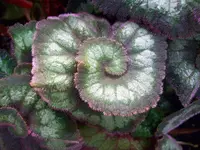
Begonia rex-cultorum is a rhizomatous perennial grown mainly as a foliage houseplant. It is valued for its large, patterned leaves in metallic shades of silver, purple, green, and red. Growth is usually low and spreading, forming a compact clump rather than a tall plant.

These begonias trace back to species from humid, shaded forests in India and Southeast Asia, so they dislike harsh sun and dry air. Their showy foliage comes with moderate demands, so learning how to care for Begonia rex-cultorum helps prevent leaf scorch, wilting, and browning edges.

They prefer bright, indirect light, evenly moist but not soggy soil, and a loose, well-drained potting mix that allows the rhizomes to breathe.

Main Plant Requirements

Care Difficulty

Moderate Care

Light Preference

Bright Indirect Light

Water Requirements

Moderate Water

Temperature Preference

Tropical / Frost Sensitive

Hardiness Zone

10–11

Soil Texture

Loamy, Peaty, Organic-rich

Soil pH

Acidic (5.5–6.5)

Soil Drainage

Moist but well-drained

Fertilization

Light (every 4–6 weeks)

Get Personalized Care Plan

Scan your plant to receive care tips personalized for your specific plant

Available on iOS and Android

How to Care for the Begonia rex-cultorum

This shade-loving foliage plant thrives in bright but gentle light conditions.

  • Provide bright, indirect light for 6–8 hours daily, such as near an east- or north-facing window or in dappled shade outdoors.
  • Tolerate only soft early-morning sun; protect Begonia rex-cultorum from harsh midday or afternoon sun that causes leaf scorch and fading.
  • In winter, move plants closer to bright windows or use sheer curtains to boost light while still filtering direct rays and preventing leaf stress.

This plant prefers evenly moist but never saturated soil.

  • Water when the top 2–3 cm of soil feels dry, using enough water so it drains through while avoiding standing water around roots.
  • Ensure a loose, fast-draining mix; a compact, soggy substrate increases risk of root rot, mushy stems, and yellowing leaves in Begonia rex-cultorum.
  • Reduce watering in winter when growth slows, watching for drooping, crisp edges from underwatering or limp, translucent leaves from excess moisture.

This species grows best in stable, warm conditions without sudden temperature swings.

  • Aim for 65–75°F (18–24°C) for steady growth; short dips are tolerated, but avoid prolonged exposure outside this range.
  • Protect from cold; growth declines below about 60°F (16°C), and damage or death can occur near 45°F (7°C) or during any frost.
  • In hot spells above 80–85°F (27–29°C), increase shade and airflow, and avoid placing plants near heaters, cold drafts, or air-conditioning vents.

This plant prefers moderately high, stable humidity to maintain healthy foliage.

  • Aim for 50–60% humidity; it tolerates brief dips near 40% but prolonged dry air leads to leaf-edge crisping.
  • Watch for curling, browning margins, and slowed growth as common signs of humidity stress.
  • Increase humidity with a nearby humidifier, grouping plants, or a pebble tray, but avoid misting leaves to reduce fungal risk.

This species needs a loose, airy, organic-rich mix that drains quickly yet retains light, even moisture.

  • Use a peat- or coco-based mix with added perlite and fine bark to create a fibrous, moisture-retentive but fast-draining structure.
  • Target slightly acidic pH around 5.5–6.5, which supports nutrient uptake and reduces the risk of micronutrient deficiencies in Begonia rex-cultorum.
  • Improve aeration by ensuring at least 30–40% of the mix is chunky components like perlite, pumice, or orchid bark, not just fine peat.
  • Avoid dense garden soil, heavy clay, or mixes that stay wet for more than 2–3 days, as these promote root rot and stem base decay.

This species is well-suited to container culture due to its compact, shallow root system.

  • Choose a broad, shallow pot to accommodate lateral root spread and leaf canopy without forcing excess unused depth that stays wet.
  • Select a stable, heavier container if foliage becomes top-heavy, which helps prevent tipping when the potting mix is lightly moist.
  • Use containers with drainage holes and elevate the pot slightly on risers so excess water clears quickly from the base rather than pooling.

This plant benefits from light, consistent feeding during active growth to support foliage color and vigor.

  • Use a balanced liquid fertilizer (such as 10-10-10 or 20-20-20) diluted to 1/4–1/2 strength every 3–4 weeks in spring and summer.
  • Apply only to moist soil to reduce root burn, never onto dry potting mix.
  • Pause feeding or reduce to once in 8–10 weeks in fall and winter as growth slows.
  • Organic options like dilute compost tea can be used at similar low strength for Begonia rex-cultorum.

Pruning mainly maintains shape and encourages compact, leafy growth rather than influencing flowering.

  • Best time is late winter or early spring, just before new growth begins.
  • Use clean, sharp scissors or small pruning shears to remove dead, damaged, or yellowing leaves at the base.
  • Thin out crowded stems to increase airflow and reduce risk of fungal problems.
  • Pinch back long, leggy stems above a node to encourage bushier growth and more even foliage.

This plant prefers slightly snug pots, so repotting focuses on relieving root congestion and refreshing soil.

  • Check for roots circling the pot, growing from drainage holes, or unexplained slow growth as signs it needs attention.
  • Plan to repot every 1–2 years in spring using a shallow container 2–3 cm wider, with a light, well-drained mix.
  • Lift the plant gently, loosen circling roots with fingers, and trim only broken roots to limit stress.
  • Set the crown at the same depth, fill with fresh mix, water thoroughly, then keep in bright, indirect light for 1–2 weeks.

Propagation is most successful from leaf cuttings or division taken during the active growing season.

  • Best time is spring to early summer when new growth is strong and days are longer.
  • For division, separate healthy clumps with at least 1–2 growth points and pot each into fresh, airy mix.
  • For leaf cuttings, insert sections of healthy leaves with main veins into moist, sterile medium.
  • Maintain high humidity, gentle bottom warmth if possible, and bright, indirect light until new plantlets develop.

This tender plant is not frost tolerant and should be treated as a warm indoor plant in cold climates.

  • Move containers indoors before temperatures drop below 55°F and avoid any exposure to frost.
  • Keep in bright, indirect light away from drafts, heaters, and cold window glass.
  • Water less often in winter, letting the top 2–3 cm of mix dry to prevent root rot.
  • Mulching is not usually relevant, as Begonia rex-cultorum is typically grown indoors in containers.

Care Tips

Rotate for symmetry

Turn the pot 1/4 turn every 1–2 weeks so the leaves develop evenly and the plant does not lean or stretch toward the light on one side only.

Use shallow containers

Plant rhizomes in wide, shallow pots and set them just at or slightly above the soil surface to reduce rot risk and encourage a dense, low growth habit.

Refresh top layer

Every 3–4 months, gently scrape away the top 1–2 cm of exhausted mix and replace it with fresh, airy substrate to improve root-zone aeration without disturbing the whole plant.

Proactive mite checks

Inspect leaf undersides and tight folds weekly with a magnifier and isolate the plant immediately if you see fine webbing or stippling, since early spider mite control is critical in Begonia rex-cultorum care instructions.

Cool-season rest

In fall and winter, allow slightly drier intervals and avoid repotting or heavy feeding so the plant can pass through its natural semi-resting phase with less stress and fewer losses of older leaves.

Common Pests and Diseases

Powdery mildew

This disease appears as white to gray, powder-like patches on leaves, often starting on older foliage and shaded areas. Symptoms include distorted, dull, and eventually yellowing leaves that may drop early.

Solution

Improve air circulation around the plant, avoid splashing water on leaves, and keep foliage dry, especially at night. Remove heavily affected leaves and treat remaining foliage with a sulfur-based or potassium bicarbonate fungicide labeled for ornamentals, applied according to label directions.

Botrytis blight

This disease causes soft, water-soaked spots on leaves that quickly develop a fuzzy gray mold, especially in cool, humid, stagnant air. Symptoms include collapsing leaves and petioles, and sometimes a gray mold on the soil surface or fallen debris.

Solution

Promptly remove and discard all infected leaves and spent flowers, and keep the soil surface free of dead plant material. Increase air movement, reduce humidity around the plant, and if needed use a fungicide labeled for Botrytis on ornamentals while adjusting watering to keep the soil slightly moist but never soggy.

Bacterial leaf spot

This disease produces small, translucent, water-soaked spots that turn brown or black and may have a yellow halo, often starting on lower or crowded leaves. Symptoms include irregular holes where damaged tissue falls out and a general decline in leaf quality.

Solution

Remove and discard infected leaves, avoid overhead watering, and prevent water from standing on foliage for long periods. Improve spacing and airflow, sterilize tools and pots before reuse, and if disease pressure is high consider using a copper-based bactericide labeled for ornamentals, applied sparingly to avoid leaf burn.

Mealybugs

These insects appear as white, cottony clusters in leaf axils, on stems, and sometimes on roots, and they excrete sticky honeydew that can lead to sooty mold. This pest causes leaf yellowing, curling, and stunted growth.

Solution

Isolate the plant, then dab visible insects with cotton swabs dipped in 70% isopropyl alcohol and repeat weekly until no new clusters appear. For heavier infestations, rinse foliage gently with lukewarm water, then apply an insecticidal soap or horticultural oil, ensuring good coverage of leaf undersides and crevices while avoiding direct sun until leaves are dry.

Western flower thrips

These insects are tiny, slender pests that scrape the leaf surface, causing silvery streaks, speckling, and distorted new leaves, often most visible on colorful leaf zones. Symptoms include black specks of frass and reduced vigor or muted leaf coloration, which complicates Begonia rex-cultorum care instructions for many growers.

Solution

Isolate affected plants, remove the most damaged leaves, and gently rinse foliage to dislodge insects. Use blue or yellow sticky traps near the plant to monitor and reduce adults, and apply insecticidal soap or a labeled spinosad product in repeated treatments, ensuring thorough coverage of both leaf surfaces and surrounding areas.

Interesting Facts

Hybrid, not wild

Begonia rex-cultorum does not occur as a single wild species; it is a complex group of ornamental hybrids derived mainly from Begonia rex and related rhizomatous species selected for extreme leaf patterning.

Color without pigment

The metallic silver and iridescent tones in many rex-cultorum leaves are produced by microscopic leaf-surface structures that reflect and scatter light, rather than by colored pigments alone.

Engineered for foliage

Modern rex-cultorum cultivars have been bred to put most of their energy into leaves, so their flowers are usually small and relatively plain compared with their highly ornamented foliage.

Botan icon

Did you know?

Some rex-cultorum cultivars show strong leaf pattern changes depending on light intensity and temperature, with the same plant producing much more vivid contrast in cool, bright conditions than in warm, low light.

FAQs about Begonia rex-cultorum

Brown, crispy margins usually result from low humidity, fertilizer salt buildup, or cold drafts. Flush the potting mix occasionally, avoid direct blasts from heaters or air conditioners, and increase local humidity with a pebble tray or nearby humidifier.

Grow Healthy Plants with Botan Care

Keep your plants happy and healthy with plant identification, disease detection, and easy care guidance.

Botan plant care app — identify plants on mobile

Explore More Plants