Purple Toadflax Care (Linaria purpurea)

Also known as: Purple Linaria, Linaria purpurea pink form.
Purple Toadflax

About Purple Toadflax

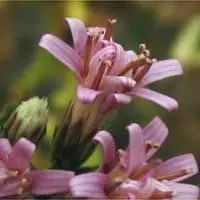
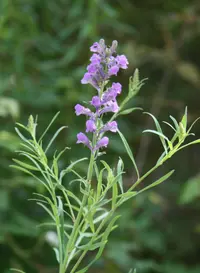
Purple toadflax, Linaria purpurea, is a slender, short-lived perennial often grown as a cottage garden plant. It forms upright stems lined with narrow, gray-green leaves. Tall, airy spikes of small, purple, snapdragon-like flowers appear over a long season and attract bees and other pollinators. Plants often self-seed, creating natural, informal drifts. Native to southern Europe, it has adapted well to many temperate regions and can behave like a hardy wildflower. It generally prefers sunny, well-drained sites and tolerates poorer soils, which keeps maintenance low. Gardeners who learn how to care for Purple Toadflax usually find it easy to establish and manage.

Main Plant Requirements

Care Difficulty

Easy Care

Light Preference

Full Sun

Water Requirements

Low Water

Temperature Preference

Cold Hardy

Hardiness Zone

5–9

Soil Texture

Sandy, Loamy, Rocky

Soil pH

Slightly acidic (6.5–7.0), Neutral (7.0)

Soil Drainage

Well-drained

Fertilization

Minimal (feed rarely)

Get Personalized Care Plan

Scan your plant to receive care tips personalized for your specific plant

Available on iOS and Android

How to Care for the Purple Toadflax

This sun-loving perennial performs best in open, bright garden sites.

  • Provide 6–8 hours of direct sun daily; morning sun with some light afternoon shade suits most climates, especially hotter regions.
  • It tolerates light or patchy shade (around 3–4 hours direct sun) but flowering of Purple Toadflax becomes sparser and stems may stretch or lean.
  • In very hot inland summers, protect from harsh afternoon sun with neighboring plants or structures to reduce scorch and moisture stress.

This species prefers slightly dry, free-draining conditions rather than constant moisture.

  • Allow the top 3–5 cm of soil to dry between waterings; in open ground, this often means waiting until the soil feels dry and loose rather than cool and damp.
  • Increase watering slightly during hot, windy periods when foliage wilts by midday but recovers by evening, a sign of temporary drought stress in Linaria purpurea.
  • Avoid soggy soil and standing water, which cause yellowing leaves and root rot; amend heavy clay with grit or compost to improve drainage.

This hardy perennial copes with a wide range of outdoor temperatures in temperate climates.

  • Optimal growth and flowering occur around 60–75°F (16–24°C), typical of late spring and early summer in many regions.
  • Mature plants tolerate winter cold down to about 5–10°F (-15 to -12°C) in well-drained soil, especially with snow cover or a light mulch layer.
  • In hot spells above 90°F (32°C), flowering may slow; provide extra water and some afternoon shade to reduce heat stress and prolong bloom.

This species is largely indifferent to humidity and thrives in typical outdoor air conditions.

This short-lived perennial prefers lean, well-drained soil that does not stay wet after rain.

  • Use sandy or gravelly loam with low to moderate organic matter to mimic the dry habitats Linaria purpurea occupies naturally.
  • Ensure very sharp drainage by blending 40–50% coarse sand or grit into garden soil before planting.
  • Aim for slightly alkaline to neutral pH, roughly 6.8–7.5, avoiding highly acidic beds that reduce vigor.
  • Avoid heavy clay or compacted areas; if unavoidable, raise the planting area and amend with grit to improve aeration and runoff.

This plant is suitable for containers if the potting setup stays fast-draining and relatively dry between waterings.

  • Choose a tall, narrow pot to give the deep taproot room while limiting excess lateral soil that can stay wet.
  • Use a gritty mix, such as 50% standard potting mix with 50% coarse sand or fine gravel, to prevent waterlogging.
  • Select a heavier container material or add top dressing gravel to reduce tipping as the slender flowering stems elongate.

This lean perennial thrives in average garden soil, so Purple Toadflax typically needs only light feeding in poor ground.

  • Use a balanced, all-purpose fertilizer (for example 10-10-10) or a thin layer of compost for nutrient-poor soils.
  • Apply fertilizer at half strength once in early spring and, if needed, once more in mid-summer during active growth.
  • Avoid feeding in late fall or winter, when growth slows and nutrients are not efficiently used.
  • Do not overapply nitrogen, as overly rich soil can cause lanky growth and fewer flowers.

Pruning Linaria purpurea is useful to maintain compact growth and extend flowering.

  • Cut back spent flower spikes in midsummer to encourage additional blooms and reduce self-seeding.
  • In late fall or very early spring, remove dead, damaged, or weak stems at the base with clean, sharp snips.
  • Lightly shorten tall, floppy stems to improve shape and reduce lodging in windy sites.
  • Dispose of diseased stems in the trash rather than composting to limit spread of pathogens.

This upright perennial is more often transplanted in garden beds than kept long term in containers.

  • Plan transplanting for early spring or early fall, when temperatures are mild and soil moisture is steady.
  • Move plants when growth slows, flowering declines, or roots circle the pot and emerge from drainage holes.
  • Lift with a generous soil ball, disturb roots as little as possible, and replant at the same depth in well-drained soil.
  • Water thoroughly after transplanting, then keep evenly moist for 1–2 weeks to limit transplant shock and support root reestablishment.

Linaria purpurea is commonly propagated from seed and can self-sow under suitable conditions.

  • Sow fresh seeds in late summer or fall outdoors so natural winter chilling breaks dormancy.
  • For spring sowing, cold-stratify seeds in moist medium at 35–40°F for 4–6 weeks, then provide light and 60–70°F for germination.
  • Press seeds onto the surface of a free-draining mix, as light exposure helps trigger sprouting.
  • Thin or transplant seedlings carefully once they have 2–3 true leaves, avoiding root damage.

This hardy perennial generally needs minimal winter care in most temperate climates.

  • Established plants usually tolerate normal garden frosts without additional protection.
  • Apply a light mulch layer around the root zone in late fall in colder regions to moderate soil temperature swings.
  • In very exposed or windy sites, cut stems back to 5–10 cm after they die back to reduce winter damage and tidy the clump.

Care Tips

Self-seeding management

Mark a few strong plants and allow only those to set seed, deadheading the rest so you keep an airy drift without overcrowding the bed in future seasons.

Support in windy sites

In exposed gardens, insert low, discreet twigs or small hoops around young clumps so the tall, slender stems stay upright without needing bulky stakes later.

Staggered cutting schedule

Cut some flower spikes for vases while leaving others to bloom, then rotate which clumps are cut so the plant keeps producing fresh stems over a longer period.

Companion spacing strategy

Plant it among low, bushy perennials or grasses that act as living supports and also shade the base, which helps keep roots cooler and reduces stress in hot spells.

Targeted renewal thinning

Every 2–3 years, remove older, woody plants at ground level after flowering and let volunteer seedlings or new transplants replace them to maintain a fresh, floriferous stand when growing Purple Toadflax.

Common Pests and Diseases

Aphids

These insects cluster on tender stems and flower spikes, sucking sap and causing distortion, sticky honeydew, and sooty mold growth. Symptoms include curling new growth and a general decline in vigor during warm, soft-growth periods.

Solution

Spray colonies off with a strong stream of water, then treat remaining insects with insecticidal soap or a light horticultural oil, repeating weekly until populations drop. Encourage natural predators like lady beetles by avoiding broad-spectrum chemicals and keeping nearby vegetation diverse.

Powdery mildew

This disease shows as white or gray powdery patches on leaves and stems, often in crowded plantings with poor airflow. Symptoms include yellowing foliage, reduced flowering, and premature leaf drop later in the season.

Solution

Improve air circulation by thinning surrounding plants and avoid overhead watering, especially late in the day. Remove and discard heavily infected leaves and, if needed, apply a sulfur or potassium bicarbonate fungicide labeled for ornamentals at the first sign of infection.

Downy mildew

This disease produces yellow or pale blotches on upper leaf surfaces with grayish or purplish fuzz on the undersides in cool, moist weather. Symptoms include stunted plants, distorted leaves, and patchy dieback in dense stands.

Solution

Space plants to dry quickly after rain, water at soil level, and avoid prolonged leaf wetness. Remove and destroy affected foliage and plant debris, and rotate planting areas if it recurs, as the pathogen can persist in soil and crop residues.

Rust

This disease causes small orange to brown pustules on the undersides of leaves and stems, often leading to yellowing and early leaf drop. Symptoms include scattered spots that can coalesce, weakening plants and reducing flowering.

Solution

Promptly remove and discard affected leaves to reduce spore spread and keep the planting area free of fallen debris. If rust becomes persistent, use a labeled ornamental fungicide and improve spacing and air movement to reduce humidity around foliage.

Spider mites

These pests are tiny sap feeders that thrive in hot, dry conditions, causing stippled, dull leaves and fine webbing on stems and flower spikes. Symptoms include a dusty appearance and gradual yellowing or bronzing of foliage, especially on stressed plants.

Solution

Increase humidity around the plants with regular hosing, rinsing leaf undersides to dislodge mites, and remove heavily damaged stems. For heavier infestations, apply insecticidal soap or a light horticultural oil, ensuring thorough coverage of leaf undersides and repeating every 5–7 days until controlled.

Interesting Facts

Specialist bumblebee visitor

In its native Mediterranean range, this species is frequently visited by long-tongued bumblebees that can reach nectar deep in the narrow flowers, making it an important nectar source in dry, open habitats during summer.

Prolific self-seeder

Once established, it sheds large numbers of tiny seeds that readily germinate in cracks, gravel, and poor soils, which explains how it can naturalize and persist in disturbed urban and rural sites.

Mediterranean limestone specialist

The species is naturally associated with dry, calcareous (lime-rich) slopes and rocky ground in Italy and surrounding regions, which is why it tolerates alkaline, low-fertility soils better than many ornamentals, and this underpins many practical Linaria purpurea care instructions.

Botan icon

Did you know?

Botanists have documented that this species can form persistent naturalized populations far beyond its native Mediterranean range, including parts of northern Europe and coastal regions of the British Isles, where it behaves as an archaeophyte-like garden escape thriving in walls, ruins, and old village plantings.

FAQs about Purple Toadflax

This species self-seeds readily and can form scattered drifts if seedheads are left. It is usually manageable rather than truly aggressive. Deadheading before seed set and pulling unwanted seedlings controls spread in most gardens.

Grow Healthy Plants with Botan Care

Keep your plants happy and healthy with plant identification, disease detection, and easy care guidance.

Botan plant care app — identify plants on mobile

Explore More Plants