Rocky topdressing
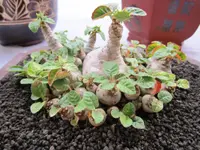
Apply a 1–2 cm layer of coarse granite or pumice gravel around the rosette to keep leaves off wet soil, reduce crown rot risk, and mimic the plant’s natural rocky habitat.

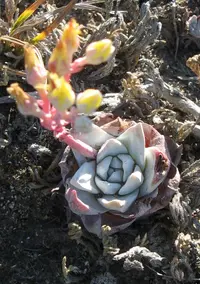
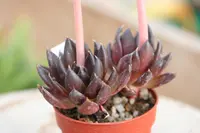
Munchkin liveforever (Dudleya gnoma) is a small, slow-growing succulent native to coastal bluffs of Santa Rosa Island in California. It forms tight, low rosettes with chunky, pale leaves that often look slightly powdery from a natural waxy coating.
This species stays compact, making it attractive for rock gardens and container collections. Its native habitat is dry, rocky, and exposed, so it dislikes excess water and poorly drained soils.
Because it is adapted to bright, coastal sun and lean soil, it can be challenging outside similar conditions. Understanding how to care for munchkin liveforever starts with providing strong light, very sharp drainage, and careful, infrequent watering.

Care Difficulty
Hard Care

Light Preference
Full Sun

Water Requirements
Low Water

Temperature Preference
Warm Climate

Hardiness Zone
9–11

Soil Texture
Sandy, Rocky

Soil pH
Slightly acidic (6.5–7.0), Neutral (7.0)

Soil Drainage
Well-drained

Fertilization
Minimal (feed rarely)
Scan your plant to receive care tips personalized for your specific plant
Available on iOS and Android
This compact coastal succulent prefers bright, cool conditions that protect its waxy leaves from harsh extremes.
This species is highly drought-adapted and is more often harmed by excess water than by short dry periods.
This coastal succulent prefers mild, dry conditions and reacts poorly to both hard frost and extreme heat combined with moisture.
This coastal succulent prefers very dry air and usually does not need humidity adjustment indoors.
This species needs a very lean, rocky substrate that dries quickly after watering.
This species is suitable for container growing when drainage is maximized and the substrate is very mineral.
Dudleya gnoma grows naturally in nutrient-poor soils, so fertilizing is rarely necessary and should be very light if done at all.
Pruning needs for Dudleya gnoma are minimal and mainly focus on hygiene rather than reshaping the plant.
Container-grown plants and small clusters benefit from occasional transplanting, but Dudleya gnoma prefers minimal root disturbance.
Propagation of Dudleya gnoma is possible but should be approached carefully due to its sensitivity and conservation concerns.
This species prefers mild, dry winters and is not suited to very cold, wet climates without protection.

Plant Health Check
Not sure what's wrong with your plant? Check your plant's health inside the app.
This species is naturally confined to a very small area on Santa Rosa Island off the coast of California, making its native range one of the most geographically restricted among North American succulent plants.
The plant shows an extreme dwarf rosette form that botanists link to island dwarfism, an evolutionary pattern where isolated island populations evolve smaller body size compared to mainland relatives.
In the wild it grows on steep, exposed volcanic or sandstone outcrops where soil is minimal, relying on tight rosettes and a waxy leaf coating to reduce water loss and withstand intense coastal sun and wind.

Dudleya gnoma is listed as a threatened species under the U.S. Endangered Species Act, and illegal wild collection for the succulent trade has been serious enough that authorities have carried out multi‑year enforcement operations specifically targeting poaching of this single species on Santa Rosa Island.
This species usually flowers in late spring to summer, only when mature and well-established. Lack of blooms often relates to stress from repotting, heavy summer watering, or heat combined with poor airflow, which diverts energy from flower production.
Keep your plants happy and healthy with plant identification, disease detection, and easy care guidance.