Protect Native Bloom
In habitat or outdoor plantings, avoid deadheading the flower stalks until seeds have ripened and dispersed, as this helps maintain genetic diversity and supports pollinators that rely on the blooms.

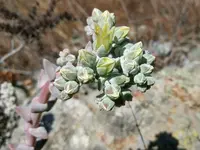
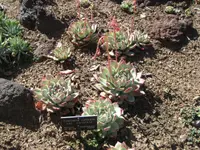
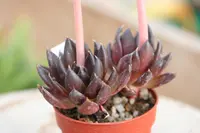
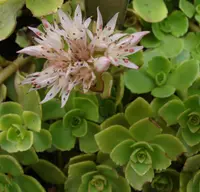
Greene's liveforever (Dudleya greenei) is a small, rosette-forming succulent native to rocky coastal cliffs and islands of California. It stores water in thick, powdery leaves that often appear pale green to bluish.
Plants usually grow in tight clumps, with leaves radiating from a central point and slender flower stalks rising above the rosette in season. Its slow growth and sensitivity to overwatering make it more challenging than common house succulents.
Those who want to care for Greene's liveforever should know it prefers bright light, very sharp drainage, and careful, infrequent watering that mimics its dry, exposed natural habitat.

Care Difficulty
Hard Care

Light Preference
Full Sun

Water Requirements
Low Water

Temperature Preference
Warm Climate

Hardiness Zone
9–11

Soil Texture
Sandy, Rocky

Soil pH
Slightly acidic (6.5–7.0), Neutral (7.0)

Soil Drainage
Well-drained

Fertilization
Minimal (feed rarely)
Scan your plant to receive care tips personalized for your specific plant
Available on iOS and Android
This coastal succulent prefers bright, direct sun with some protection from harsh afternoon exposure.
This species is highly drought-adapted and needs very infrequent, careful watering.
This species prefers mild, maritime conditions and is sensitive to hard frost and extreme heat.
This coastal succulent prefers quite dry air and does not need elevated humidity.
This species needs very sharply drained, mineral-based soil that mimics a rocky coastal slope.
This plant is suitable for container growing if drainage and exposure closely match its native rocky habitat.
This coastal succulent is adapted to low-nutrient conditions, so Greene's liveforever needs minimal fertilization in containers only.
Dudleya greenei requires only light, hygienic pruning to keep rosettes healthy and reduce rot risk.
This species resents disturbance, so repot or transplant Dudleya greenei only when clearly necessary.
Propagation of Dudleya greenei is possible but should be done thoughtfully due to its conservation importance.
This coastal succulent prefers mild, cool-wet winters and does not tolerate hard freezes.

Plant Health Check
Not sure what's wrong with your plant? Check your plant's health inside the app.
This species is naturally restricted to rocky coastal bluffs and sea cliffs of the California Channel Islands, where it grows in thin soils exposed to strong wind and salt spray.
The leaves are covered in a powdery, glaucous coating of epicuticular wax that helps reduce water loss and protect tissues from intense coastal sun and salt-laden air.
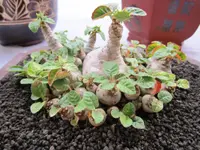
Over time, this plant forms dense clumps of many rosettes from a branching caudex (woody stem base), which helps stabilize it on steep, eroding slopes and rock faces.

Dudleya greenei is considered vulnerable to illegal wild collection, and conservation guidelines strongly advise that enthusiasts grow Dudleya greenei from nursery-propagated plants rather than removing specimens from the wild.
This species often delays flowering until well established and slightly crowded. In cultivation, blooms may fail if plants experience heavy summer watering, excess shade, or frequent disturbance. Outdoor, coastal-like conditions usually give more reliable flowering than indoor setups.
Keep your plants happy and healthy with plant identification, disease detection, and easy care guidance.