Early-season rejuvenation
In late winter or very early spring, shear back old, woody stems to 5–8 cm above the crown to encourage dense new growth and more uniform flowering when growing scarlet globemallow.

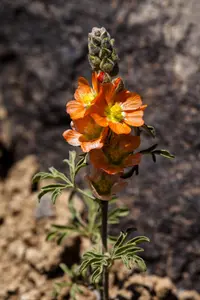
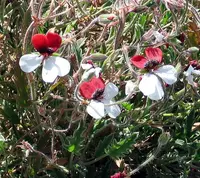
Scarlet globemallow (Sphaeralcea coccinea) is a low, clumping perennial wildflower from dry prairies and open ranges of western and central North America. It belongs to the mallow family and is adapted to harsh, arid conditions.
Plants form spreading mats of gray-green, hairy leaves with upright stems topped by small, bright orange to red cup-shaped flowers in spring and summer. The fine hairs and tough leaves reduce water loss and make the plant highly drought tolerant.
This species thrives in full sun, poor or rocky soil, and low to moderate moisture, which makes it well suited to xeriscapes and low-input gardens. These traits make it relatively easy to care for scarlet globemallow in dry, sunny sites.

Care Difficulty
Easy Care

Light Preference
Full Sun

Water Requirements
Low Water

Temperature Preference
Cold Hardy

Hardiness Zone
3–9

Soil Texture
Sandy, Loamy, Rocky

Soil pH
Slightly acidic (6.5–7.0), Slightly alkaline (7.0–7.5)

Soil Drainage
Well-drained

Fertilization
Minimal (feed rarely)
Scan your plant to receive care tips personalized for your specific plant
Available on iOS and Android
This drought-adapted perennial needs strong light to flower well in most outdoor settings.
This species is highly drought tolerant and prefers infrequent, deep watering rather than frequent light drinks.
This plant is adapted to continental climates with hot summers and cold winters.
This dryland perennial thrives in low humidity and does not need extra moisture in the air.
This species prefers lean, mineral, and fast-draining soil that mimics dry prairie or desert edges.
This drought-adapted subshrub can grow in containers if given a dry, stable, well-drained setup.
This drought-adapted native needs very little feeding, but light nutrition can support flowering in scarlet globemallow in lean soils.
Pruning Sphaeralcea coccinea is minimal and aims to keep plants tidy and flowering well.
This deep-rooted perennial is usually grown in the ground, so focus on careful transplanting rather than frequent repotting.
Sphaeralcea coccinea is most commonly propagated from seed, with some potential for division in established clumps.
This species is cold hardy across much of its native range and usually needs little special winter care once established.

Plant Health Check
Not sure what's wrong with your plant? Check your plant's health inside the app.
This species is strongly adapted to dry, sandy, or gravelly soils of the Great Plains and Intermountain West, forming deep roots and a low, spreading form that resists wind and drought.
Its bright orange to scarlet flowers provide important nectar and pollen for native solitary bees, small wasps, and butterflies early in the growing season when other floral resources can be scarce.
The plant often persists and can even increase in lightly to moderately grazed rangelands because its low, tufted growth habit and tough stems make it less palatable than surrounding grasses and forbs.

This species is a larval host for the common checkered-skipper butterfly (Pyrgus communis), whose caterpillars feed on its foliage and use the plant as shelter while developing.
Yes, this species is very attractive to native bees and small butterflies, which visit the orange flowers for nectar and pollen. It can support local pollinator populations when planted in groups and allowed to bloom freely.
Keep your plants happy and healthy with plant identification, disease detection, and easy care guidance.